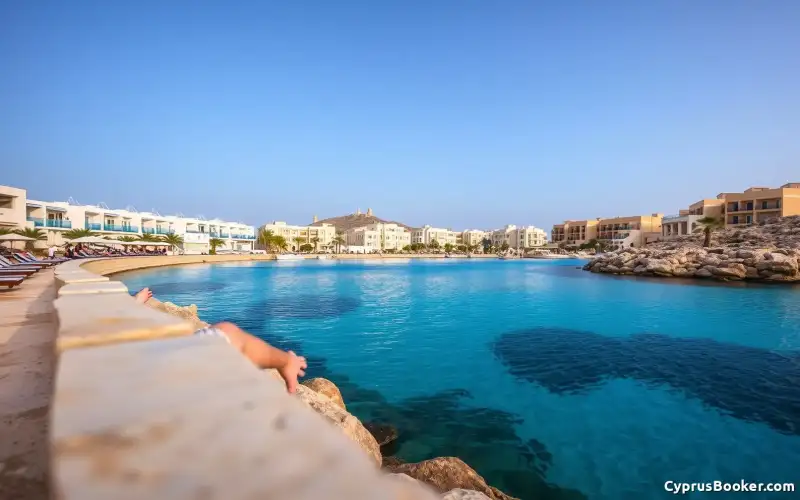
Last summer, I watched a family of four spend forty minutes driving in circles looking for parking near Konnos Bay, only to give up and head to the crowded Nissi Beach instead. They had no idea the Blue Lagoon was just a twenty-minute walk away. That's the thing about these two spots—they're close enough to combine into one brilliant day, but far enough apart that most people don't realise it.
If you're planning a beach day in Ayia Napa in 2026, Konnos Bay and the Blue Lagoon are genuinely the two most photographed swimming spots around here. The water is clearer, the rocks are more dramatic, and you'll actually see fish if you snorkel. But getting to both without wasting half your day on logistics? That's where most visitors stumble.
The Problem: Two Beaches, One Day, Zero Plan
Here's what usually happens. You book a hire car, Google "best beaches near Ayia Napa," find Konnos Bay, spend two hours in the water, then suddenly remember you've heard about the Blue Lagoon and panic. You're tired, the kids are hungry, and suddenly your "beach day" turns into a stressful scramble.
The real issue is that Konnos Bay and the Blue Lagoon aren't actually next to each other—they're part of the same coastal stretch at Cape Greco, separated by a rocky headland and about two kilometres of coastline. You can't just wander from one to the other without either backtracking to your car or tackling a proper coastal hike. And parking? In July and August, the car parks fill up by 10 a.m., leaving people scrambling for spots on the verge or abandoning the idea altogether.
Then there's the snorkelling question. Both spots have rocks, fish, and clear water, but the best spots are completely different. Konnos has brilliant rocks on the left side near the entrance. The Blue Lagoon's sweet spot? Far right, near the little beach bar. If you don't know this, you'll waste time swimming around hoping to stumble upon something interesting.
Why This Matters: Making the Most of Your Beach Day
A beach day in Cyprus isn't just about swimming. It's about the whole experience—the light, the food, the pace. If you're stressed about parking or lost about where to go next, you lose that magic. You end up eating an overpriced souvlaki from a tourist trap instead of finding the proper local taverna. You skip the snorkelling because you're not sure where to go. You leave early because you're frustrated.
For families especially, having a proper plan changes everything. My kids know they get one beach day a week during summer holidays, and they want it to be perfect. That means knowing exactly where we're going, where we can park, where the best swimming spots are, and where we can grab decent food without spending thirty quid on three portions of chips.
The clever bit is that combining these two beaches actually works logistically. They're close enough that you're not driving for hours, but different enough that you get real variety. Konnos Bay is more sheltered and family-friendly, with a proper sandy beach and shallow water near the shore. The Blue Lagoon is more dramatic—steeper, rockier, better for snorkelling, and quieter because fewer people know how to get there.
If you get the timing right, you can do both comfortably in a day. Arrive early at Konnos (8:30 a.m. or earlier), spend two to three hours there, grab lunch nearby, then head to the Blue Lagoon for the afternoon. You'll avoid the midday heat and the worst of the crowds.
Getting to Konnos Bay: The Driving Route
From central Ayia Napa, Konnos Bay is about four kilometres away. Head towards Ayia Napa Square and follow signs for Cape Greco or Konnos Beach. The main road is straightforward—you're basically following the coast road south and east out of town. The drive takes about ten minutes from the main strip, depending on traffic.
If you've got GPS, search "Konnos Beach Ayia Napa" and you're sorted. There are two car parks—the main one near the beach entrance, and an overflow car park slightly further back. In high season, arrive before 9 a.m. if you want a guaranteed spot. If the main car park is full, the overflow is usually available and it's only a five-minute walk to the beach.
Parking costs about two euros per hour, or around eight to ten euros for the whole day. It's official and your car won't get towed. The alternative—parking on the verge or in nearby residential streets—might be tempting, but I've seen cars ticketed regularly. The local police aren't shy about it.
Once you're parked, the walk to the beach is easy and well-marked. You'll pass a couple of beach bars and a small taverna before you reach the sand. The beach itself is about 150 metres of golden sand backed by low cliffs and pine trees. It's genuinely beautiful and much less crowded than Nissi, even in peak summer.
Konnos Bay: Where to Swim and Snorkel
The beach is roughly U-shaped, with the best snorkelling on the left side near the entrance, where rocks jut out into the water. Put a mask on and you'll see small fish immediately—nothing huge, but enough to make snorkelling worthwhile. The water is about two metres deep in that area, so it's safe for confident young swimmers.
The right side of the beach is shallower and sandier, perfect for families with little ones or people who just want to float around. There's a gentle slope, so you can wade out quite far before it gets deep. The water temperature in summer (July and August) is about 27–28°C, so it's warm enough that you won't need a wetsuit.
Bring your own snorkel gear if you have it—there are no rental places right on the beach. A basic mask and snorkel set costs about fifteen to twenty euros from a supermarket in town, and you'll use it at both beaches.
One thing to note: the beach has no lifeguard, so keep an eye on kids. The rocks on the left side can be sharp, so wear water shoes if you're snorkelling. I learned this the hard way after cutting my foot on a sea urchin spine a couple of years ago. Not fun.
Lunch Between the Two Beaches
After two or three hours at Konnos, you'll be hungry. Right at the car park entrance, there's a taverna called Konnos Bay Restaurant (or similar—names change). It's not fancy, but the food is decent and the prices are reasonable. A souvlaki costs about five to six euros, a Greek salad about four euros, and a beer about two euros. Proper local food, not tourist trap stuff.
If you want something slightly nicer, drive back towards town for about five minutes and you'll find a few more tavernas along the coast road. They're a bit pricier but still reasonable by Cyprus standards. A main course with salad and bread will cost you eight to twelve euros.
Alternatively, bring a picnic. Carrefour, Lidl, and local shops in town have bread, cheese, salami, olives, and drinks for a fraction of what you'd pay at a beach bar. I always do this—pack it in a cool bag with ice, and you've got lunch sorted for under ten euros for a family of four.
Getting to the Blue Lagoon: Two Routes
From Konnos Bay, you have two options. The first is by car. Drive back out of the car park, turn right, and follow the coast road towards Cape Greco. You'll pass a couple of small beaches and rocky coves. Keep going until you see signs for "Blue Lagoon" or "Cape Greco National Forest Park." There's a car park specifically for the Blue Lagoon, and it's usually less crowded than Konnos because fewer people know about it. The drive is about ten to fifteen minutes from Konnos.
Parking costs about two euros per hour, same as Konnos. The walk from the car park to the beach is about ten minutes, downhill through a small pine forest. It's pleasant and shaded, which is lovely in the heat.
The second option is to walk. If you're fit and don't mind a rocky coastal path, you can walk from Konnos to the Blue Lagoon in about forty-five minutes to an hour. The route follows the coast, so you get views the whole way. It's not a marked trail, so you need to pay attention and wear proper shoes (not flip-flops). There are a few scrambles over rocks, and one section where you have to navigate around a small headland. I've done it with my older two kids, but not with my youngest.
The Blue Lagoon: What to Expect
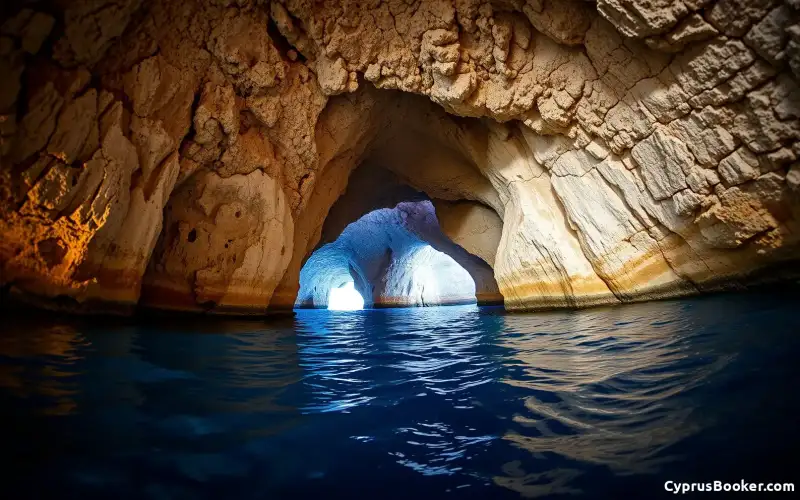
The Blue Lagoon is smaller than Konnos—maybe 100 metres of beach—but it's more dramatic. The water is a stunning turquoise colour, especially in the morning light. It's surrounded by white limestone cliffs and rocks, which makes it feel more secluded and special. The beach itself is a mix of sand and small pebbles, so bring water shoes.
The snorkelling here is genuinely excellent. The best rocks are on the far right side of the beach, near a small beach bar called Blue Lagoon Bar. Swim out about twenty metres and you'll see small fish, sea urchins, and occasionally larger fish. The water is deeper here than at Konnos—about three to four metres—so it's better for confident swimmers and snorkellers.
The beach gets busy in the afternoon (around 2 p.m. onwards), so if you arrive after lunch, expect crowds. If you can get there by midday, you'll have a quieter experience. The water temperature is the same as Konnos—around 27–28°C in summer.
One tip: bring more water than you think you'll need. The beach has a small bar, but drinks are pricey (about three euros for a bottle of water, five euros for a beer). There's no shade except the rocks, so sunscreen is essential. Reapply it regularly, especially if you're snorkelling.
The Full Day: A Realistic Timeline
Here's how a proper day at both beaches actually looks:
- 8:00 a.m.—Leave your accommodation, drive to Konnos (10–15 minutes depending on where you're staying)
- 8:30 a.m.—Arrive at Konnos, park, walk to beach
- 9:00 a.m.–12:00 p.m.—Swim, snorkel, relax (three hours)
- 12:00 p.m.–1:00 p.m.—Lunch at the beach taverna or your picnic
- 1:00 p.m.–1:30 p.m.—Drive to Blue Lagoon and park
- 1:30 p.m.–4:30 p.m.—Swim, snorkel, relax at Blue Lagoon (three hours)
- 4:30 p.m.–5:00 p.m.—Drive back to town
This gets you back by early evening, gives you time for a rest and a shower before dinner, and you've experienced both beaches without rushing. If you want to stay longer at either beach, just adjust the timeline. The key is starting early—that's where most people go wrong.
Practical Stuff You Actually Need to Know
Bring water shoes. Both beaches have rocks and sea urchins, and cutting your foot is no fun. Flip-flops won't cut it if you're snorkelling or walking the coastal path.
Sunscreen is non-negotiable. The sun in Cyprus is intense, and you'll burn faster than you think, even in the water. SPF 50 minimum. Reapply every two hours.
If you're driving, fill up with petrol before you leave town. There's no petrol station near Cape Greco, and you don't want to run low.
Both beaches are quieter on weekdays. If you can visit on a Tuesday or Wednesday rather than Saturday or Sunday, you'll have a much more relaxed experience.
Take your rubbish with you. There are bins at both beaches, but they fill up quickly in summer. Better to pack everything out.
If you're hiring a car, make sure it has air conditioning. Driving around in 35°C heat without AC is genuinely miserable.
What Makes This Day Actually Work
The reason combining these two beaches works is that they're genuinely different. Konnos is more accessible, family-friendly, and less dramatic. The Blue Lagoon is more spectacular, quieter, and better for snorkelling if you're confident in the water. Doing both gives you the full range of what the Cape Greco coastline offers.
Plus, you're not overdoing it. Three hours at each beach is enough to properly enjoy the water and relax without getting bored or burnt out. You're not trying to cram in five beaches in one day like some mad tourist itinerary. You're doing two properly.
The logistics are straightforward if you plan ahead. Park early, pack lunch, bring water shoes and sunscreen, and follow the timeline. That's it. You'll have a genuinely brilliant day, the kind your kids will actually remember, not the kind where everyone's grumpy and tired by 4 p.m.
"The best beach days aren't about how many beaches you visit. They're about having time to actually enjoy the water, eat decent food, and not spend half the day stressed about parking."
That's the real secret to a good day at Konnos Bay and the Blue Lagoon. Start early, plan ahead, and don't rush. You'll have a day that actually feels like a proper holiday, not a logistics nightmare.
Comments (3 comments)