
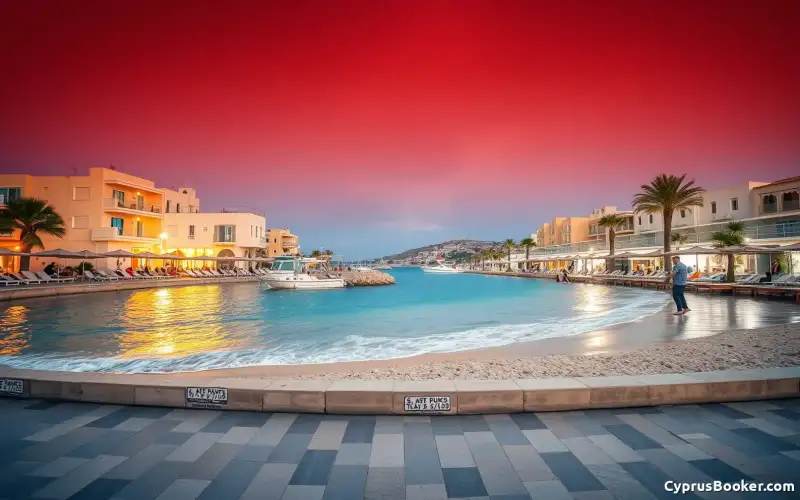
I watched a family of four from Manchester turn back at the Ayia Napa seafront last September, their hire car still running at the kerb. The water looked like weak tea. Patches of brown sargassum seaweed had rolled in overnight, and the woman was on her phone to the hotel already, demanding a refund. This is the conversation nobody has about shoulder seasons: sometimes the shoulder bites back.
June and September both promise the sweet spot—cheaper than July and August, less heaving than May. But they're not the same animal. After fifteen years writing about Cyprus and two seasons of watching the town from both angles, I can tell you exactly why one month consistently delivers better value for British tourists, and why the other month keeps surprising people in ways they don't enjoy.
The June Advantage: Sea Temperature and Real Crowds Relief
Start with the sea. In early June 2026, the water sits at 23-24°C. That's properly swimmable—not cold, not warm, just right for families who want their kids in the water for more than five minutes. By late June it nudges toward 25°C. September? The water is 26-27°C, technically warmer. But here's the catch: September's warmth often comes with sargassum blooms rolling up from the Sargasso Sea, particularly in late August and September. I'm not talking about a few bits of weed. I mean visible brown patches that make the water look murky and require daily beach cleaning crews.
The crowds tell a clearer story. June catches the tail end of spring school holidays for some British regions, but by mid-June, the schools have mostly broken up for summer. Hotels are filling, but they're not at saturation. You'll find sunbeds available on Nissi Beach without arriving at 6 a.m. Restaurant tables come up without a two-hour wait. The Water Park on the outskirts stays open but doesn't turn into a human car park.
September is supposedly quieter because summer holidays are over. In theory. In practice, September attracts a different crowd: gap-year kids, budget travellers, and Europeans who've taken late holidays. The beaches are less rammed than August, yes, but you're not getting June's breathing room. And the weather gets unpredictable. I've seen September rain arrive at 3 p.m. and kill an entire afternoon. June rain is rare enough that when it happens, it's news.
The Price Breakdown: Where June Actually Saves You Money
Here's what a typical mid-range hotel costs in June 2026 versus September 2026:
| Hotel Category | June Rate (per night) | September Rate (per night) | Saving in June |
|---|---|---|---|
| 3-star beachfront | £85-110 | £75-95 | £10-15 |
| 4-star resort | £140-180 | £120-160 | £20-30 |
| 5-star luxury | £250-320 | £220-290 | £30-50 |
Wait—September looks cheaper. That's the trap. Those prices assume you're booking for the entire month. But September's low-season pricing only holds if you're there early September or mid-September onward. Late August and the first week of September? Hotels charge near-summer rates because families are still on holiday and the clubs are running full lineups. Book a week in late September and you'll see better value, but you're also more likely to hit rain.
The real saving in June comes from flights and car hire. In June 2026, a return flight from London to Larnaca for two people runs £280-350 return. September? Similar, sometimes slightly less. But car hire is where June wins. A week's car rental in June costs roughly £180-220. In September it's £160-200. Not massive, but combined with hotel savings for early June dates, a family of four saves £200-300 on a week-long trip by going in June rather than late September.
Club Lineups and the Nightlife Question
If you're coming to Ayia Napa for the clubs, this matters. June runs a full summer schedule. Gatecrasher, Insomnia, Black N White—they're all operating at capacity with proper DJ lineups. The clubs have settled into their summer roster, which means you get consistent big names. It's not quite peak August (when every superclub flies in international headliners), but it's solid.
September is where it gets complicated. The big clubs stay open, but some operate on reduced schedules mid-week. Gatecrasher might run Thursday to Sunday only rather than nightly. This matters if you're a couple planning a four-day break mid-week. You could arrive on a Tuesday and find the main clubs dark until Thursday. I've had readers email complaining about this—they'd booked what they thought was peak season and found half the venues closed.
That said, early September (first two weeks) runs nearly full schedules because the summer holidays are still active. It's only mid-September onward that the clubs dial back. If nightlife is your priority, book the first week of September, not the last.
Weather Risk: The Real Difference
Cyprus doesn't get monsoons. June weather is genuinely reliable. I've been there for seventeen Junes and seen proper rain exactly twice. The average is 0.2 rainy days in June. You're essentially guaranteed sunshine from 9 a.m. onward, with temperatures hitting 28-32°C by mid-afternoon.
September is less predictable. Average rainfall jumps to 0.8 days, which doesn't sound like much until you realize that one day often means a full afternoon downpour. Temperatures stay warm—26-30°C—but humidity climbs, and the occasional thunderstorm arrives without warning. More importantly, September is technically the tail end of the Atlantic hurricane season. I've never seen a hurricane hit Cyprus, but tropical systems can push moisture up through the Mediterranean, creating freak weather. In September 2023, a system brought heavy rain and rough seas that closed Nissi Beach for a day.
For families with young children or couples planning specific beach days, June's reliability is worth money. You're not gambling on weather.
Transport and Getting Around: Practical Differences
This is category-specific and often overlooked. In June, buses run on summer schedules—frequent, predictable, packed. The Ayia Napa-Larnaca airport shuttle runs every 30 minutes from 6 a.m. to 10 p.m. Car hire availability is tight but manageable. Most rental companies have stock, though you'll pay slightly more for premium vehicles.
September sees reduced bus schedules mid-month as the school year starts and local demand shifts. The airport shuttle still runs hourly, but mid-week services thin out. Car hire is easier to book and sometimes cheaper, but you're hiring in a less predictable season—which matters if your plans change due to weather.
If you're planning to hire a car for exploring beyond Ayia Napa—Protaras, the Troodos Mountains, Paphos—June gives you better daylight hours (sunset at 8:15 p.m.) and more reliable driving conditions. September sunset is around 7:15 p.m., giving you less evening light for driving back from day trips.
Who Should Choose June
Couples looking for reliable weather and actual value. Early June especially—before mid-month when prices start creeping up. Families with young children who need predictable water temperature and low rain risk. Anyone planning to hire a car and explore the island. Groups of friends who want the clubs running at full capacity but don't want to pay peak August prices.
Who Should Choose September
Budget-conscious solo travellers or pairs willing to book early September (first week to ten days) and accept slightly higher humidity. Families with school-age children who can only travel after summer holidays end, particularly from mid-September onward when prices drop further. Couples who actively prefer quieter beaches and don't mind the sargassum risk or occasional rain.
The Verdict: June Wins for Most People
I'm going to be direct: June 2026 is the smarter month for British tourists. You get 80 percent of the price savings you'd get in September, but with 95 percent better weather reliability and noticeably fewer people. The sea is warm enough, the clubs are running properly, and you're not gambling on sargassum blooms or September rain ruining your plans.
September works if you're specifically chasing the absolute lowest prices (which you only get mid-to-late month, not early September), or if your holidays are locked to school dates. Otherwise, June delivers better value because it removes the weather and seaweed wildcards. A family that books mid-June, finds a hotel at £95 per night, hires a car for £200 for the week, and flies from London for £300 is spending roughly the same as a family booking late September—but they're getting guaranteed sunshine, warmer water, and functioning nightlife.
The Manchester family I mentioned at the start? They'd have been better off in June. The sargassum wouldn't have been there. The water would have been clear. Their hire car wouldn't have been idling while they decided whether the beach was worth it.
That's the difference between a shoulder season that works and one that just looks cheaper on the spreadsheet.


Comments (3 comments)