
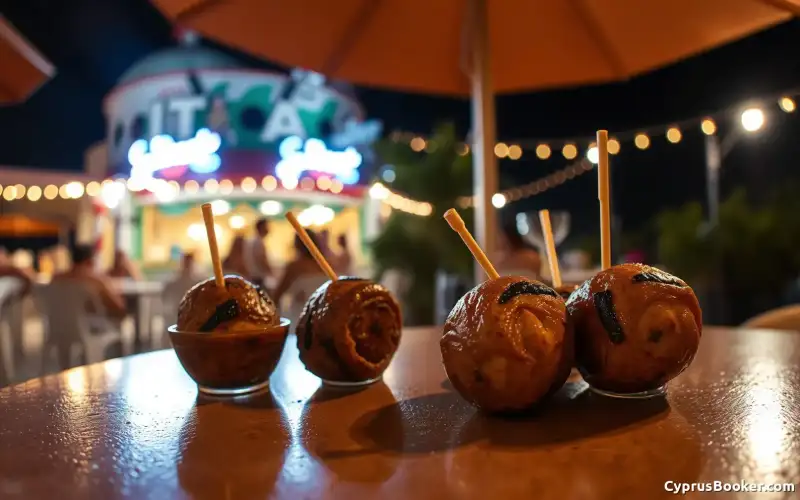
The Tesco Halloumi Moment
Three years ago I bought a pack of Cypriot halloumi from Tesco for £2.50 and grilled it at home in London. It was decent enough – squeaked between my teeth, didn't melt completely – but something was missing. Then I came back to Larnaca for a two-week stint and ordered saganaki at a taverna near the marina. One bite and I understood why Cypriots treat this cheese like a national treasure. The difference between supermarket halloumi and the real thing cooked properly is the difference between a package holiday and actually living somewhere.
Halloumi has a melting point above 200°C, which means it browns and chars instead of collapsing into a puddle. When it's fresh – really fresh, made that morning – the texture is almost creamy inside, with a salty crust that cracks when you bite it. In Ayia Napa, you're eating cheese that was made within hours, not weeks. That changes everything.
Why Halloumi Tastes Different Here
Cyprus produces about 6,500 tonnes of halloumi annually, and roughly 40% of it is exported. What stays on the island is fresher, made by smaller producers who sell direct to restaurants and markets. The cheese is made from a mix of goat and sheep milk – sometimes cow milk too – heated to precise temperatures, then stretched and folded like taffy. The result is a cheese with a high melting point and a slightly rubbery texture that's actually ideal for grilling.
The best halloumi in Ayia Napa comes from producers in the Troodos Mountains, about 45 miles inland from the coast. Villages like Lofou and Vasa make cheese the way their families have for generations – small batches, traditional methods, sold within days of production. When a taverna advertises "halloumi made this morning," they usually mean it literally.
The Three Ways to Eat It
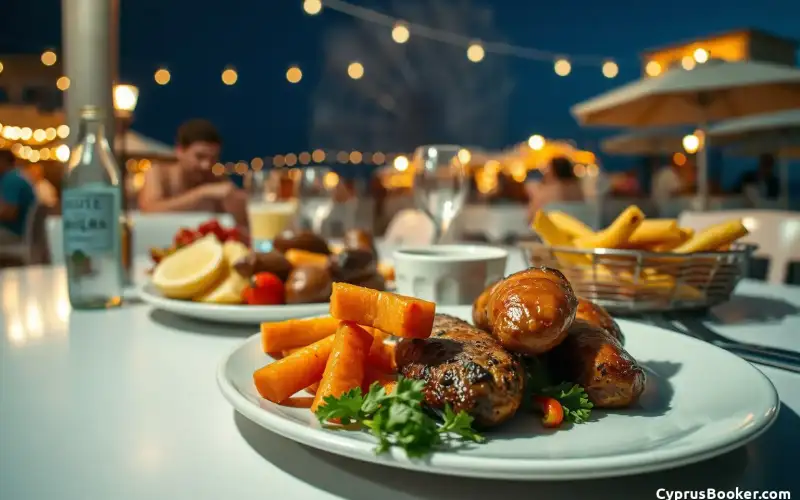
Grilled halloumi is the most common – thick slices cooked on a hot plate or grill until the outside chars golden-brown and the inside softens. Fried halloumi (sometimes called saganaki when it's breaded and deep-fried) is heavier but more indulgent – crispy outside, molten inside. Then there's the taverna classic: halloumi with lemon, served cold or warm, sometimes with a drizzle of olive oil and oregano. Each preparation suits different moments. Grilled works as a starter or light lunch. Fried is a late-night meze when you're at a bar. Cold halloumi with lemon is what you eat at a family meal when someone's just brought a block from the market.
The Tavernas Worth Your Money
I've eaten halloumi at roughly 40 restaurants in and around Ayia Napa since 2019. Some are tourist traps charging £12 for a plate that costs the owner £1.50 to make. Others are family operations where the owner's mother makes the cheese in a kitchen out back. Here's what I've found works.
Budget Spots: £3–£5 per Plate
Taverna Psaropoulos sits about 2 miles west of Ayia Napa town centre, near the village of Paralimni. It's not fancy – plastic chairs, paper napkins, a grill in the corner – but the halloumi is exceptional. They source from a producer in Vasa and grill it to order. A plate of three slices costs £3.80. The cheese comes with a squeeze of lemon and a small bowl of their own olive oil. The owner, Yiannis, has been running the place for 18 years and knows exactly how long to cook each batch. Eat it immediately – halloumi hardens as it cools.
Taverna To Perivoli, also near Paralimni, does similar work at similar prices. Their saganaki (breaded and fried) is £4.20 for a generous portion. They serve it with honey drizzled on top, which sounds gimmicky but works – the sweetness cuts through the salt and fat. Go at lunchtime before the tour groups arrive.
If you're staying in Ayia Napa town itself, Taverna Thalassa on the main strip (Nissi Avenue) does a decent grilled halloumi plate for £4.50. It's not the best in the area, but it's reliable and the portions are generous. The taverna is open from 11am to 11pm daily.
Mid-Range: £6–£9 per Plate
Taverna Kypriako, about 3 miles from Ayia Napa town centre near Kapparis, is where locals eat when they want something better than the tourist tavernas but don't want to spend serious money. The halloumi is from a producer in Lofou, and they grill it in front of you on a charcoal fire. The crust is properly charred – almost blackened in places – and the inside is almost melting. A plate costs £7.50 and comes with bread and a small side of their own halloumi in oil (a different product, softer, almost like mozzarella). The taverna is closed Mondays and only opens for dinner (6pm–11pm).
Taverna Yiorgos, in the Kapparis area, does excellent saganaki and grilled halloumi at similar prices. Their specialty is halloumi with watermelon – a traditional pairing that seems odd until you taste it. The sweetness of the watermelon balances the salt of the cheese perfectly. A plate with watermelon costs £8. They're open daily from noon to midnight.
Splurge Spots: £10–£15 per Plate
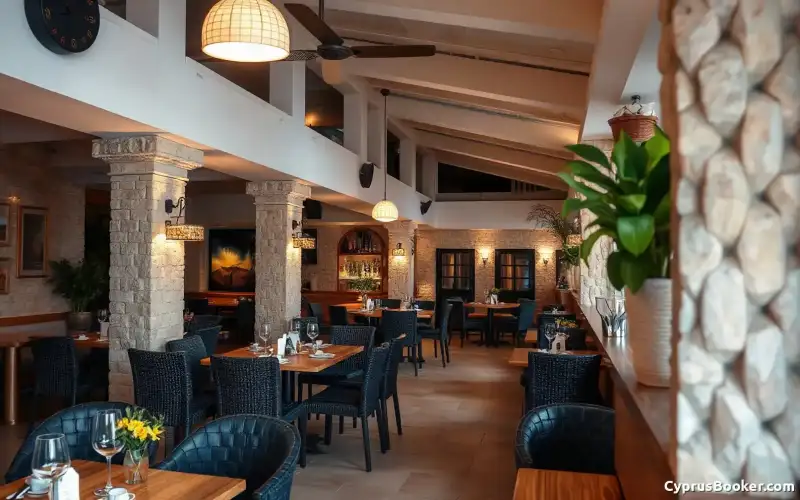
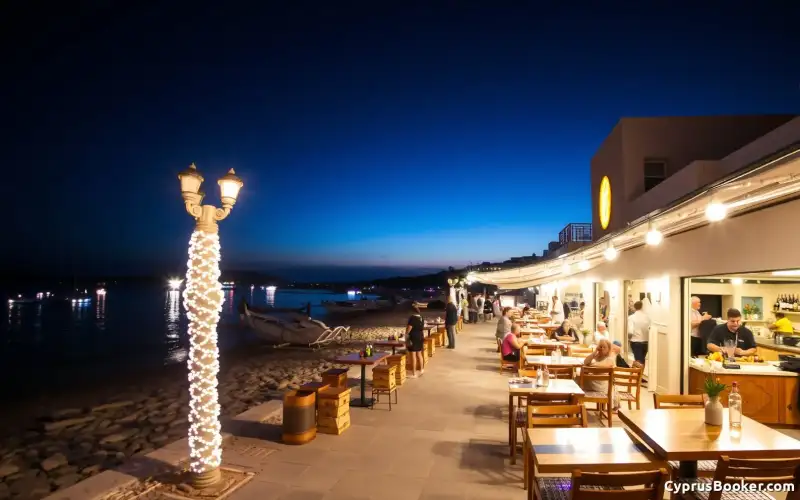
If you want to eat halloumi in a nicer setting – proper tablecloths, wine list, sea views – there are a few options. Taverna Nissi, right on Nissi Beach, does a grilled halloumi plate for £12 that's not dramatically better than the £4 version at Psaropoulos, but the location makes it worth it if you're spending the day at the beach. The cheese is sourced from the same producers as the cheaper tavernas, but they add a small salad and charge for the view.
For actual fine dining, Taverna Varoshia near the marina does halloumi as part of a meze selection. You won't order it standalone – instead, you'll get a tasting menu (£28–£35 per person) that includes grilled halloumi alongside other cheeses, cured meats, and seafood. The halloumi is cooked perfectly, but you're paying for the full experience.
The Market Option: DIY Halloumi
If you're staying in a villa or apartment with a kitchen, buy halloumi from Ayia Napa's daily market (open 7am–1pm, near the town centre) and cook it yourself. A fresh block costs £2–£3 per pound. Slice it about half an inch thick, heat a dry frying pan until it's smoking, and cook each slice for about 90 seconds per side. The edges should char, the inside should soften but not melt completely.
Serve it immediately with lemon juice and a pinch of oregano. This is how Cypriot families eat halloumi most days – simple, cheap, and honestly better than many restaurant versions because it's cooked to your exact preference. I've done this dozens of times in rental apartments, and it's always been a highlight of the trip.
Timing and Seasons
Halloumi is made year-round, but spring (March–May) is when the milk quality is best – the animals are grazing on fresh grass – so the cheese tastes more complex. Summer is peak tourist season, which means tavernas are busier and quality can slip as they rush orders. Autumn (September–November) is my preferred time to visit specifically for food. The weather is still warm, the crowds have thinned, and the cheese is still excellent.
Order halloumi at lunchtime (noon–2pm) for the best quality. It's fresher, the kitchen is less rushed, and you'll get the owner's attention. Evening service (after 7pm) is when tavernas are packed and shortcuts happen.
What to Pair It With
Halloumi doesn't need much. A squeeze of lemon is enough. But traditional pairings include:
- Watermelon (sweet, cuts through the salt)
- Honey (drizzled on fried saganaki)
- Oregano (dried, sprinkled on top)
- Olive oil (their own, not bottled)
- Bread (to soak up the fat and lemon)
If you're ordering at a taverna, ask what they recommend. Most owners have a signature way of serving it. At Psaropoulos, Yiannis always brings a small bowl of his own olive oil – he's proud of it and it's genuinely excellent. At Kypriako, they serve the grilled halloumi with a small plate of their softer halloumi in oil, which is a different product entirely but worth trying.
Drink it with beer, white wine, or just water. Halloumi is rich and salty – you need something to wash it down. A cold Keo (the local lager) costs about £2 at a taverna and pairs perfectly.
The Reality Check
Not every halloumi dish in Ayia Napa is good. Some tavernas use imported halloumi from mainland Europe, which is cheaper but doesn't have the same texture or flavour. Some cook it too long and it becomes rubbery. Some serve it cold when it should be hot. The difference between an exceptional plate and a mediocre one often comes down to the producer and the timing – the owner's attention to detail matters more than the price.
The best halloumi I've eaten in Ayia Napa was at Taverna Psaropoulos for £3.80, cooked by Yiannis who's been doing it the same way for nearly two decades. The worst was at a beachfront restaurant that charged £14 for halloumi that had been sitting under a heat lamp for 20 minutes. Price is no guarantee of quality.
If you're visiting Ayia Napa and you love cheese, make halloumi a priority. It's cheap, it's available everywhere, and when it's good, it's genuinely excellent. Skip the supermarket versions back home. Once you've tasted fresh Cypriot halloumi cooked properly, the Tesco blocks will taste like plastic.

Comments (4 comments)