
Last April, I watched a stag do stumble out of a Ayia Napa nightclub at 6am while a young family from Sussex unpacked their suitcases three kilometres away in Protaras, ready for a quiet breakfast by the sea. Same island, same coastline, completely different holidays. That's the essential story of these two resorts—neighbours separated by temperament, not geography.
If you're booking a Cyprus trip for 2026 and haven't yet decided between Ayia Napa and Protaras, you're asking the right question. Both sit on the east coast, both have excellent beaches, both offer solid accommodation and food. But the personality of each place is so distinct that picking the wrong one can genuinely shape your entire experience. This guide cuts through the marketing speak and gives you the honest breakdown.
The Nightlife Question: Clubs, Bars and When You Want to Sleep
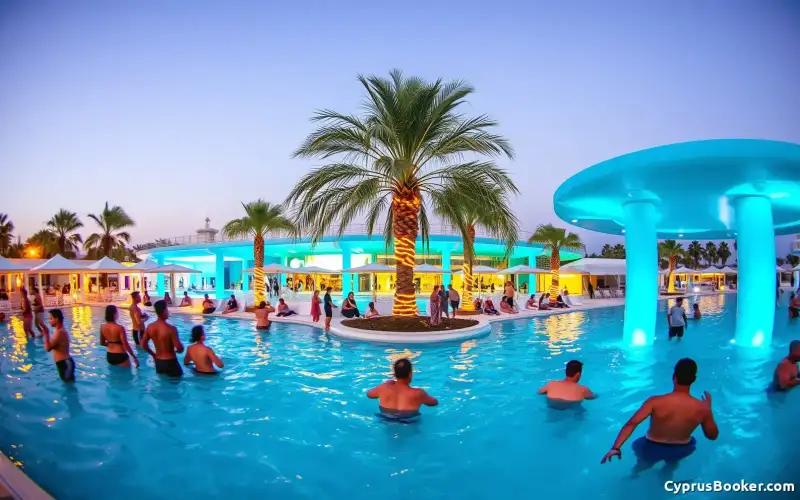
Let's start with the obvious: Ayia Napa is the party capital of Cyprus, full stop. The resort has earned its reputation through sheer scale and consistency. The main strip—running from the central square down towards the seafront—is lined with venues that don't close until sunrise. We're talking proper nightclubs with international DJs, foam parties in summer, themed club nights running seven days a week. If you're 28 and want to dance until your feet hurt, Ayia Napa delivers that reliably.
The clubs here aren't small either. Places like Sensi Club and Liquid pull in 1,500+ people on peak nights. The energy is young, loud and relentless. The season runs hard from May through September, with July and August being absolute madness—the streets are rammed with groups of friends, hen parties and lads holidays. If you come in June or September, it's still lively but more manageable. Winter (November to March) is quieter but venues still operate, just with smaller crowds.
Protaras, by contrast, has bars and a few late-night venues, but nothing close to Ayia Napa's scale. You'll find friendly pubs, beach bars that stay open until midnight or 1am, and a handful of clubs, but the vibe is entirely different. People here are drinking for conversation, not for the club experience. The main strip in Protaras—around the seafront and central avenue—closes down by 2am most nights. If you're looking for a quiet drink with friends and an early night, Protaras works. If you're chasing the full club circuit, you'll be disappointed.
One practical note: Ayia Napa is only 10 kilometres from Protaras. If you're staying in Protaras but want a proper night out, you can grab a taxi (around €8-12) or use local mini-buses. Some visitors base themselves in the quieter resort but venture to Ayia Napa for 2-3 nights. It's doable, though tiring.
Beaches: Sand, Clarity and Crowds
Both resorts sit on genuinely excellent coastline. The water is warm (25-27°C in summer), clear enough to see the bottom in most spots, and the sand is fine and golden. But the beach experience differs significantly in atmosphere.
Ayia Napa's main beaches—Nissi Beach and Macronissos Beach—are stunning but absolutely heaving in July and August. Nissi is the most famous: a crescent of pale sand with a small island visible offshore, backed by tavernas and beach clubs. It's photogenic, lively and popular. Finding a quiet spot in peak season is nearly impossible. You'll be shoulder-to-shoulder with sunbeds, music pumping from multiple beach bars, and a constant stream of people. That's fine if you want energy and social atmosphere. If you want to read a book undisturbed, it's maddening.
Protaras has several excellent beaches too. Fig Tree Bay is the standout—a sheltered cove with golden sand, shallow water perfect for families, and fewer crowds than Nissi. Sunrise Beach is another gem, quieter and more intimate. The beaches here feel less developed, more relaxed. You can still get sunbeds and food, but the vibe is calmer. Families dominate the beach scene in Protaras, not groups of young lads.
Water sports are available at both, though Ayia Napa has more operators and variety. Jet skis, paddleboards, banana boats, parasailing—all standard. Protaras offers similar activities but at a slower pace.
If you're visiting in May or September, both resorts' beaches are considerably more pleasant. The summer crowds thin out, the water is still warm, and you can actually find space to sit. June is the sweet spot—warm enough, not yet rammed.
Family Appeal: Kids, Facilities and Peace of Mind
This is where Protaras pulls decisively ahead. The resort is fundamentally family-oriented. Hotels here actively cater to families—kids' clubs, shallow pools, family restaurants with high chairs and children's menus. The beaches are safer for children (shallower, less rip current risk), and the overall pace is gentler.
Ayia Napa isn't hostile to families—plenty of families do visit—but the infrastructure and atmosphere are built around younger adults. The nightlife noise carries into the early hours, the beaches are crowded and chaotic, and many hotels are geared toward groups and couples, not families with young kids. A family with a 4-year-old would likely have a better time in Protaras. A family with teenagers might enjoy Ayia Napa's energy.
Practical family considerations in Protaras: restaurants stay open from 12pm-11pm typically, many have outdoor seating so kids can move around, supermarkets are well-stocked with familiar brands, and the roads are quieter (safer for walking). Ayia Napa's restaurants and bars often don't open until 6pm, and the streets get hectic in evening hours.
Both resorts have English-speaking staff, which helps with families. Medical facilities are good in both—the nearest hospitals are in Larnaca, about 40 minutes away, but both resorts have private clinics and pharmacies.
Food and Drink: Tavernas, Meze and Dining Culture
This is where I get genuinely excited, because both resorts have solid food scenes, just different flavours.
Protaras' restaurant scene is more traditional. You'll find proper family-run tavernas serving Cypriot classics: grilled halloumi, souvlaki, meze spreads (the small plates—olives, dips, grilled octopus, cheese, bread—that are the heart of Cypriot eating). Prices are reasonable: a full meze for two with wine runs €25-35. The food is straightforward, not fancy, but genuine. Restaurants here have been running for 15-20 years, the same families cooking. The atmosphere is relaxed—you can linger for hours, order slowly, chat with staff.
Ayia Napa has more variety and more international options. You'll find Italian, Asian, steakhouses, seafood specialists. There are also traditional tavernas, but they're mixed in with tourist-focused restaurants that prioritise speed and volume. Prices are higher—expect €30-50+ per person for dinner at the better places. The food quality is good, but it's more about choice and convenience than authenticity. Some excellent restaurants exist (I've had stunning fresh fish here), but you need to pick carefully. Many places on the main strip are tourist traps—mediocre food, inflated prices, rushed service.
For serious food lovers, Protaras wins on authenticity. For variety and international options, Ayia Napa wins. For value, Protaras is cheaper across the board.
Drinking culture differs too. Protaras bars serve beer, wine and standard spirits. Ayia Napa bars compete on cocktails, happy hours and party promotions. A beer in Protaras costs €2.50-3.50; in Ayia Napa, €3.50-4.50. Wine by the glass is cheaper in Protaras (€2.50-3.50 vs €4-5 in Ayia Napa).
Accommodation: Hotels, Apartments and Value
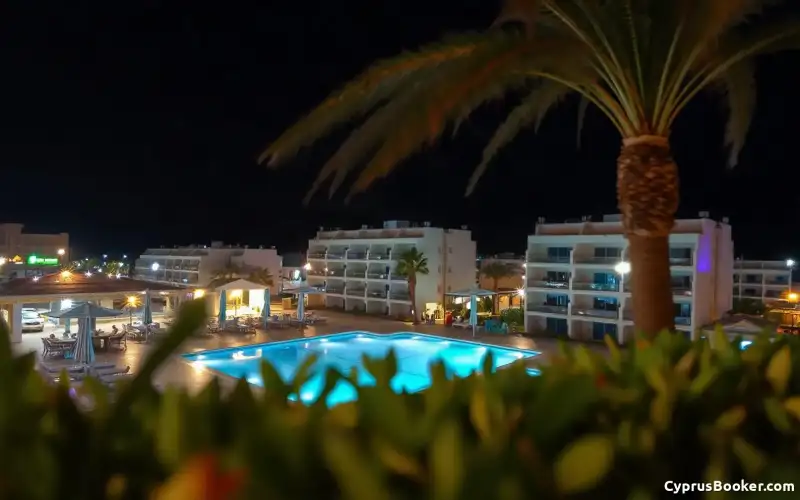
Both resorts have hotels across all price ranges. Budget options (€40-70 per night) exist in both, as do luxury properties (€150-300+). The differences are subtle but real.
Ayia Napa hotels tend to be newer, more corporate, with bigger facilities (pools, gyms, restaurants). All-inclusive options are more common here. Mid-range hotels (€70-120 per night) often have multiple pools, entertainment programmes, and can feel quite busy and impersonal. The better value is at the higher end—€120-180 buys you a genuinely nice, quieter hotel away from the main strip.
Protaras hotels are often smaller, family-run or locally-owned. They feel more personal, less chain-like. You're more likely to get a warm welcome from the owner, flexibility on check-in times, and recommendations for local spots. Mid-range here (€70-120) often feels nicer and more characterful than equivalent Ayia Napa properties. Luxury options are fewer but exist—waterfront hotels with excellent service.
Apartments are available in both resorts and offer good value if you're staying 7+ nights. A two-bedroom apartment in Protaras costs €60-100 per night; in Ayia Napa, €80-130. Both have full kitchens, which saves money on meals.
Booking tip: Ayia Napa fills faster in summer (book by April for July-August). Protaras has more availability but books up earlier in the season for families (April-May). Both see price spikes in July-August and Christmas-New Year.
Transport, Getting Around and Practicalities
Both resorts are accessible from Larnaca Airport (45 minutes by car, €35-50 by taxi). Direct buses run from the airport to both resorts (€9-12, takes 1.5 hours). Hiring a car costs €25-40 per day; useful if you want to explore beyond the resort, less essential if you're staying put.
Within each resort, walking is viable. Both are compact enough to cover on foot, though the sun is intense in summer. Taxis are cheap and reliable (short journeys €3-6). Mini-buses (shared vans) run set routes for €1.50 per journey. Neither resort has a formal bus system, but the mini-buses are efficient and used by locals.
Getting between Ayia Napa and Protaras: 10 kilometres, 15-20 minutes by taxi (€8-12), or 20-25 minutes by mini-bus (€2). Doable for a night out but not something you'd do casually every evening.
Both resorts have supermarkets, pharmacies, ATMs and English-speaking services. Internet is good. Phone signal is reliable. You won't feel stranded or out of touch in either place.
Weather, Seasons and Timing Your Visit
Cyprus has a Mediterranean climate: hot, dry summers (May-September, 28-35°C), mild winters (November-March, 12-18°C). Rain is rare in summer, more common in winter but still infrequent.
Peak season is July-August: hottest, busiest, most expensive. Both resorts are rammed, prices spike 20-30%, beaches are crowded, restaurants are busy. If you hate crowds, avoid these months.
Shoulder season (May-June, September-October) is excellent: warm, less crowded, prices moderate. This is when I visit. The water is warm enough (23-27°C), the sun is reliable, and you can actually enjoy the beach without fighting for space.
Winter (November-March) is mild but unpredictable. Some days are sunny and pleasant (15-18°C, swimmable if you're brave); others are grey and cool. Many restaurants and some hotels close or reduce hours. Prices drop significantly (40-50% cheaper than summer). If you want budget travel and don't mind potential rain, winter works. If you want guaranteed sun and heat, summer is necessary.
Which Resort Suits Your Holiday Style?
Choose Ayia Napa if you're: young (under 40), prioritising nightlife and clubs, happy with crowds, interested in variety and international dining, travelling with a group or as a couple without kids, visiting July-August or willing to party in quieter months.
Choose Protaras if you're: families with children, couples seeking relaxation over partying, interested in authentic Cypriot food and culture, happy to skip the club scene, wanting better value for money, visiting in summer and wanting to avoid peak chaos, aged 40+, or travelling with elderly relatives.
The honest truth: they're both good resorts, just fundamentally different. Ayia Napa is a party destination that happens to have beaches. Protaras is a beach resort that happens to have bars. Neither is objectively better—it depends entirely on what you want from your holiday.
If you're still uncertain, consider splitting your stay: 3-4 nights in Protaras for beach and relaxation, 2-3 nights in Ayia Napa for nightlife and variety. You'll get a feel for both, and the 10-kilometre distance makes it feasible. Many visitors do this and end up preferring one for their next trip.
Book early if you're targeting summer (April onwards). Both resorts fill up, and prices rise as dates approach. May and September offer the best balance of weather, crowds and value—seriously consider these months if your schedule allows.


Comments (4 comments)