
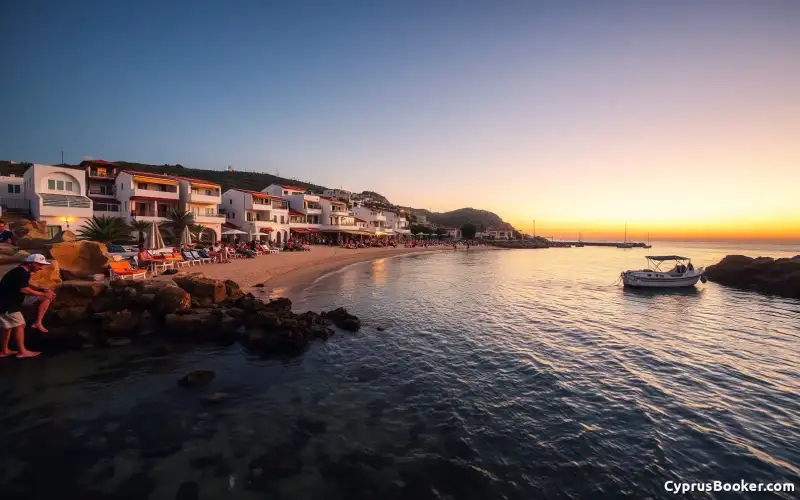
I've done Cape Greco at least forty times since 2010, and I still get that same rush when I round the corner past the lighthouse and see the sea caves for the first time that day. The park sits about 15 kilometres southeast of Ayia Napa town centre, and it's genuinely the best half-day excursion you can do from your hotel without needing to trek halfway across the island.
The thing people get wrong most often is thinking they need a car. You don't. You need patience, a decent pair of trainers, and honest information about what the buses actually do. So let's sort that out first.
Getting There Without a Car: The Real Options
Look, I'm going to be straight with you. There's no direct bus from Ayia Napa town centre to Cape Greco's main carpark. The OSEA bus network (that's the local operator) runs services around the resort, but they don't go all the way to the park entrance. I've watched tourists stand at the main bus station for twenty minutes waiting for a Cape Greco bus that doesn't exist.
Your actual options are these:
- Taxi or Bolt from Ayia Napa: Around €12-16 one way, depending on traffic. Takes about 20-25 minutes. Bolt is usually cheaper and you know the price upfront. This is what most people do, and honestly, it's the least stressful option.
- Walk from Ayia Napa town: It's roughly 5 kilometres along the main road (Nissi Avenue becomes the coastal road). Takes about 70-90 minutes depending on your pace and how many times you stop for water. The road's busy with traffic, so it's not pleasant. I wouldn't recommend it in summer heat.
- Rent a scooter or quad: Plenty of rental places in Ayia Napa charge €25-40 per day. Gives you flexibility and you can explore side roads. Parking at the park is straightforward if you've got your own transport.
- Organised tour from your hotel: Most hotels can arrange a half-day trip to Cape Greco with a guide for around €35-50 per person. You get someone who knows the trails, which is actually quite useful if you're not confident navigating.
The taxi option makes the most sense for couples or small groups. Split between two people, it's cheap, quick, and you're not knackered before you even start walking.
Parking: What Actually Happens
The main carpark at Cape Greco is proper organised. It's free, it's large enough for maybe 150 cars, and there's a small café and toilet block. In summer 2026, it fills up between 10am and 3pm, especially weekends. If you arrive after noon on a Saturday in July, you might struggle to find a space.
There's a second, smaller carpark about 500 metres away if the main one's full, but it's rougher—more gravel, less shade. The walk between them is fine.
The park itself has a small entrance fee: around €2 per adult if you're walking. If you're driving, it's €5. This goes toward maintenance, and honestly, the paths are well-kept, so it's fair.
The Main Walking Routes: What You Can Actually Do in a Day
Cape Greco has several marked trails, but let me tell you which ones are actually worth your time.
The Coastal Loop (Main Trail) – 7-8 kilometres, 2.5-3 hours
This is the classic route, and it's the one I'd recommend for most people visiting from Ayia Napa. It starts from the main carpark near the lighthouse and follows the cliffs eastward, dipping down to sea level where the caves are, then loops back inland.
The first section is spectacular. You walk past the lighthouse (built in 1881, still working) and the path narrows as you head toward the caves. The sea's maybe 30-40 metres below you, and the limestone cliffs are white and orange in places. On a clear day, you can see the Turkish coast across the water.
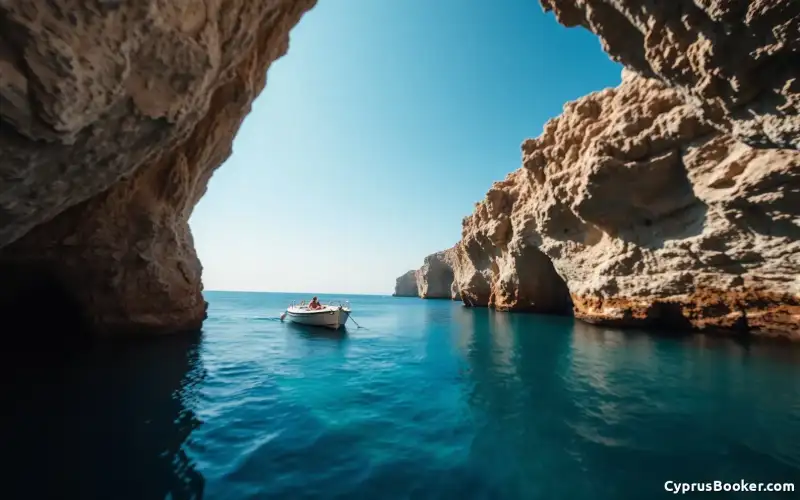
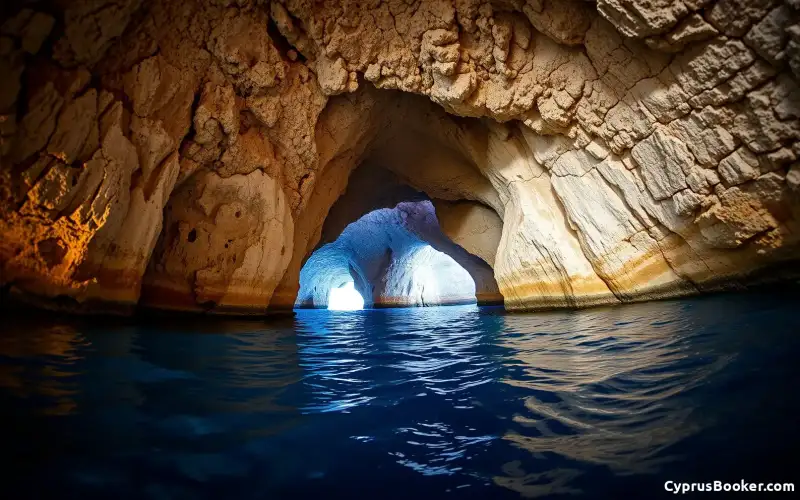
The sea caves come up after about 20-30 minutes of walking. There are three main ones you can actually access. The largest has a small beach inside it—proper surreal. People swim in there. The water's cold (around 18-20 degrees even in summer), but it's stunning. The caves are natural limestone formations, carved out over thousands of years. No archaeological stuff, just geology.
The path continues along the clifftop for another 45 minutes or so, with several viewpoints where you can stop for water and photos. Then it loops back inland through scrubland—this bit's hotter and less interesting, but it's necessary to complete the circuit.
The Caves-Only Route – 3-4 kilometres, 1.5-2 hours
If you're short on time or not that keen on long walks, just do out-and-back to the caves. It's about 1.5 kilometres from the carpark to the first cave, mostly downhill on the way there (which means uphill on the way back). Takes maybe 45 minutes each way with a swim break.
This is what a lot of families with kids do, and it works perfectly. You get the dramatic stuff without committing to a three-hour hike.
The Lighthouse Walk – 1 kilometre, 20-30 minutes
Shortest option. Just walk from the carpark to the lighthouse and back. It's easy, the views are good, and if you're exhausted or the weather's dodgy, it's a solid fallback.
Swimming and Water Safety
The caves are swimmable from June through September. Water temperature in June is around 20-21 degrees. By August, it's 24-25 degrees. September's still decent at 22-23 degrees. October onwards, it gets properly cold.
The main swimming spots are:
- Inside the sea caves: Sheltered, dramatic, but the water's deep and there's no beach. You need to be a confident swimmer. The water's crystal clear and the limestone walls are incredible up close.
- Pebble beaches near the caves: There are small pebble beaches between some of the cave entrances. Easier access than the caves themselves, still stunning water.
- Various cliff-base access points: As you walk the clifftop trail, you'll see spots where people have scrambled down to the water. Some are fine, some are dodgy. Use common sense.
Safety rules: Don't jump off cliffs. I know it looks tempting, but people get injured. Don't go swimming alone. Waves can come up suddenly, and if something happens, you need someone to get help. Don't leave valuables in the carpark—I've never had anything nicked in fifteen years, but it's common sense.
The water at Cape Greco is some of the clearest in Cyprus. Visibility's easily 20+ metres on a calm day. If you snorkel, you'll see fish, sea urchins, and sometimes octopus in the shallower areas near the caves.
Best Time to Visit: Hour by Hour
This matters more than you'd think. Cape Greco's busiest between 11am and 3pm, especially in summer. If you want solitude and decent light for photos, you've got two options:
Early morning (7-9am): The carpark's quiet, the light's golden, and it's cool. You'll finish your walk by lunchtime and have the afternoon free. Downside: cafés aren't open yet, and it can be a bit chilly for swimming in June.
Late afternoon (4-6pm): The crowds thin out after 3pm. Light's still good until sunset (around 8pm in June, 7:30pm in September). You can swim in warmer water, watch the sun drop toward Turkey, and head back to town for dinner. This is my preference, honestly.
Avoid midday in July and August unless you like crowds and heat. The carpark gets rammed, the trails are packed, and you're walking in direct sun for most of it. Not fun.
Weekdays are quieter than weekends, obviously. If you've got flexibility, go Tuesday to Thursday.
What to Pack and Wear
This is where people mess up. They turn up in flip-flops, no water, and a t-shirt, then wonder why they're miserable after twenty minutes.
- Trainers or proper walking shoes: The paths are rocky and uneven in places. Flip-flops will wreck your feet. Hiking boots are overkill, but decent trainers are essential.
- Water: At least 1.5 litres per person. There's a café at the carpark, but once you're on the trail, there's nowhere to refill. Dehydration in Mediterranean sun happens fast.
- Sun protection: SPF 50+, reapplied every two hours if you're swimming. The sun reflects off the white cliffs and the sea. You'll burn without thinking about it.
- Hat and sunglasses: Non-negotiable in summer.
- Lightweight, breathable clothes: Cotton's fine. Long sleeves if you're worried about sun. Shorts are standard.
- Swimsuit and towel: If you're planning to swim, obviously. A microfibre towel packs smaller than a regular one.
- Small rucksack: 15-20 litres is enough. You need your hands free for scrambling over rocks.
- Phone and portable charger: For emergencies and photos. There's no signal in some parts of the park, but you'll have it in the carpark and most of the clifftop route.
Avoid taking valuables. The carpark's generally safe, but there's no security. I leave my phone and wallet locked in the taxi and just take a small amount of cash for the café.
Seasonal Considerations for 2026
Cape Greco's open year-round, but conditions change dramatically.
April-May: Warm, not hot. Wildflowers are blooming. Water's around 19-20 degrees, so swimming's possible but chilly. Crowds are moderate. This is actually brilliant time to visit.
June-August: Hot (30-35 degrees), busy, water's warm (24-26 degrees). Swimming's perfect, but the park's packed. Early morning or late afternoon is essential.
September-October: Water's still warm, crowds drop, temperatures are more reasonable. My favourite months, honestly. September especially.
November-March: Cooler, sometimes rainy. Water's 16-18 degrees. The park's quiet, which is nice, but swimming's not appealing for most people. The trails are fine for walking, though. Bring a light jacket.
What You'll Actually See and Do
Beyond the caves and cliffs, Cape Greco's got a few other things worth knowing about.
The lighthouse is functional and historic, but you can't go inside. You can walk around it and get photos. It's iconic enough that it's worth a few minutes.
The scrubland around the park's home to some Mediterranean plants—wild rosemary, thyme, and various tough shrubs adapted to the rocky conditions. If you're into botany, it's interesting. If not, it's just scenery.
The rock formations are genuinely impressive. Limestone's been eroded by sea and wind for millennia, creating these dramatic white cliffs and weird shapes. You'll see natural arches, caves, and overhangs. Photography's excellent.
Wildlife: You might see rabbits, lizards, and various birds. Seabirds are common—cormorants, gulls, and occasionally birds of prey. Nothing dangerous. The sea's got fish, obviously. Snorkelling from the cave areas can be decent if you're into that.
Practical Tips from Fifteen Years of Visits
Bring a dry bag or waterproof phone case if you're swimming. The caves are stunning, but you want photos and you need your phone dry for emergencies.
The café at the carpark does basic stuff: coffee, soft drinks, pastries, sandwiches. Prices are reasonable (€3-5 for a coffee). It's not gourmet, but it's fine for a break.
If you're visiting in summer, start your walk by 9am or wait until 4pm. The midday heat between 12-4pm is brutal, and the carpark's rammed.
Don't rely on your phone's GPS entirely. The trails are marked with paint blazes on rocks, and they're straightforward, but signal drops in places. Download an offline map beforehand if you're worried.
Bring a lightweight, waterproof jacket even in summer. The wind can pick up suddenly on the clifftop, and if you're wet from swimming, it gets cold fast.
If you're going with kids, the caves-only route is perfect. It's short enough that children don't get bored, dramatic enough that they find it exciting, and the swimming's the reward at the end.
Getting Back to Ayia Napa
Book your return taxi before you start walking, or use Bolt when you're back at the carpark. Wait times can be 15-30 minutes in summer if you're just trying to flag one down. Having it sorted beforehand means you're not standing in the sun, knackered, waiting for transport.
If you've rented a scooter, obviously just ride back. Takes about 20-25 minutes depending on traffic.
The whole experience—taxi there, 2.5-hour walk, swim, café break, taxi back—takes about 5-6 hours from your hotel. It's a solid half-day trip that doesn't eat your entire day.
Comments (3 comments)