
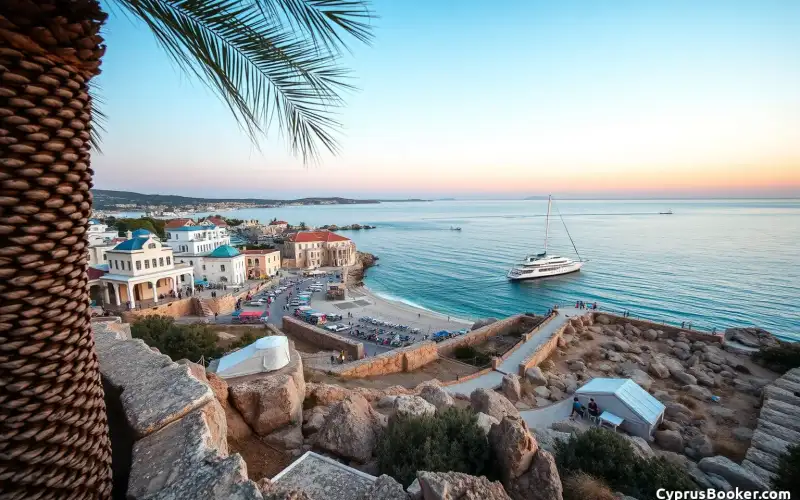
I watched a group of British lads spend forty minutes arguing about which cave entrance to use at Cape Greco last September. They had no map, no plan, and one person's phone battery at 12%. By the time they found the actual sea caves, they'd missed the best light and had to skip half the park. This doesn't have to be you. Cape Greco National Park covers roughly 3,900 acres of protected coastline between Ayia Napa and Protaras, and it rewards planning.
The park opened to the public in 2003 after years of conservation work. Today it's one of Cyprus's most visited natural attractions, pulling in roughly 200,000 visitors annually. Most of them cluster around three or four spots. The rest of the park sits quiet. That's the real win.
What You'll Learn in This Guide
This article walks you through the 10 best activities at Cape Greco in ranked order, based on what actually delivers value for your time and money. You'll get exact parking locations, realistic timing, what to bring, and which activities work best together in a single visit. I've split this into practical sections: how to approach the park, what to do first, which activities pair well, and how to troubleshoot the common mistakes that eat up your day.
The goal isn't to tick off a list. It's to spend 4-6 hours at Cape Greco and leave with photos you'll actually show people, without the exhaustion of poor planning.
Prerequisites: What You Need Before You Go
Cape Greco doesn't charge admission. Parking is free, though the main lot fills by 11 a.m. in summer. You'll need a car or taxi to reach the park entrance – it's 8 miles northeast of Ayia Napa town centre.
Bring water. A lot of it. The park has zero facilities once you enter – no cafés, no shops, no toilets beyond the entrance area. A 2-litre bottle per person is realistic for a half-day visit. The sun reflects off white limestone and sea, doubling the heat effect.
Wear proper shoes. I've seen tourists in flip-flops attempting the cliff paths. The limestone is sharp, the paths are uneven, and a twisted ankle in a remote spot means a long wait for help. Trainers or hiking boots work. Flip-flops don't.
Sunscreen is non-negotiable. You'll spend hours in direct sun with minimal shade. SPF 50+, reapply every 90 minutes, especially if you're in the water. The sea reflects UV rays upward – you'll burn from below as well as above.
A waterproof phone case costs £8-12 and prevents disaster if you're swimming or near splashing rocks. The sea caves involve water spray; cliff jumping means wet gear.
Timing matters. Arrive before 10 a.m. or after 3 p.m. in summer 2026. Mid-day crowds make parking difficult and the main paths feel like a shopping centre queue. Early morning also gives you the best light for photos and cooler temperatures for hiking.
Bring a basic map or download one offline. Mobile signal is patchy in the park. Google Maps works in most spots, but the detailed walking trails aren't always clear on standard maps. The park office sells printed maps for £2.
Step 1: Start at the Main Entrance and Get Oriented (30 minutes)
Enter via the main gate on Cape Greco Road. There's a small visitor centre with maps, a café with basic snacks, and parking for roughly 150 cars. Arrive early to secure a spot near the entrance – the overflow lot is a 10-minute walk back.
Spend 15 minutes at the visitor centre. Pick up a map, ask the staff which trails are open (occasional closures happen for maintenance), and check if any sections are busy. The staff speak English and actually know the park. They'll tell you which sea caves are accessible that day based on sea conditions.
The park has three main zones: the western cliff paths (where most people go), the central hiking trails, and the eastern beaches. Most visitors never make it past the western zone. That's where you'll find the famous sea caves and the Bridge of Lovers.
Step 2: Walk the Western Cliff Path to the Sea Caves (90 minutes)
This is the headline activity. The western cliff path runs 1.2 miles from the main entrance toward the sea caves and the lighthouse. It's marked, mostly flat, and takes 45 minutes at a normal pace.
The path hugs the cliff edge with views down to rocky coves and turquoise water. You'll pass several unmarked cave entrances – don't stop at the first one. Keep walking until you reach the main sea caves, roughly 0.8 miles from the entrance. They're obvious: large, dark openings in the cliff face with water inside.
The sea caves are accessible only when the sea is calm. In rough conditions (winter, or after storms), the caves flood and become dangerous. Check conditions at the visitor centre before you go. If the sea is rough, skip this and do the hiking trails instead.
When conditions are good, you can climb down into the caves. The descent is steep and involves scrambling over rocks. Wear proper shoes. The caves themselves are cool, dramatic, and worth the effort. Bring a torch – the interiors are dark and your phone's flash won't cut it. Most people spend 20-30 minutes exploring, taking photos, and cooling off.
Continue along the cliff path past the caves toward the lighthouse. This section is quieter and gives you sea views without the cave crowds. The lighthouse itself is closed to the public, but the viewing area around it is excellent for photos and a rest stop.
Step 3: Find the Bridge of Lovers and Take the Photo (20 minutes)
This is the most photographed spot in the park. It's a natural rock arch spanning a small cove, roughly 15 metres above water. Local legend says couples who jump together stay together. In reality, most people just take a photo and leave.
The bridge is accessed from the main cliff path, but the exact location isn't obvious. Ask at the visitor centre for directions – it's 0.5 miles from the main entrance along a side trail. The path is narrow and drops steeply on both sides. Don't take it in poor visibility or high winds.
The view is genuine. The rock formation is striking, and on a calm day you can see straight down to the water. Bring a phone stand or ask someone to take your photo – selfies here are awkward and risky. The bridge is narrow; don't crowd it.
Step 4: Visit Agioi Anargyroi Chapel (30 minutes)
This tiny Byzantine chapel sits on a cliff overlooking the sea, roughly 1 mile from the main entrance via a side trail. It's one of the oldest structures in the park, dating back to the 15th century. The walk is moderate – uphill in places, but well-marked.
The chapel itself is small, whitewashed, and often locked (the key is held by a local family). Even if you can't get inside, the setting is peaceful and the views are excellent. This is where you'll escape the crowds. Most visitors never find it.
The walk to the chapel takes you through scrubland and coastal vegetation. You'll see wild herbs, Mediterranean plants, and occasionally birds of prey. Bring water – there's no shade on this trail.
Step 5: Attempt Cliff Jumping at Designated Spots (45 minutes)
Cape Greco has several cliff jumping spots, ranging from 3 metres to 12 metres high. The most popular is near the sea caves, where locals jump from a 6-metre ledge into deep water.
This is genuinely risky. The water is deep, but rocks lurk below the surface in some spots. People die doing this – not often, but it happens. If you're going to jump, follow these rules: only jump at spots where locals are already jumping, never jump alone, wear water shoes or trainers to protect your feet on landing, and check the water for rocks and debris first.
The best time to jump is late afternoon when the water is calmest and the sun is lower. Avoid jumping in the morning when the sea is often rougher. Never jump if you're drunk, tired, or unsure of your swimming ability.
Most people watch others jump rather than do it themselves. That's sensible. The photos are good either way.
Step 6: Hike the Central Trails Through Mediterranean Scrub (2-3 hours)
The central section of Cape Greco has several interconnected hiking trails ranging from 2 to 5 miles. These are quieter than the coastal paths and give you a different perspective on the park.
The main central trail loops through scrubland, offering views inland toward Protaras and the Famagusta coast. It's mostly flat, well-marked, and takes 90 minutes for the full loop. The landscape is dry, sparse, and genuinely beautiful if you like Mediterranean wilderness.
Start early if you're doing this trail – there's minimal shade and the midday heat is intense. Bring at least 3 litres of water per person. The trail passes a few viewpoints with benches where you can rest.
This section is where you'll see the park's actual ecology: wild herbs, lizards, occasional snakes (harmless), and birds. In spring, wildflowers cover the landscape. In summer, it's brown and quiet.
Step 7: Explore the Eastern Beaches and Coves (60 minutes)
The eastern side of the park has several small beaches and rocky coves. They're less famous than the western caves but equally good for swimming and significantly quieter.
The main eastern beach is accessible via a 0.5-mile walk from the central parking area. It's a mix of sand and shingle, with clear water and minimal crowds. There are no facilities, but the beach is clean and well-maintained.
Several smaller coves branch off from the main trail. These are perfect for swimming, snorkelling, or just sitting with a book. The water is cold year-round (roughly 16°C in winter, 26°C in summer), but refreshing.
Bring snorkelling gear if you have it. The underwater life is better than the main beaches at Ayia Napa – fewer tourists means less disturbance. You'll see small fish, sea urchins, and occasionally larger fish in deeper water.
Step 8: Photograph the Lighthouse and Coastal Views (20 minutes)
The lighthouse at Cape Greco is a working navigation aid, not a tourist attraction. But the area around it offers some of the best views in the park. You can't enter the lighthouse, but you can walk around it and photograph the coastline.
The views stretch along the coast toward Protaras in one direction and back toward Ayia Napa in the other. On clear days, you can see the outline of the Famagusta coast across the bay. The light is best in late afternoon when the sun is lower and the colours are richer.
This spot is also excellent for watching sunsets. If you're planning a sunset visit, arrive here by 5 p.m. in summer. The crowds thin out significantly by 6 p.m., and the light is magical.
Step 9: Pack a Picnic and Eat at a Viewpoint (60 minutes)
There are no restaurants in the park beyond the café at the entrance. A picnic is the practical option. The visitor centre café sells basic sandwiches (£4-6), drinks, and snacks, but bringing your own food is cheaper and better.
The best picnic spots are the viewpoints along the western cliff path and the benches on the central hiking trail. Eat early – by noon, the main viewpoints are crowded. A 1 p.m. picnic at a quieter spot along the central trail is ideal.
Bring a small bag for rubbish. The park is clean because visitors respect it. Don't leave anything behind.
Step 10: Time Your Visit for Golden Hour and Sunset (30 minutes)
The light at Cape Greco is best in the two hours before sunset. The colours deepen, shadows become dramatic, and the crowds thin out. If you're visiting for photography, plan to stay until sunset.
Park hours are officially 8 a.m. to sunset daily. In summer 2026, sunset is around 8:15 p.m. in June and 7:45 p.m. by August. You can stay in the park until closing time, but the drive back to Ayia Napa in darkness takes 20 minutes, so plan accordingly.
The lighthouse area and the cliff paths are excellent for sunset photos. The sea turns gold, the sky deepens to purple, and the whole landscape glows. This is when the park is most beautiful.
Troubleshooting: Common Problems and How to Fix Them
Problem: Parking Lot is Full
The main parking lot fills by 11 a.m. in summer. If you arrive and it's full, don't panic. There's an overflow lot 0.5 miles back toward the entrance road. It's less convenient but usually has space. The walk adds 10 minutes to your visit.
Alternatively, arrive before 10 a.m. or after 3 p.m. These times are quieter and parking is easier. Early morning also gives you better light and cooler temperatures.
Problem: Sea Caves Are Inaccessible Due to Rough Seas
If the sea is rough, the caves flood and become dangerous. The visitor centre staff will tell you if conditions are poor. Don't attempt to enter if they advise against it – people have died ignoring this warning.
If the caves are closed, spend your time on the hiking trails or the eastern beaches instead. These are equally good and don't depend on sea conditions.
Problem: You're Running Out of Time
If you've spent too long at one spot and are running short on time, prioritise: do the western cliff path and sea caves first (they're the main attraction), then the Bridge of Lovers if you have 20 minutes left, then the eastern beaches if you have more time. Skip the central hiking trails if you're pressed – they require 2+ hours.
Problem: You've Brought Small Children
The western cliff paths are safe but require supervision. The cliff edge has no barriers, and children can be unpredictable. The sea caves involve scrambling, which is difficult for young kids. The central hiking trails are better for families – they're flatter, less exposed, and less crowded.
The eastern beaches are excellent for families. They're quieter, safer, and good for swimming. Bring a beach bag with snacks and entertainment.
Problem: You're Overheating or Dehydrated
If you feel dizzy, nauseous, or confused, you're likely dehydrated or overheated. Stop immediately, find shade (trees near the chapel or the central trails), drink water slowly, and rest for 15-20 minutes. If symptoms persist, walk back to the visitor centre where there's a café and staff.
Heat exhaustion is serious. Don't push through it. The park will still be there if you need to leave and return another day.
Final Thoughts: Making the Most of Your Visit
Cape Greco National Park rewards planning and patience. The visitors who enjoy it most are those who arrive early, know what they want to see, bring the right gear, and don't try to do everything in one visit. Pick 4-5 activities that appeal to you, allocate realistic time, and actually enjoy the place rather than rushing through it.
The sea caves and the Bridge of Lovers are the headline attractions. Do those first. Everything else is a bonus. If you have 4 hours, do the western cliff path, the caves, and the bridge. If you have 6 hours, add the chapel and a hike through the central trails. If you have a full day, do everything and come back another time for the bits you missed.
The park is best visited between April and October. Winter brings rough seas and occasional rain. Summer is hot but reliable. September and October are ideal – the weather is still good, the sea is warm, and the crowds are smaller than July and August.
Bring cash for the visitor centre café and parking donations (though parking is officially free, a small donation supports maintenance). Most facilities in Ayia Napa are nearby, so you can grab food or supplies before or after your visit.
I've visited Cape Greco roughly 40 times over the past decade. It's genuinely one of the best coastal parks in the Mediterranean. Most British tourists spend their entire holiday in Ayia Napa town centre. They miss this entirely. Don't be one of them.

Comments (4 comments)