Last summer, my middle child refused to get in the car for another beach day. "Boring," she said, arms folded. Then we drove to Cape Greco and she spent three hours hunting for sea caves like she was on a treasure hunt. By lunchtime, she'd found three, waded through crystal water, spotted fish the size of her hand, and forgotten all about her phone. That's Cape Greco for you—it's the national park that actually delivers on the promise of adventure without requiring mountaineering skills or a gym membership.
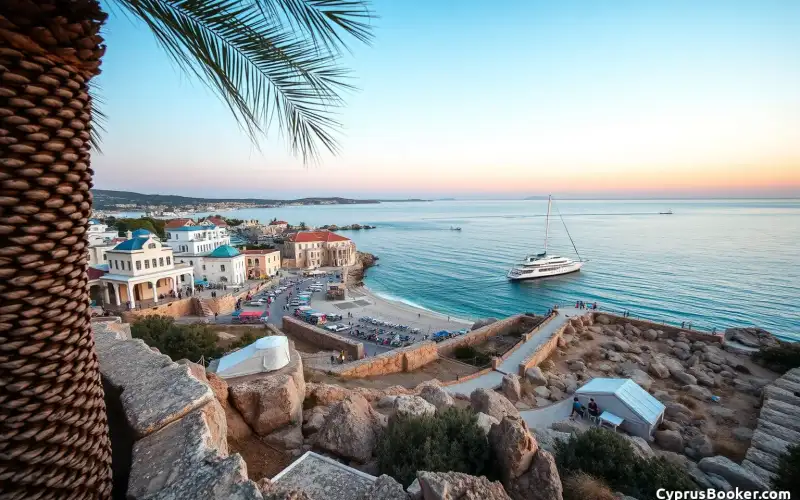
Cape Greco sits about 15 kilometres south of Ayia Napa, perched on the southeastern tip of Cyprus where the Mediterranean crashes against limestone cliffs. It's technically a national park, though nobody's going to stop you at a gate or ask for a ticket. What you get instead is a proper landscape: walking trails that range from "my four-year-old can manage this" to "okay, maybe not today," sea caves carved into the rock, snorkelling that doesn't require a boat, and views that make you understand why people move to Cyprus and never leave.
Getting There and Parking: The Practical Bit
First things first: you need a car. There's no bus that goes all the way to Cape Greco, and trying to get three kids and a picnic down there by taxi would cost more than your holiday budget. If you're renting, ask for something with decent suspension—the road to the park entrance is fine, but some of the car park areas are rough.
From central Ayia Napa, head south on the main road towards Protaras, then follow signs for Cape Greco or Cavo Greco. The drive takes about 20 minutes. The main car park is at the entrance to the park, and it's free. It's a proper tarmac car park, not a dirt track, which matters when you're managing small children and bags of snacks. There's also a second car park further along if the first one's rammed, though that's rare even in August.
Facilities at the main car park are basic but adequate: a couple of bins, a small information board, and usually a beach bar about 50 metres away selling cold drinks and sandwiches. No toilets at the car park itself, which is the one annoying thing. The nearest facilities are at the beach bar, and they're only available if you buy something. We usually grab a cold drink and use the loo while we're there—costs about €3 for a bottle of water and a coffee, and it's worth it for peace of mind.
Trail Options: Which Route for Your Family?
The Pushchair-Friendly Loop (30-45 minutes)
If you've got a toddler or a child who gets tired quickly, this is your route. It's the flattest, shortest walk in the park, and it actually goes somewhere interesting rather than just being a "let's walk around the car park" situation. Start from the main car park and head towards the beach bar. The path is mostly paved or compacted earth, wide enough for a pushchair (though not a double buggy—the path's only about a metre wide in places). You'll walk along the top of the cliffs with the sea below, which sounds dramatic but is actually quite safe because there's a low fence the whole way.
This route takes you past a couple of smaller sea caves that are accessible from the path above—you can peer down into them without climbing. The views are genuinely stunning, and your kids will probably spot boats, swimmers, or kayakers in the water below. The path ends at a small pebble beach where you can paddle if you've got time. Pushchair-wise, you'll need to leave it at the top and carry a toddler down the final 20 steps, but it's manageable.
The Sea Caves Route (1.5-2 hours, moderate difficulty)
This is the one that gets the kids excited. You're looking for the famous sea caves—proper caves carved into the cliff face where you can actually walk inside (well, wade inside, because they're partially filled with seawater). The main caves are accessible without climbing gear or swimming ability, which is why families love them.
From the car park, follow the main path downhill towards the sea. The path is rocky and uneven—not suitable for pushchairs, but fine for kids aged four and up who can manage a bit of scrambling. Wear proper shoes, not flip-flops. The descent takes about 15 minutes and drops maybe 40 metres in total, but it's gradual rather than steep.
Once you reach sea level, you're on a rocky shore. The caves are to your left (east) as you face the sea. There are three main caves you can access: one huge cave that you can walk right into, and two smaller ones. The big cave has a sandy floor inside and is genuinely cool—the light comes through the cave entrance and bounces off the water, creating this eerie blue glow. Kids find it magical. The water inside is about knee-deep at high tide, ankle-deep at low tide, so bring spare clothes or swimming stuff if you think they'll wade in. Most of them do.
The caves are safest to visit at low tide, when there's more beach exposed and you've got more room to move around. Check tide times before you go—they're easy to find online. High tide is still fine, but the caves are less accessible and the water comes right up to the cave walls, which makes some kids nervous. We usually aim for afternoon visits so the caves are lit by sunshine rather than shadow.
The Longer Clifftop Trail (2.5-3 hours, easy to moderate)
If you've got older kids (eight and up) who actually enjoy walking without complaining every five minutes, this route takes you along the cliffs towards the lighthouse at the very tip of Cape Greco. The path is mostly paved and the views are spectacular—you're looking out over the Mediterranean with Protaras to the west and, on clear days, you can see across to the Turkish coast.
This route is less crowded than the sea caves route because it requires more sustained walking. There are benches at intervals where you can sit and let the kids have a snack. The lighthouse at the end is a proper landmark, and kids enjoy the sense of having reached "the end of the world." The path is well-marked and there's minimal scrambling, though it is rocky underfoot in places. Bring plenty of water—there's no shade on this route and the sun bounces off the white limestone.
Sea Caves: The Detail You Need
The sea caves are the real drawcard, so let's talk about them properly. There are three main caves accessible from the beach, and they're genuinely impressive without being dangerous if you're sensible.
The largest cave—locals call it the Cathedral Cave because of its size—is about 30 metres long and opens up into a proper chamber inside. The entrance is wide and high, so there's no feeling of being trapped. The floor is mostly sand and small pebbles, and the water is clear enough to see fish. Kids can wade in up to their waist and feel like they're exploring something genuinely wild. The light inside is incredible in the afternoon—it comes through the entrance and creates this blue-green illumination that looks like something from a film.
The second cave is smaller and more intimate. It's only about 10 metres deep, but it's narrow enough that kids feel like proper adventurers. The water inside is very shallow—ankle-deep most of the time—so younger kids can paddle without worrying about depth.
The third cave is the smallest and requires a bit of rock scrambling to reach, which older kids find brilliant. It's only accessible at low tide, and it's more of a crevice than a cave, but the sense of discovery is what matters.
Safety notes: the rocks are slippery when wet, so proper water shoes or sandals with grip are essential. Don't let kids wander off alone—the rocks are uneven and the sea can be rough in winter or after storms. In summer, the water is usually calm and clear, but always check conditions before you go. If the sea looks rough or the sky is dark, skip the caves and do the clifftop walk instead. It's not worth the risk for a photo.
Snorkelling and Swimming
Cape Greco is excellent for snorkelling if your kids are comfortable in the water and can wear a mask without panicking. The water is incredibly clear—visibility is usually 15-20 metres in summer—and there are fish everywhere. You don't need to be a strong swimmer; you can snorkel in very shallow water close to the rocks.
The best snorkelling spots are around the rocks near the sea caves. Bring your own snorkels (they're cheap from supermarkets in Ayia Napa) or rent them from the beach bar at the car park. Rental costs about €5-8 per set. Kids usually find snorkelling more interesting than you'd expect—there's something about seeing actual fish that makes them forget they're doing exercise.
The pebble beach at the end of the pushchair-friendly loop is good for younger kids who want to swim without snorkelling. The water shelves gradually and there's no current. It's not a sandy beach, so bring water shoes to protect feet from the pebbles.
What to Pack: The Mum List
- Water: Bring more than you think you need. At least 1.5 litres per person. The sun bounces off the white rock and you'll dehydrate faster than you expect.
- Sun cream: SPF 50, reapply after water. The reflection off the sea and rocks is intense.
- Snacks: The beach bar sells basics, but prices are tourist prices. Bring fruit, sandwiches, biscuits. Kids get hungry when they're exploring.
- Proper shoes: Not flip-flops. The rocks are sharp and slippery. Water shoes or trainers with grip are essential.
- Spare clothes: Even if kids don't mean to get wet, they will. Bring a change of clothes and a towel.
- Hat or cap: There's virtually no shade at Cape Greco. A hat that actually stays on is essential.
- Waterproof bag: For phones, keys, wallets. The rocks are unforgiving.
- Basic first aid: Plasters, antiseptic cream, paracetamol. Cuts from rocks are common and minor, but you'll want supplies.
Best Times to Visit
Summer (June to September) is when most families visit, and it's brilliant for swimming and snorkelling because the water is warm and clear. July and August are the busiest months, so the car park fills up by 10 a.m. If you're going in peak summer, arrive early or go late afternoon when day-trippers have left.
Spring (April-May) and autumn (September-October) are actually better for hiking because it's cooler and the light is softer. The water is still warm enough for swimming, and the crowds are smaller. If you can avoid the school holidays, you'll have a much better experience.
Winter is fine for walking the clifftop trails, but the sea caves can be inaccessible if the sea's rough, and the water is cold for swimming. The cliffs are dramatic in winter weather, though, which some kids find amazing.
Comparing Your Options: Which Route Suits Your Family?
| Route | Duration | Best For | Difficulty | Highlights |
|---|---|---|---|---|
| Pushchair Loop | 30-45 mins | Toddlers, tired kids | Easy | Cliff views, small caves, paddling beach |
| Sea Caves Route | 1.5-2 hours | Kids 4+, adventure seekers | Moderate | Swimming in caves, snorkelling, exploration |
| Clifftop Trail | 2.5-3 hours | Older kids, keen walkers | Easy-moderate | Lighthouse, panoramic views, less crowded |
Real Talk: What Actually Happens
Here's what I haven't mentioned yet: Cape Greco is genuinely brilliant, but it's not a manicured family attraction. There are no ice-cream vans, no playgrounds, no facilities beyond a beach bar. What you get is real landscape and genuine adventure, which is why kids remember it.
My youngest got her foot stuck between rocks near the caves and we had to sit for ten minutes while she calmed down. My oldest decided she was "too tired" to walk back up and I ended up carrying her on my shoulders while her dad carried the bags. We got caught out by the tide once and had to scramble up a different route than planned. These things happen.
But here's the thing: they also remember finding the caves, spotting an octopus in the water, reaching the lighthouse, and feeling like they'd properly explored somewhere wild. That's worth the minor chaos.
If you're looking for a day out that's genuinely different from the usual beach routine, Cape Greco delivers. It's manageable with kids, it's free to visit, and it's the kind of place that makes them think Cyprus is an adventure rather than just somewhere hot with a pool. Plan properly, bring water, wear decent shoes, and you'll have a brilliant day.
Comments (3 comments)