I watched a group of lads from Manchester spend three hours in Ayia Napa's town square last summer, phones out, clearly bored. By midday they'd booked a minibus to Famagusta. That's when I realised most people don't come to Cyprus to sit on the same beach twice. They come to see Cyprus. The question isn't whether to take a day trip — it's which one.
I've done the drive from Ayia Napa to the Troodos peaks in July heat, navigated Nicosia's divided streets, and eaten fish in Larnaca's old harbour. I've also sat in a tour coach with 47 other people paying £35 for the privilege. This ranking cuts through the noise. Six day trips, ranked by actual value: what you get for your time and money, minus the marketing fluff.
1. Famagusta (Gazimagusa) — The Ghost City That Rewards Effort
Famagusta sits 45 miles north of Ayia Napa. Drive time: 70 minutes via the Nicosia checkpoint. Cost: roughly £8–12 in fuel if you drive yourself, or £25–35 per person on a tour coach.
The walled old town is genuinely extraordinary. The Venetian walls still stand, built in the 1400s, and you can walk them for 45 minutes without seeing another tourist. The Cathedral of St Nicholas dominates the skyline — it's a mosque now, officially called the Lala Mustafa Pasha Mosque, but the Gothic bones are unmistakable. Inside, the silence is thick. Rusted chairs sit in rows. Pigeons nest in the vaulted ceiling.
The Namik Kemal Square is where political prisoners were held during the 1974 conflict. It's heavy. The Venetian Palace ruins are scattered across the old town — you'll find them by wandering, which is half the appeal. There's no grand museum, no gift shop on every corner. Just stone, history, and emptiness.
What It Delivers
Authenticity. This isn't a packaged heritage site. You're walking through a place that feels genuinely abandoned, genuinely contested. The checkpoint crossing itself is interesting — border guards, paperwork, the moment you realise you're in a different political space. Photography is outstanding. The light hits those walls differently than anywhere else on the island.
The Friction
You need a passport. The checkpoint adds 30 minutes to your journey. Some tour operators won't take you because of the political complexity. If you drive yourself, navigation through Nicosia to the checkpoint can be confusing — use Google Maps and allow buffer time. Restaurants in the old town are basic; bring cash (Turkish Lira or Euros, though Lira is preferred). Lunch will cost £6–10 per head.
Who It's For
History buffs, photographers, couples after something off the beaten track. Not ideal for families with young kids — there's little shade, no playgrounds, and the political history might feel heavy. Groups of mates will find it interesting for 2–3 hours, then want a drink.
2. Troodos Mountains — Cool Air and Village Life, 45 Minutes Uphill
Troodos sits 55 miles west of Ayia Napa. Drive time: 75 minutes. Temperature drop: roughly 10°C compared to the coast. Cost: £10–15 fuel (self-drive), or £28–40 on a tour.
The Troodos plateau rises to 6,400 feet. By August, the coast is 32°C; up here it's 22°C. That alone makes it worth the drive. The villages — Platres, Kakopetria, Omodos — feel like a different country. Stone houses, donkeys, tavernas with actual locals eating lunch.
Platres is the most developed: a proper hill resort with hotels, a waterfall walk (30 minutes, easy), and restaurants. The Millomiris Waterfall trail is 2 miles return, mostly shaded, and ends in a cool pool. Kakopetria is smaller, quieter — narrow streets, a river running through the village, better food at lower prices. Omodos is the wine village. The main square has a church, a wine cooperative, and tavernas serving meze for £8–12 per person.
What It Delivers
Relief. Literally — the temperature drop is noticeable within 20 minutes of leaving the coast. The landscape is completely different: pine forests, stone villages, actual seasons. You can hike, eat properly, and feel like you've actually left the resort bubble. The wine cooperative in Omodos sells local wine for £6–10 a bottle; it's decent and a genuine souvenir.
The Friction
The drive is winding. If you're prone to car sickness, take medication. The villages are quiet — if you're expecting bustling markets or nightlife, you'll be disappointed. Many restaurants close by 8 p.m. Parking can be tight in Platres on weekends. The waterfall walk is popular; go early or expect crowds. Mobile signal drops in some areas.
Who It's For
Families wanting a break from heat and crowds. Couples after a slower pace. Walkers and nature people. Not great for big groups wanting nightlife or those on a tight schedule — the drive eats into your day. Solo travellers will find it peaceful but potentially lonely.
3. Larnaca Old Town and Salt Lake — 30 Minutes Away, Underrated
Larnaca is 25 miles south of Ayia Napa. Drive time: 30 minutes. Cost: £6–8 fuel, or £18–25 on a tour.
Most tourists skip Larnaca in favour of bigger names. That's a mistake. The old harbour is genuinely pleasant — fishing boats, waterfront tavernas, the Larnaca Castle ruins on a headland. The Hala Sultan Tekke mosque sits on the salt lake's edge, one of Islam's holiest sites. The lake itself turns pink in summer when the algae blooms; it's surreal and Instagram-worthy, though the smell can be sharp.
The Archaeological Museum has solid Greek and Roman pieces. Entry is £4.50. You can spend 90 minutes there without rushing. The Church of Saint Lazarus is worth 20 minutes — it's ornate, genuinely old (9th century), and usually quiet.
What It Delivers
A proper town, not a resort. Real shops, real restaurants, real people. The waterfront is walkable and relaxed. The salt lake is genuinely unusual — you won't see it anywhere else. Lunch costs £10–15 per head. The drive is short enough that you're not losing half your day to travel.
The Friction
It's not as dramatic as Famagusta or as scenic as Troodos. The salt lake smell can be off-putting. Parking in the old town is tight; use the waterfront car park. The beaches near Larnaca aren't exceptional — if you want beach time, stay in Ayia Napa.
Who It's For
Anyone wanting a low-effort day out. Families with kids — there's shade, manageable walking, and museums. Couples after a relaxed lunch. Not ideal if you want drama or serious hiking.
4. Nicosia (Lefkosia) — The Divided Capital, 40 Minutes Inland
Nicosia is 35 miles west of Ayia Napa. Drive time: 50 minutes. Cost: £8–10 fuel, or £25–35 on a tour.
Nicosia is the world's last divided capital. The Green Line runs through the middle — literally a border with checkpoints, barriers, and armed soldiers. The south side (Republic of Cyprus) is developed, busy, chaotic. The north side (Turkish Republic of Northern Cyprus, unrecognised internationally) is quieter, cheaper, and feels stuck in the 1980s.
The old walled town is on both sides. The Selimiye Mosque (originally the Cathedral of Sophia) dominates the skyline — Gothic architecture converted to Islamic use. The Buyuk Han (Great Inn) is a restored caravanserai in the north, now full of cafes and craft shops. The Leventis Museum in the south covers Nicosia's history comprehensively; entry is £5.
The checkpoint crossing is straightforward if you have a passport. You'll be stamped out of the Republic and stamped into the north. The process takes 15 minutes. It's genuinely surreal — you cross a line and the world changes.
What It Delivers
A unique political experience. You're literally crossing a border in the middle of a European city. The contrast between north and south is stark — architecture, prices, atmosphere. The old town has genuine medieval character. Photography is outstanding.
The Friction
It's complicated. The politics are heavy. Some people find it uncomfortable. The north side is less developed — fewer restaurants, less English spoken, rougher around the edges. The drive from Ayia Napa is long enough that you'll want at least 4–5 hours. Navigation can be confusing; use offline Google Maps.
Who It's For
History and politics enthusiasts. Photographers. Curious travellers. Not ideal for families with young kids — the politics are heavy, and there's not much for children to do. Groups of mates might find it interesting for 2 hours, then want to move on.
5. Cape Greco and Cavo Greco National Forest Park — Cliffs, Caves, and Swimming
Cape Greco is 6 miles east of Ayia Napa. Drive time: 15 minutes. Cost: negligible if you drive, free entry to the park.
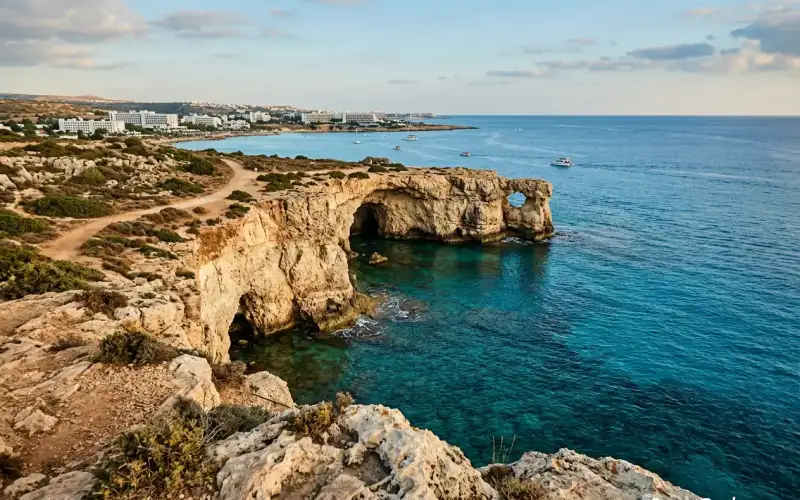
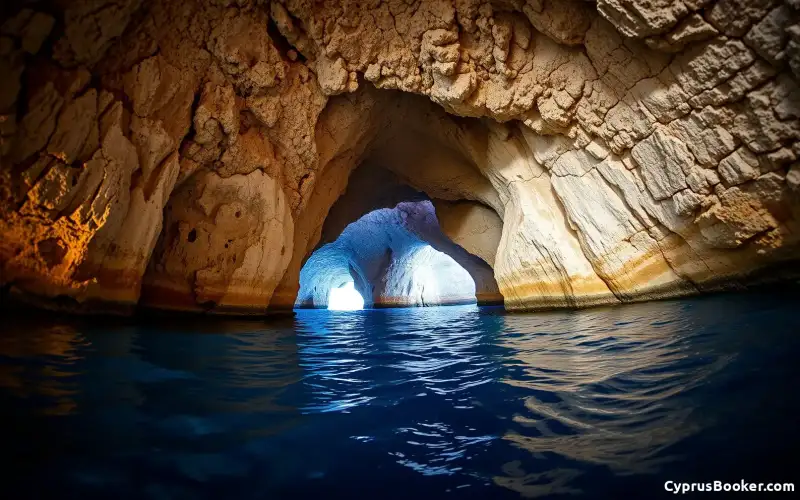
This is the southeastern tip of Cyprus. Dramatic limestone cliffs, sea caves, and walking trails. The main trail is 4 miles return, mostly flat, mostly shaded. You'll see sea caves, a lighthouse, and views across to the Famagusta coast. The water is deep and clear — if you're a decent swimmer, you can jump from rocks (carefully). There are two proper beaches within the park: Konnos and Glystra.
It's technically a national forest park, but it feels wild. You might see goats, definitely see lizards, occasionally see birds of prey. The light is extraordinary — the cliffs are white limestone, the sea is turquoise, and the contrast is almost artificial.
What It Delivers
Scenery, walking, and swimming without leaving the Ayia Napa area. It's genuinely beautiful. The trails are easy enough for most fitness levels. You can do a 2-hour walk and a swim for the cost of petrol. It's excellent value.
The Friction
It's only a day trip if you have 4–5 hours free. If you're based in Ayia Napa and want a full day elsewhere, this isn't it. There are no restaurants in the park — bring water and snacks. Parking can be tight on weekends. The caves are interesting to photograph but not to enter (they're shallow and not particularly historic).
Who It's For
Walkers, swimmers, photographers. Families wanting a low-effort nature experience. Groups of mates after a scenic walk and a swim. Not ideal if you want restaurants, history, or a long drive to justify the effort.
6. Lefkara — Lace Village and Mountain Scenery, 35 Miles Away
Lefkara is 35 miles southwest of Ayia Napa. Drive time: 55 minutes. Cost: £10–12 fuel, or £28–35 on a tour.
Lefkara is famous for lace — Lefkaritika — handmade lace that's been produced here for centuries. The main street is lined with shops selling lace tablecloths, doilies, and traditional crafts. It's touristy, but the village itself is genuinely charming: narrow stone streets, a central square, tavernas serving traditional food.
The village sits at 2,000 feet, so it's cooler than the coast. There's a small Folk Art Museum (entry £2) and a silverware tradition alongside the lace. Lunch in a taverna costs £10–14 per head. You can spend 3–4 hours here comfortably: walk the streets, buy lace if you want to, eat, and leave.
What It Delivers
Authentic village life with a craft tradition. It's prettier than it is historically significant, but it's genuinely attractive. The lace is real craftsmanship — if you buy it, you're supporting actual artisans, not a factory. The food is traditional and good value.
The Friction
It's touristy. The lace shops can feel pressured. There's not much to do beyond walking, eating, and shopping. The drive is reasonably long for what you get. If you're not interested in traditional crafts, the appeal fades quickly.
Who It's For
Families, couples after a relaxed afternoon, anyone interested in traditional crafts. Not ideal for groups of mates or those wanting action. Solo travellers will find it pleasant but quiet.
The Ranking Explained
Famagusta ranks first because it's genuinely unique — you won't see anything like it elsewhere, and the effort of the checkpoint crossing actually adds to the experience rather than detracting from it. Troodos ranks second because the temperature drop and landscape change deliver real value, and the hiking is solid. Larnaca ranks third because it's easy, underrated, and genuinely pleasant without requiring a huge time commitment.
Nicosia ranks fourth because it's intellectually interesting but politically heavy and requires a longer commitment. Cape Greco ranks fifth because it's excellent but only works if you have time to kill in Ayia Napa — it's not worth planning a day around. Lefkara ranks sixth because while it's pretty, it's the least distinctive and the most obviously touristy.
Practical Notes
Self-drive costs roughly £10–15 per trip in fuel. Tour coaches cost £25–40 per person and include a guide, but you lose flexibility and spend time with 40 other tourists. For Famagusta and Nicosia, you need a valid passport. For everywhere else, your driving licence is fine.
Book accommodation-based tours through your hotel — they're cheaper than street-level operators. Alternatively, rent a car (£20–30 per day) and go independently; you'll save money and have more control. Bring water, sunscreen, and a hat. Roads are good; driving is straightforward. GPS works everywhere except in some mountain villages.
The best time to do these trips is May, June, September, or October — warm enough to swim, cool enough to walk. July and August are too hot for serious walking; stick to Larnaca or Troodos if you go in summer. Winter (November–February) is mild but can be rainy; Troodos is occasionally inaccessible due to snow.
Most day trips work best on a Tuesday or Wednesday — weekends are busier, especially Troodos and Lefkara. Book restaurants in advance if you're going to Troodos or Lefkara; casual drop-ins can mean 30-minute waits. Everywhere accepts card payments now, but carry cash for small purchases and tips.
I've done all these trips multiple times. Famagusta still feels strange every time I cross that checkpoint. Troodos never gets old — the temperature drop alone makes it worth it. Larnaca is underrated; most tourists miss it entirely. Nicosia is intellectually fascinating but exhausting. Cape Greco is perfect for a half-day. Lefkara is fine if you're interested in lace, pointless if you're not.
Pick based on your mood, not the guidebook. If you want drama, go to Famagusta. If you want to escape heat, go to Troodos. If you want easy, go to Larnaca. If you want to understand Cyprus, go to Nicosia. If you want scenery, go to Cape Greco. If you want to buy a tablecloth, go to Lefkara.

Comments (4 comments)