Last summer I watched a coach full of tourists sit in traffic for ninety minutes on the way to Famagusta, only to spend forty minutes at the actual destination before heading back. They'd paid £45 each for an organised tour. I'd driven there myself that morning in the hire car, parked for free, spent three hours wandering the old town at my own pace, and spent £12 on fuel. The difference between a rushed tick-box excursion and a proper day out often comes down to planning, not money.
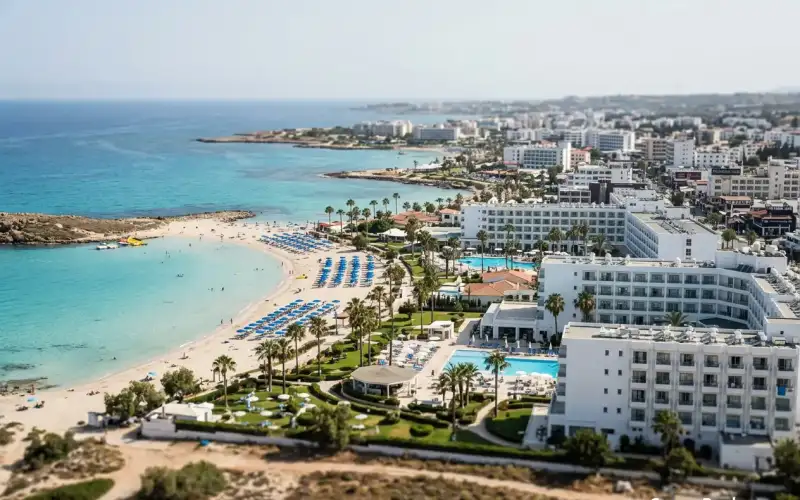
Ayia Napa sits in the far southeast corner of Cyprus, which is both its blessing and its curse. You're close to some genuinely interesting places – the walled city of Famagusta is 40 miles away, the Troodos Mountains are 60 miles inland, the capital Nicosia is 50 miles north. But that distance means day trips need realistic timing, and the choice between independent travel and organised tours actually matters. This guide covers the seven day trips worth taking, what they cost, how long they really take, and whether you should book a coach or hire a car.
Famagusta: The Ghost Town That's Worth Three Hours
Famagusta is the obvious first choice, and for once the obvious choice is the right one. The walled old town is genuinely unusual – a medieval Venetian fortress with narrow streets, crumbling churches, and the eerie Varosha district beyond the UN buffer zone, frozen since 1974. You can see it from the seafront, a sprawl of abandoned hotels and apartment blocks that looks like a film set.
The independent option works well here. Rent a car from Ayia Napa (£25–35 per day from the smaller firms on Nissi Avenue) and drive north through Protaras and Paralimni. The drive takes 50 minutes on the main road, longer if you take the coastal route through Kapparis. Parking in Famagusta is free or costs £1–2 in the modern town. You can park near the old town walls and walk in.
What you'll actually do: Start at the Lala Mustafa Pasha Mosque (the converted St Nicholas Cathedral – entry free, but dress respectfully). Walk the walls if you're fit; they're 3 miles around and take about ninety minutes. The streets inside are walkable in three hours if you're not rushing. The Othello Tower, the Venetian Palace ruins, the old market – all free or under £2 to enter. Grab lunch at one of the three or four tavernas still operating in the old town; expect £8–12 for a main course. The viewpoint near the Citadel gives you the best view of Varosha across the buffer zone.
Organised tours cost £35–50 per person and typically include hotel pickup, a guide for two hours, and a return drive. You'll see less and spend more time on the coach. The only advantage is if you're nervous about driving on the left or don't want to navigate. But honestly, the roads here are straightforward.
Timing: 4–5 hours on the ground, plus 1.5 hours driving. Leave Ayia Napa by 8 a.m., back by 3 p.m.
Cost (independent): £28–35 fuel and parking, £10–15 food. Total: £40–50.
Cost (organised tour): £40–50 per person.
Troodos Mountains: The Only Place Where It's Actually Cool
If you go to Cyprus in July or August and don't escape the coast, you'll spend the whole time uncomfortable. The Troodos Mountains are 4,000 feet high, and the temperature drops by about 15 degrees Celsius. It's the only genuinely refreshing day trip from Ayia Napa, and it's worth doing even if you're not a hiking person.
The drive is long – 60 miles inland, roughly ninety minutes – but it's scenic. You'll pass through Larnaca, then head west through Athienou and Kofinou before climbing into the foothills. The main resort village is Platres, which sits at 4,300 feet and has a few tavernas, a small hotel, and a general sense of being in a different country.
Independent travel here means hiring a car. The mountain roads are decent, but they're narrow and winding, so allow extra time. Once you're up there, there's no public transport worth using, so you need your own wheels. Parking is free everywhere. The village of Omodos, 20 minutes south of Platres, is famous for its wine and its monastery. You can visit the Omodos Wine Museum (£3 entry, honest to god) or just sit in a taverna and drink the local stuff. A glass of Cypriot red costs £2–3.
Organised tours run from £40–65 per person and include the drive, a guide, and usually a stop at a winery or village. They're popular with older couples and family groups. The advantage is that someone else drives the winding mountain roads, and you get commentary. The disadvantage is the fixed itinerary and the inevitable gift-shop stop.
What's actually worth doing: The walk from Platres to the Millomeris waterfall is about 45 minutes each way and genuinely pleasant. The viewpoint near the Troodos Hotel (the old government retreat) looks out over the whole island on a clear day. The Kykkos Monastery, further north, is one of the wealthiest and most important in the Orthodox world – it's open 10 a.m. to 4 p.m., costs £3 to enter, and is genuinely impressive if you're interested in religious art and architecture.
Timing: 1.5 hours driving each way, 3–4 hours on the ground. Leave Ayia Napa by 7 a.m., back by 5 p.m.
Cost (independent): £40–50 fuel, £15–20 food. Total: £55–70.
Cost (organised tour): £45–65 per person.
Nicosia: The Last Divided Capital in Europe
Nicosia is the capital, split between the Republic of Cyprus in the south and the Turkish Republic of Northern Cyprus in the north. The UN buffer zone runs through the middle. It's politically tense in a quiet way, architecturally interesting, and absolutely not a beach resort – which is exactly why it's worth visiting.
The drive from Ayia Napa is 50 miles, about 70 minutes on the main highway. You can park in the modern town for £1–2 or use the free car park near Eleftheria Square. The old walled town (Lefkosia) is walkable in three hours if you're moving steadily, longer if you stop for lunch.
The Venetian walls are the main structure – you can walk sections of them, and they're genuinely impressive. The Selimiye Mosque (the converted St Sophia Cathedral) is the architectural centrepiece, open to visitors for £2. The Lace Museum, the Byzantine Museum, the Leventis Museum – there are actual museums here, not just tourist shops. Budget £3–5 per museum. The Ledra Street crossing is where you can actually walk from the Republic side into the Turkish side, if you have a valid passport. It's surreal – you walk through a UN checkpoint and you're in another country. Most people find it more interesting than Nicosia itself.
Organised tours are less common here because it's not a coach-friendly destination. If you book one, expect £40–55 per person with a guide. Independent travel is better – you can move at your own pace and spend time in the cafés, which is where Nicosia actually happens.
Timing: 1.5 hours driving each way, 3–4 hours on the ground. Leave Ayia Napa by 8 a.m., back by 4 p.m.
Cost (independent): £35–45 fuel and parking, £12–18 food and entry fees. Total: £50–65.
Cost (organised tour): £40–55 per person.
Larnaca Salt Lake: The Flamingo Pink Water
This is a short trip – only 20 miles from Ayia Napa, 25 minutes by car – but it's genuinely worth doing if you're interested in wildlife or just want a change of scenery. The salt lake turns pink in summer because of algae and brine shrimp, and it attracts thousands of flamingos in winter and spring.
You can drive yourself easily. Parking is free. There's a walking path around the lake (about 45 minutes for a full loop) and a couple of basic tavernas nearby. The lake is shallow and you can't swim in it – it's too salty – but you can walk along the shore. It's peaceful and genuinely different from the beach resort atmosphere of Ayia Napa.
The timing makes this work as a half-day trip. Leave Ayia Napa at 9 a.m., spend two hours at the lake, have lunch at one of the nearby tavernas, and be back by 1 p.m. Organised tours are less common here, but some operators include it as part of a longer itinerary. Honestly, you don't need a tour – it's straightforward enough to do alone.
Timing: 25 minutes driving each way, 2–3 hours on the ground.
Cost (independent): £6–8 fuel, £8–12 food. Total: £14–20.
Cape Greco: The Cliffs and the Sea Cave
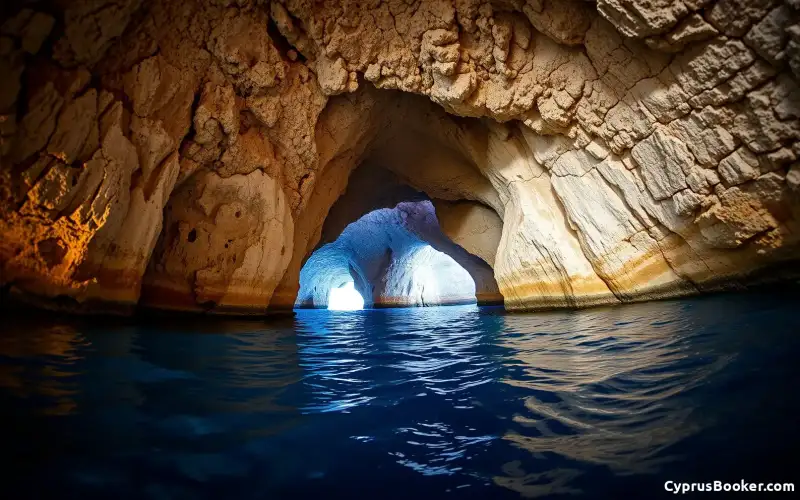
Cape Greco is the southeastern tip of Cyprus, about 10 miles from Ayia Napa. It's a national park with cliffs, a small sea cave, and a lighthouse. You can drive to a car park near the top (free parking) and walk to the viewpoints – it takes about 30 minutes to reach the best views, and another 20 minutes to get down to the cave if you're reasonably fit.
This is genuinely worth doing as a morning or afternoon trip. The views are excellent, the walk is manageable, and it costs almost nothing. The only organised tours that include Cape Greco are the longer boat trips that leave from the harbour – these cost £25–40 per person and combine the cape with a swim stop and sometimes a visit to the Blue Lagoon.
Timing: 15 minutes driving each way, 1.5–2 hours on the ground.
Cost (independent): £2–3 fuel. Total: £2–3.
Blue Lagoon and Boat Trips: The Tourist Trap That's Actually Worth It
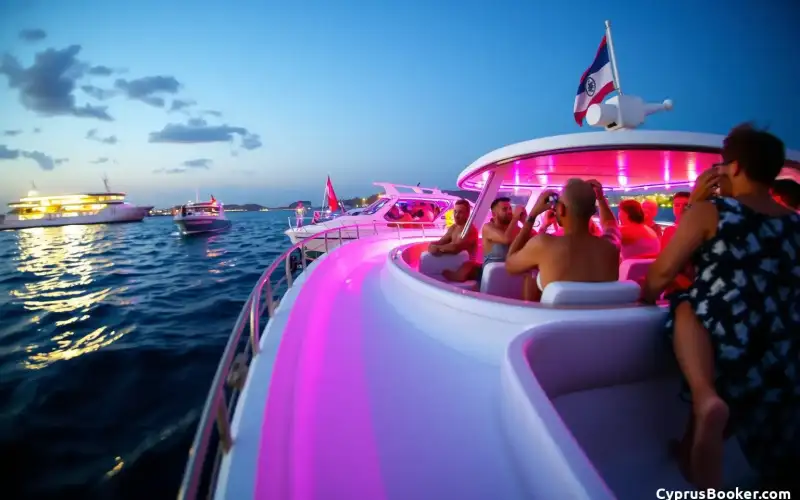
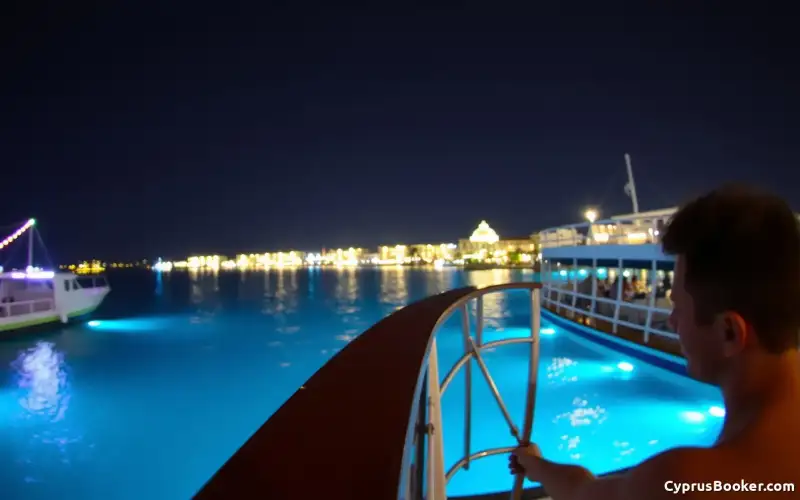
The Blue Lagoon is a shallow bay with turquoise water on the north coast, near the Karpas Peninsula. You can't drive there – you need a boat. Most people book an organised boat trip from Ayia Napa harbour, which costs £30–45 per person and includes a few hours at the lagoon, a swim, and usually lunch.
These trips are popular, and for once, the organised option is genuinely the best option. You don't have the hassle of driving, the boat does the work, and you get a day on the water. Most boats leave at 9 a.m. and return by 4 p.m. The water is genuinely beautiful – it's one of the few places in Ayia Napa where the tourist brochure photos actually match reality.
The only catch is that these trips are busy, especially in summer. If you want a quieter experience, book for a weekday rather than a weekend, or go in May or September when it's warm but less crowded. Some operators offer smaller boat trips for £40–60 per person with fewer people – worth the extra cost if you're not keen on crowds.
Timing: 7 hours total, including travel and swimming.
Cost: £30–60 per person, usually including lunch.
Paralimni and Protaras: The Quieter Coastal Option
If you want a day trip that doesn't involve driving far or spending a lot, Paralimni and Protaras are worth considering. They're 15 and 20 miles from Ayia Napa respectively, small towns with beaches, fish tavernas, and a fraction of the noise and drunkenness of Ayia Napa itself. Protaras has a church on a rock in the sea (the Church of Profitis Elias) which is genuinely picturesque.
You can drive there in 20–30 minutes, park for free or £1–2, and spend a day swimming, eating fish, and reading a book. There's no need for an organised tour – just go. The tavernas are honest and cheap – expect £10–15 for grilled fish and salad.
This works well as a day trip if you want to escape Ayia Napa but don't have the energy for a long drive. It's the kind of trip that doesn't sound exciting until you're actually doing it, and then you wonder why you didn't do it earlier.
Timing: 20–30 minutes driving each way, 5–6 hours on the ground.
Cost (independent): £8–12 fuel, £15–20 food. Total: £23–32.
When to Book Tours vs Go Independent
The choice between organised tours and independent travel depends on three things: confidence, time, and money.
Book a tour if: You're nervous about driving on the left, you don't have a driving licence, or you want to maximise time on the ground without worrying about navigation. Tours are worth it for the Blue Lagoon, where you need a boat anyway, and for the Troodos Mountains if you're uncomfortable with winding mountain roads.
Go independent if: You're renting a car anyway, you want to move at your own pace, or you're travelling in a group where the per-person cost of a car is lower than a tour. Independent travel is better for Famagusta, Nicosia, and Larnaca salt lake.
One practical note: if you're booking tours, book them the day before or the morning of, not weeks in advance. Prices drop if you book late, and you'll avoid the worst of the coach tours with their fixed itineraries and gift-shop stops. The best tours are often the small operators with five or six people, not the big companies with 40-person coaches.
The season matters too. In July and August, everything is busy and hot. May, September, and October are better – warm enough to swim, cool enough to walk around without melting, and fewer tourists. Winter is quiet but some smaller attractions close or have reduced hours.
None of these trips requires expensive equipment or specialist knowledge. You need a car, a map or GPS, sunscreen, and water. The roads are decent, the driving is straightforward, and the worst that happens is you take a wrong turn and add 20 minutes to your journey. That's not a disaster – it's how you find the places that aren't in the guidebooks.

Comments (4 comments)