
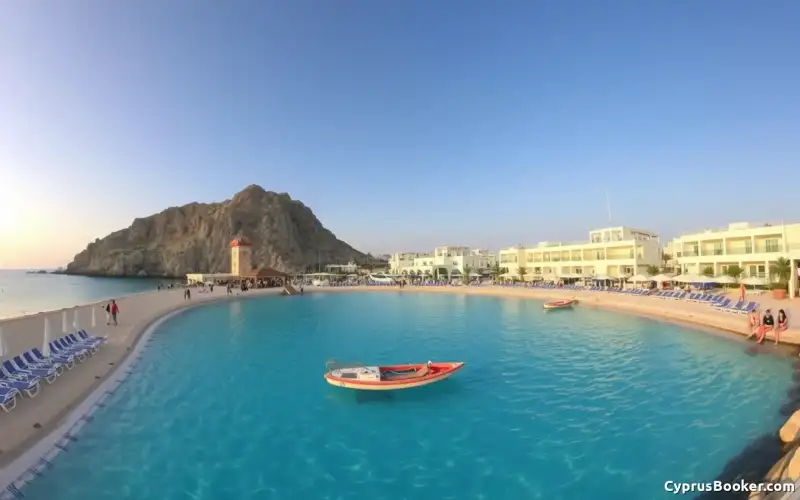
Last August, I watched my eldest spend forty minutes trying to get the perfect sunset shot at Blue Lagoon while my youngest built sandcastles that nobody was there to admire. That's when it hit me: these two beaches aren't actually the same experience, no matter how similar they look on Instagram. One's a genuine hidden gem. The other's become something else entirely.
Cape Greco's two most photographed spots sit just a few kilometres apart, but they've evolved into completely different propositions in 2026. If you're planning a Cyprus trip and trying to decide which one deserves your petrol money and your morning, this comparison should save you from a few disappointments.
Overview: What You're Actually Choosing Between
Konnos Beach and Blue Lagoon both sit within the Cape Greco area, roughly 15 minutes' drive from central Ayia Napa depending on traffic. Both have turquoise water that genuinely looks photoshopped. Both are surrounded by dramatic red-and-white cliffs that make every phone picture look like a travel magazine spread. Both attract serious snorkellers and casual swimmers in equal measure.
But here's where they diverge. Konnos has become the more developed of the two, with established facilities, a beach bar, sunbeds for rent, and proper parking infrastructure. Blue Lagoon remains more raw, more secluded, and—honestly—more temperamental about who gets a good experience there.
The drive to either involves heading southeast from Ayia Napa town centre along the coastal road. You'll pass through Protaras first, then continue towards Cape Greco National Forest Park. Both beaches sit within or adjacent to the park boundary, which means certain restrictions apply year-round. No jet skis. No loud music systems. No glass bottles. These rules actually make both places nicer than they'd otherwise be.
Konnos Beach: The More Accessible Option
Getting There and Parking
Konnos has the easier access of the two. There's a proper car park about 150 metres from the beach—not walking distance for families with toddlers and beach gear, but manageable. The car park holds maybe 80-100 vehicles, and in peak summer (July-August), it fills up by 10am most days. That's not a scare tactic; that's just reality. If you're going in June, September, or shoulder months, you'll find space easily.
The walk from the car park to the beach is straightforward, paved most of the way, with a final descent of about 30 steps. No scrambling over rocks, no dodgy paths. My kids manage it without complaint, which tells you something.
Cost is €2 for parking, valid all day. There's a small kiosk that takes cash or card. The road in is well-signposted from the main coastal route, and Google Maps gets you there without drama.
Facilities and What's Actually There
Konnos has a beach bar called Konnos Beach Bar that opens from around 9am through sunset. They do coffee, cold drinks, snacks, and proper meals. Prices are reasonable—a coffee is €2.50, a souvlaki around €8. They rent sunbeds (€5 per bed) and umbrellas (€3), so if you haven't brought your own, you're covered.
There's a shower block near the beach entrance, basic but functional. A few beach vendors walk the sand selling inflatables, ice cream, and jewellery—standard Cyprus beach stuff. The beach itself is sandy, about 80 metres long, backed by those famous cliffs with small caves visible in the rock face.
Snorkelling and Water Conditions
Konnos is legitimately good for snorkelling. The water clarity is excellent most days, and there are rocks on both sides of the beach that attract small fish—mostly small schooling fish, the occasional grouper, and loads of sea urchins (so wear shoes). You can snorkel right from the beach without needing a boat. Depth drops gradually, so it's safe for less confident swimmers.
The water temperature in summer 2026 averages 27°C, which means you don't need a wetsuit unless you're sensitive to cold. Current is usually minimal, but check conditions on arrival. The seabed is sandy with rocky outcrops, not a dramatic reef system, but perfectly decent for a couple of hours of exploring.
Blue Lagoon: The Rawer, More Dramatic Alternative
Access and the Honest Parking Situation
Blue Lagoon is trickier. There's no dedicated car park. You park on a dirt road that branches off the main coastal route, and it's genuinely not obvious unless you know what you're looking for. The signage is minimal, and Google Maps sometimes takes you to the wrong spot. I've watched families drive past three times before finding it.
Once parked, you walk about 250 metres down a rocky path with a moderate descent. It's not dangerous, but it's not paved. Wear proper shoes—flip-flops are a gamble. The walk takes 5-10 minutes depending on fitness and how much gear you're carrying. For families with young kids or anyone with mobility concerns, this is genuinely inconvenient.
Parking is free, which is the only advantage. But the road is narrow, and in August when everyone's trying to visit, it becomes a bit of a car park itself. I've seen people give up and leave because there was nowhere to stop.
The Beach Itself and What Makes It Special
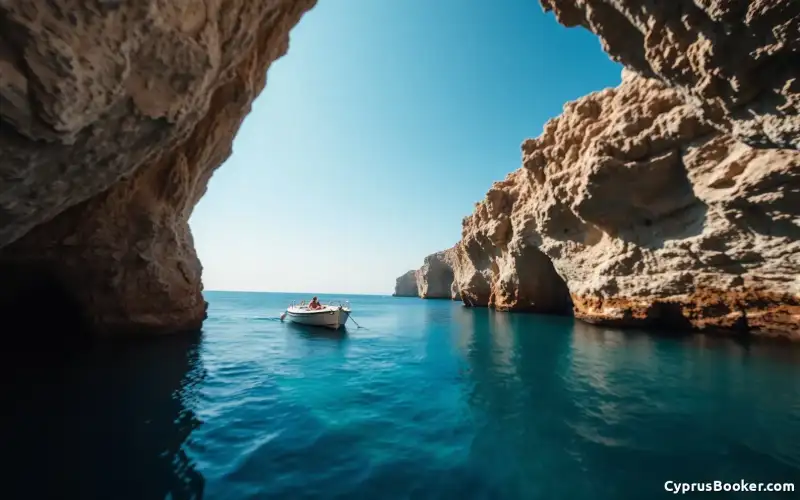
Blue Lagoon is smaller than Konnos—maybe 40-50 metres of actual sand. The water is, objectively, slightly more turquoise. The cliffs are taller and more dramatic. There are no facilities whatsoever. No bar, no sunbeds, no showers, no vendors. You bring what you need or you go without.
That rawness is exactly why some people love it. There's no commercialisation, no beach bar blasting music, no sunbed rental empire. It feels genuinely undiscovered, even though it's not. The Instagram appeal is genuine—the light hits those cliffs in a particular way in late afternoon that makes every photo look professional.
The beach is quieter than Konnos, usually, but that's partly because fewer people can be bothered with the access. In peak season, you might still find 30-40 people there, which doesn't sound like much until you realise the beach is tiny and they're all trying to get the same shot.
Snorkelling at Blue Lagoon
Snorkelling here is excellent. The water clarity is marginally better than Konnos, and there are more interesting rock formations to explore. You can see further out, and the seabed drops more steeply, which means deeper water and potentially more varied fish species. The rocks here are sharper, so water shoes are essential, not optional.
Current can be stronger than at Konnos, depending on wind direction. On calm days, it's perfect. On days when there's even a gentle southwesterly, the current becomes noticeable. Check conditions before you commit to a long snorkel.
The Honest Comparison: Crowds, Conditions, and Instagram Reality
Which Gets More Crowded?
Konnos, definitely. The parking, the facilities, and the easier access mean more people. On an average July day, you're looking at 100-150 people. Blue Lagoon typically has 30-60, but the beach is smaller, so it feels more crowded than those numbers suggest.
If your priority is solitude, Blue Lagoon wins. If your priority is not spending an hour looking for a parking spot, Konnos wins.
Photography and Instagram Appeal
Both are genuinely photogenic. Konnos has more people in the background, which some see as authentic and others find annoying. Blue Lagoon's smaller size and dramatic cliffs create more striking compositions, but you're fighting for angles with other photographers.
The light is best at both locations in late afternoon, roughly 5-7pm. Morning light is harsher and less flattering. If you're serious about photos, go late and accept that you'll be sharing the space with sunset chasers.
Who Each Beach Is Actually For
Konnos Works Best If You Have:
- Young kids who need facilities and easy access
- Limited mobility or anyone who finds rocky paths difficult
- A desire to stay for the whole day without bringing a full picnic
- Confidence in finding parking without stress
- An interest in snorkelling but not rock scrambling to get there
Blue Lagoon Is Better If You:
- Don't mind a bit of effort for fewer crowds
- Want genuine drama and raw beauty over convenience
- Are serious about photography and willing to time your visit carefully
- Prefer snorkelling in slightly deeper, more interesting water
- Can handle the access challenges without complaint
Practical Details That Actually Matter
Both beaches are open year-round. Summer water temperature (June-September) averages 26-28°C. Winter (December-February) drops to 16-17°C, which requires a wetsuit for comfort. Spring and autumn are genuinely pleasant—warm enough for swimming, cool enough that you're not melting on the sand.
Best time to visit either is May, June, September, or October. July and August are hottest and most crowded. You'll see both beaches at their best in September, when the summer crowds have thinned but the water is still warm.
Bring water, sunscreen, and a hat. Neither beach has shade except the cliffs, and the cliffs don't move with the sun. Reef shoes or water shoes are essential for both—the rocks are sharp and sea urchins are present.
Neither beach has lifeguards, so swim at your own risk. Both are generally calm in summer, but conditions can change. Check the weather before you go.
The Verdict: Which One Wins?
There's no single answer because it depends on what you actually want. If I'm honest—and that's the whole point of this—Konnos is the better choice for most people visiting Cyprus with family. The access is easier, the facilities make a real difference when you're there for hours, and the snorkelling is genuinely good without requiring a scramble to reach it.
Blue Lagoon wins if you're willing to trade convenience for authenticity and drama. It's a better photo opportunity, it's genuinely quieter, and the snorkelling is marginally better. But you need to be prepared for the access challenges and the complete absence of facilities.
My honest take after three summers of dragging my kids to both? I usually choose Konnos because I'm tired and I want coffee. But when I have the energy and the light is right, Blue Lagoon reminds me why we come to Cyprus in the first place. The cliffs, the water, the quiet—it's properly stunning.
Neither is a waste of time. Both deliver on the promise of Cape Greco. You just need to know what you're signing up for before you drive out there.
Comments (7 comments)