
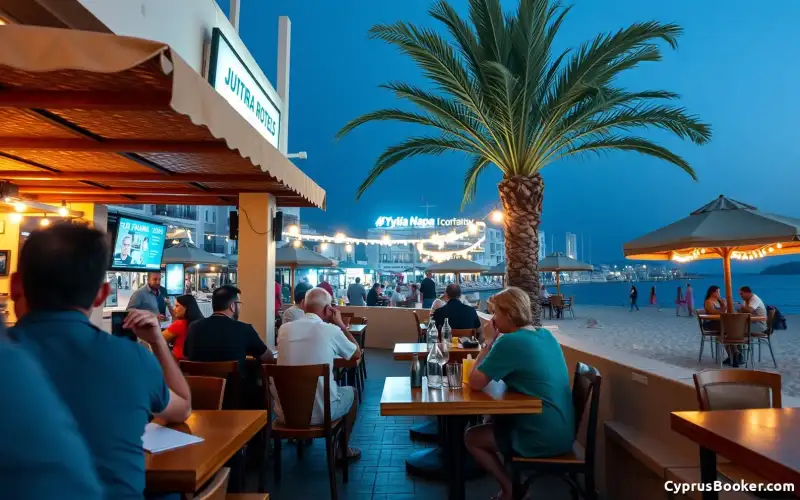
Three years ago I watched a British couple at a beachfront taverna order the most expensive fish on the menu without asking the price. When the bill arrived—€95 for a 400g sea bream—they nearly choked on their wine. That's the Ayia Napa restaurant trap in one anecdote. The town sprawls across 10 square miles of bars, clubs and eating spots, and the gap between a solid €12 meze plate and a €60 tourist trap is razor-thin. This guide cuts through the noise.
The Ayia Napa Restaurant Landscape in 2026
Ayia Napa has roughly 180 registered restaurants and tavernas, though that number swells to 250+ when you count seasonal beach bars and pop-ups. The split is roughly 40% traditional Cypriot, 35% international chains and tourist-focused spots, and 25% boutique restaurants opened by actual chefs in the last five years. The town's restaurant scene has shifted noticeably since 2023. Gone are the days when every other place served the same frozen moussaka. Now you've got proper food writers opening places, local families running three-generation tavernas, and yes, still plenty of mediocre tourist traps.
Prices vary wildly. A meze for two at a proper family taverna runs £18–£24. A main course at a mid-range restaurant sits at £12–£18. Fine dining—the handful of places worth the money—runs £35–£65 per head before wine. The harbour area and the main strip (Nissi Avenue) are where you'll pay premium prices. Back streets like Leoforos Griva Digeni and the old town near the monastery hold better value.
Traditional Tavernas: Where Locals Actually Eat
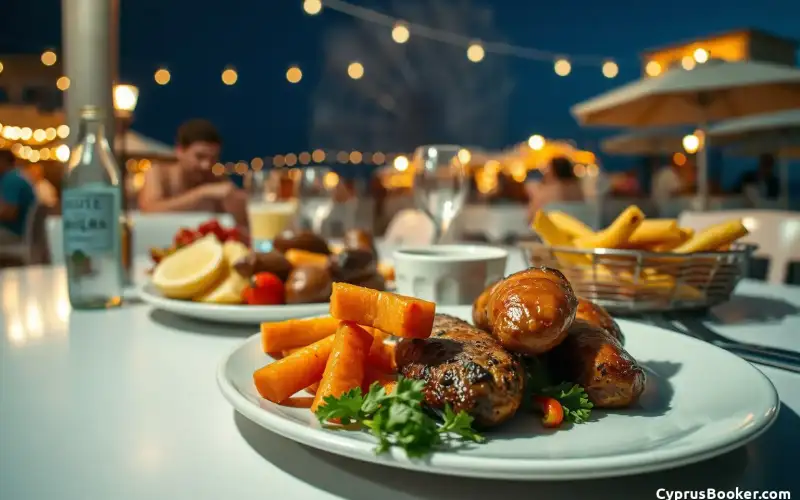
If you want to understand Ayia Napa properly, skip the neon-lit seafront and head to a proper taverna. These places open at noon, close at midnight, serve meze and grilled fish, and have been run by the same family since the 1980s. The meze—small plates of dips, grilled halloumi, lamb keftedes, saganaki, calamari—is the backbone of Cypriot eating. A meze for two costs £20–£28 and comes with bread and wine. It's designed for sharing, conversation and time.
The best traditional tavernas cluster in three areas. The old town, near the monastery, has Taverna Nisiotiko (been there since 1985, meze for two £24, closed Mondays) and Taverna Christos (family-run, excellent grilled octopus at £14 per portion). Leoforos Griva Digeni, the main drag heading inland, has Taverna To Perivoli (garden setting, meze £22, slow service but worth it) and Taverna Kypriaki (no-frills, portions huge, meze £18). The harbour has pricier versions—Taverna Thalassa charges £35 for a meze because of the view—but the food quality doesn't match the premium.
What makes a good traditional taverna? Simple test: Are locals eating there at 8pm on a Wednesday? Do they serve meze as the main offer, not as an afterthought? Is the wine house wine, not expensive bottles? Do they grill fish fresh, not frozen? If yes to three of four, you've found a winner.
The Meze Ritual
Meze isn't fast food. Plates arrive in waves—first the dips (tzatziki, melitzanosalata, taramosalata), then grilled items, then fried. This takes 45 minutes. Don't rush it. Order a carafe of house wine (£6–£8 for a litre), bread, and sit. The ritual is the point. Most tavernas will throw in a complimentary dessert—usually loukoumades (honey donuts) or spoon sweets—and coffee. Budget £25–£30 per person including wine.
Grilled Fish and Seafood
Ayia Napa's harbour means fresh fish, theoretically. In practice, many restaurants buy from the same suppliers and freeze stock. The honest places price by weight and show you the fish before cooking. Sea bream (tsipoura) costs £18–£26 per kilo. Sea bass (lavraki) runs £20–£28 per kilo. A 400g fish feeds one person and costs £8–£12. Grilled octopus is safer—harder to freeze badly—and costs £14–£18 per portion. Shrimp saganaki (fried in tomato and cheese) is reliable at £16–£22.
Where to eat it? Taverna Thalassa (harbour, pricey but consistent), Taverna Christos (old town, honest pricing), and the smaller family places on the back streets. Avoid anywhere that doesn't show you the fish or quotes prices without specifying weight.
Meze Houses and Casual Dining
Between the traditional taverna and the tourist restaurant sits the meze house—a hybrid that's become popular in Ayia Napa since 2022. These places serve meze but also burgers, pasta, salads and international dishes. They're faster than tavernas (20–30 minutes), less pretentious than fine dining, and usually good value. The best ones source decent ingredients and don't pretend to be something they're not.
Meze House Ayia Napa (Leoforos Griva Digeni) does a solid £14 meze for one, with halloumi, keftedes, calamari and dips. Portions are smaller than a traditional taverna but prices reflect that. The House (near the harbour) offers a similar model at slightly higher prices (£18 meze for one). Both places serve wine by the glass (£3–£4) and coffee properly.
The advantage of meze houses is flexibility. You're not committed to a two-hour meze ritual. You can order one meze plate, a grilled fish, and a salad and eat in 45 minutes. They're ideal for families with kids, groups splitting bills, and anyone not in the mood for a long meal.
Budget-Friendly Options
Kebab shops line Nissi Avenue and the main strip. Most serve döner kebab (£4–£6), chicken souvlaki (£5–£7), and chips. They're not fine dining, but they're honest food at honest prices. Souvla House does a reliable chicken souvlaki for £6. Kebab King is identical to every other kebab shop but consistent. These places are where you eat at 2am after clubbing, not where you take your partner for dinner.
Budget restaurants also cluster near the bus station and old town. Taverna Kypriaki (mentioned above) serves a grilled chicken breast, salad and chips for £9. Taverna Nisiotiko does a lamb chop plate for £11. These aren't tourist traps—they're where construction workers and taxi drivers eat lunch. The food is basic but honest.
Mid-Range Restaurants: Where Value Lives
The sweet spot for eating well in Ayia Napa is £15–£25 per head. At this price, you get proper cooking, fresh ingredients, decent wine, and service that doesn't rush you. These restaurants aren't famous but they're consistent. Many are run by chefs who trained elsewhere and came back to Cyprus, or by families who've modernised their approach without losing identity.
Taverna Tou Skoupa (old town, no English menu, that's a good sign) serves grilled lamb chops, village salad and chips for £16. The lamb is from local farms, not frozen imports. Taverna O Fournos does souvlaki and grilled fish at similar prices with a slightly more modern setting. Both places attract locals and tourists equally—a reliable indicator of value.
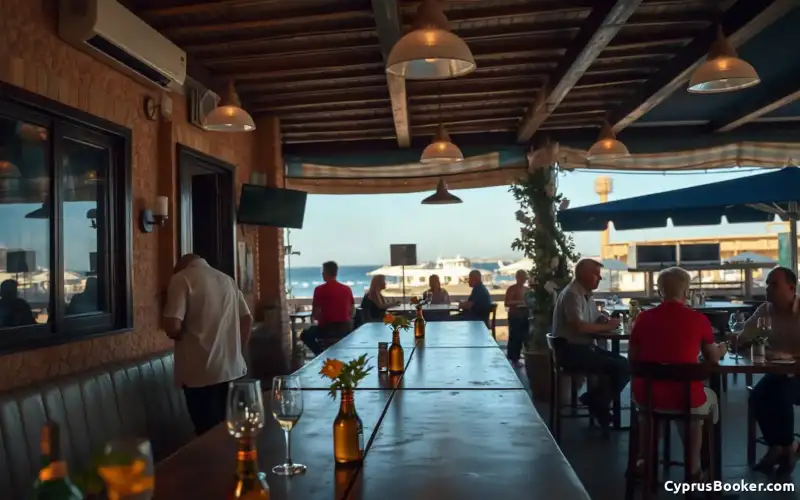
The harbour has mid-range options too, though prices creep up 20–30% for the view. Taverna Thalassa's meze costs £32 instead of £22 inland. But if you're eating once in Ayia Napa, the harbour at sunset is worth the premium. Book a table for 7pm, order the meze, and don't check your watch.
International Cuisine at Mid-Range Prices
Pizza, pasta, and steaks are available throughout Ayia Napa. Quality varies wildly. Pizza Hut and Domino's exist (avoid them—you didn't fly to Cyprus for chain pizza). Independent Italian restaurants are hit-and-miss. Pasta Fresca (near the old town) does decent carbonara and bolognese for £11–£14. The pasta is cooked properly and portions are generous. Taverna Italiano (harbour area) charges £16–£20 for similar dishes with a sea view.
Steakhouses cluster near the harbour and main strip. Most import beef from Argentina or Australia and charge £28–£40 for a 300g steak. The cooking is usually reliable—hard to mess up a steak—but you're paying for the location and atmosphere, not the meat quality. If you want steak, eat it at a proper restaurant, not a tourist trap charging £35 for a mediocre sirloin.
Fine Dining: The Few Worth Your Money
Ayia Napa isn't a fine dining destination. It's a beach and nightlife town. But three or four places operate at a proper restaurant standard—trained chefs, seasonal menus, attention to detail, wine lists that go beyond house wine. These places cost £40–£65 per head and are worth it for a special occasion.
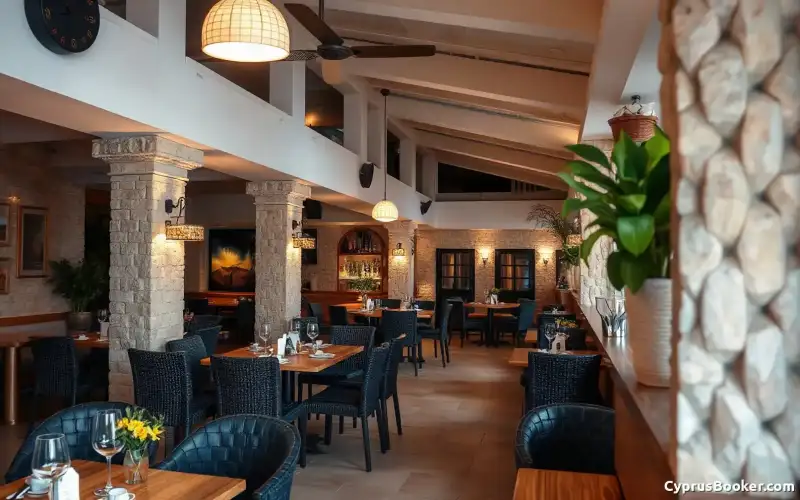
Mylos (old town, overlooking the monastery) is the most established fine dining spot. Chef-owner Christos trained in Athens and London, and it shows. The menu changes seasonally but always features Cypriot ingredients cooked with European technique. A three-course meal costs £45–£55. The wine list includes proper Cypriot wines (Ktima Tsiakkas, Vlasides) at reasonable markups. Booking is essential; they close Mondays.
Taverna Thalassa's fine dining wing (separate from the casual meze area) offers a similar model at similar prices. The difference is Mylos feels like a proper restaurant; Taverna Thalassa feels like a taverna with ambitions. Both are good—it depends on atmosphere preference.
The third option is seasonal pop-ups and guest chef events. In summer 2026, a chef from Limassol ran a pop-up series at various venues. These are harder to predict but worth following local food blogs for.
What Fine Dining Gets You
At £50 per head, you get proper cooking, better ingredients, trained service, and atmosphere. You don't get Michelin-star food or London prices—Ayia Napa's economy doesn't support that. But you get food cooked by someone who cares, wine poured by someone who knows wine, and a meal that takes two hours without feeling rushed. That's worth the money once during a week-long holiday.
Practical Tips: Eating Out Without Getting Ripped Off
Ayia Napa's reputation for tourist overcharging is partly deserved. The difference between a good meal and a bad one often comes down to knowing where to look and what to avoid.
Location Strategy
The harbour and Nissi Avenue are premium-priced zones. Restaurants here charge 30–50% more for identical food because of location. If you want value, eat one meal on the harbour for the experience, then head inland. Leoforos Griva Digeni, the old town, and the back streets near the bus station have better prices and often better food.
Timing and Seasons
Summer (June–August) prices are 20% higher than winter. Restaurants know tourists are here and adjust accordingly. If you're visiting in May or September, you'll eat better for less. Lunchtime is cheaper than dinner—same food, 15–20% lower prices. Weekday meals are cheaper than weekends.
Menu Red Flags
Menus with photos of food are a warning sign. Proper restaurants don't need photos. Menus in 12 languages suggest tourist trap. Prices without currency symbols (just numbers) are deliberately vague—clarify before ordering. Restaurants that don't show you the fish before cooking, or quote prices without specifying weight, are hiding something.
If a menu lists
Comments (4 comments)