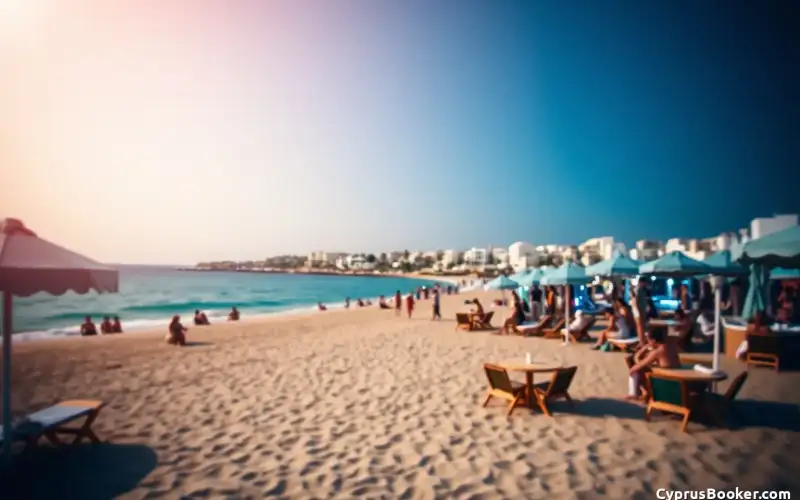
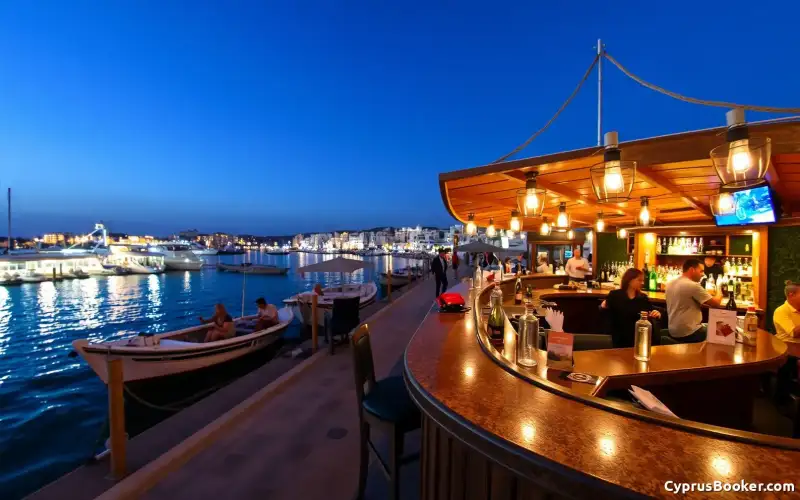
I arrived in Ayia Napa on a Tuesday in late April, expecting the usual beach-bar chaos. Instead, I found the main strip eerily quiet, most clubs shuttered, and the smell of roasting lamb drifting across the town square. It was Easter week, and the place had shifted into a rhythm I hadn't anticipated. The nightlife industry essentially pauses. The real action—if you know where to look—happens in tavernas, at the monastery, and in the streets after midnight on Easter Saturday.
Easter 2026 falls on 19 April for the Orthodox calendar (yes, it's different from Western Easter). If you're planning a trip around that date, this guide cuts through the confusion about what's actually open, what's genuinely worth your time, and how to eat like a local during the island's most important religious week.
When Exactly Is Greek Easter 2026 and Why It Matters
Orthodox Easter in 2026 is Sunday, 19 April. The Holy Week runs from Palm Sunday (12 April) through Easter Monday (20 April). This timing matters because it determines what's open, what's closed, and when the real celebrations happen.
The Orthodox calendar follows a different calculation than Western Christianity, which is why Easter dates rarely align. Cyprus observes Orthodox Easter as the main event—most shops, restaurants, and services close or operate on skeleton schedules from Wednesday through Monday. Nightclubs shut down completely from Thursday through Easter Monday, sometimes longer if they're being particularly respectful. Some bars stay open, but the party vibe evaporates.
If you're coming specifically for clubs and beach parties, Easter week isn't ideal. But if you want to see Ayia Napa stripped back to its roots, watch authentic traditions, eat some of the best food the island produces, and experience something genuinely different from the summer tourist season, this is your moment.
The Monastery and Palm Sunday Processions
The Ayia Napa Monastery sits at the edge of the old town, a 16th-century Venetian structure that's survived Ottoman occupation, British colonial rule, and decades of package tourism. During Easter week, it becomes the spiritual centre of the town—and yes, you can visit, even if you're not Orthodox.
Palm Sunday (12 April) sees the first major procession. Locals and visitors gather outside the monastery around 10 a.m. to watch the priest and congregation process through the streets with palm fronds and olive branches. It's colourful, unhurried, and genuinely moving without being heavy-handed. Children carry small decorated palms. The atmosphere is more contemplative than celebratory—this is the beginning of the serious part of the week.
The monastery itself is worth exploring any day of the week, but Easter week gives you the chance to see it as a functioning religious centre rather than a tourist checkpoint. If you're respectful about dress (covered shoulders and knees) and timing (avoid services), locals are welcoming. The courtyard is peaceful, the fountain works, and the gardens smell of jasmine and salt air.
What's Actually Open During Easter Week
This is the practical bit that catches visitors off guard. Plan accordingly.
Closed completely: Nearly all nightclubs (Sensi, Castle Club, Stargate, the whole lineup) shut from Thursday 16 April through Monday 20 April, sometimes longer. Some don't reopen until Wednesday 22 April. A few smaller bars stay open, but expect minimal atmosphere.
Reduced hours: Most supermarkets, shops, and pharmacies operate limited hours (typically 10 a.m.–1 p.m.) on Holy Thursday, Good Friday, and Easter Saturday. Sunday is a complete shutdown except for a handful of tourist-focused places. Monday (Easter Monday) is a public holiday—everything closes.
Restaurants and tavernas: Here's where it gets interesting. Family-run tavernas stay open, especially for lunch and dinner on Easter Sunday (they're packed). Booking is essential if you want a table. Tourist-oriented restaurants in the main square operate, but quality varies wildly. Your best bet is heading to the backstreets where locals eat.
Beaches: Open, but quiet. The water's still cool (around 16–17°C in mid-April), so swimming isn't appealing unless you're hardy. Good for walking and photography.
Good Friday and the Epitaphios Procession
Good Friday (18 April) is the emotional centrepiece of Easter week. The Epitaphios procession happens in the evening, typically starting around 6 p.m., and it's something you should witness if you're in town.
The Epitaphios is a decorated wooden structure representing the tomb of Christ. It's carried through the streets in a solemn procession, with the priest leading, locals following in silence, and candles lit throughout. The entire town seems to pause. Shops close. Traffic stops. Even the most secular visitors find it affecting.
The procession route winds through the old town and typically ends back at the monastery. It lasts about an hour. There's no entrance fee, no tickets—just show up respectfully. Wear dark clothes if possible (it's a funeral-like atmosphere). Photography is fine, but be discreet.
After the procession, many families head home to prepare for the midnight Easter celebration. But some tavernas stay open late, and the mood shifts from solemn to anticipatory.
Easter Saturday Night: The Fireworks and Midnight Feast
Here's where things get lively. Easter Saturday night (19 April, technically early morning of Easter Sunday) is when the Orthodox celebration reaches its peak. At midnight, churches across Cyprus light candles and ring bells. In Ayia Napa, this translates to fireworks—lots of them.
Starting around 11:45 p.m., the sky above the town fills with fireworks. It's not a coordinated display; it's chaotic, joyful, and genuinely exciting. Locals light fireworks from rooftops, the street, anywhere. Families gather in the square. Strangers embrace. It's celebratory in a way that feels earned after the solemnity of the previous days.
The midnight church service finishes around 1 a.m., and then the eating begins. This is when families head to tavernas or go home to roasted lamb, roasted potatoes, and homemade bread. If you've booked a table at a family-run taverna for Easter Sunday lunch, that's when you'll experience the real feast.
By 2 a.m., the energy settles. People drift home. By Sunday morning, the town is quiet again, but there's a palpable sense of celebration that lasts through the day.
Easter Food: What to Eat and Where
This is where Easter week becomes genuinely special. The food traditions are centuries old and largely unchanged. You won't find these dishes on summer menus.
Lamb: The Easter centrepiece. Usually roasted whole over charcoal, sometimes slow-cooked with lemon and oregano. The meat is tender, the fat rendered, the flavour deep. A whole roasted lamb feeds 8–10 people and costs around €80–120 at a taverna. If you're a smaller group, order lamb chops or lamb shoulder.
Souvla: Large chunks of lamb or pork skewered and roasted over charcoal. It's labour-intensive, which is why you mainly see it during Easter. The meat is seasoned simply—salt, pepper, oregano—and the charcoal smoke is essential to the flavour. Expect €12–16 per portion.
Flaouna: A cheese and meat pastry that's baked in a spiral. It's rich, salty, and absolutely addictive. Traditionally made with halloumi, anari cheese, and minced pork, wrapped in pastry. You'll find these in bakeries from Wednesday onwards. €2–3 each. Buy them fresh; they're best warm.
Tsoureki: A sweet, braided bread flavoured with mahlepi (cherry kernel) and mastika (resin-based liqueur). It's only made for Easter. The texture is somewhere between brioche and a sweet loaf. Bakeries sell out by Sunday. €4–6 per loaf. Slice it thick and eat it plain or with butter.
Mageiritsa: Offal soup made from lamb organs, rice, and lemon. It's traditionally eaten after the midnight Easter service. If that description puts you off, fair enough—it's an acquired taste. But if you're adventurous, it's deeply flavourful and warming. You'll find it at family tavernas on Easter Sunday morning.
Halloumi saganaki: Fried cheese, crispy outside, molten inside. It's year-round, but Easter meals always include it. €8–12 for a plate.
Where to Book for Easter Meals
Booking is non-negotiable. Walk-ins won't get tables on Easter Sunday. Here's the strategy:
Book by the previous Wednesday at the latest. Call directly (English-speaking staff answer). Expect to pay €25–45 per person for a full meal (lamb, sides, wine, bread). Group bookings (6+ people) sometimes get a fixed menu and better pricing.
Avoid the main square restaurants—they're overpriced and mediocre. Head to the backstreets where locals eat. The best meals happen in family-run places that don't advertise heavily. Ask your hotel for recommendations; they know where locals go.
If you're self-catering, supermarkets sell pre-roasted lamb and sides from Saturday afternoon onwards, but the quality is inconsistent. Better to book a taverna or find a local who'll sell you a portion.
What to Pack and How to Dress
Easter in Ayia Napa isn't beach weather, despite the calendar. Mid-April temperatures hover around 18–22°C. The sea is cold. Wind is common. Pack accordingly.
Bring a light jacket, long trousers, and closed shoes. If you're attending monastery services or processions, covered shoulders and knees are essential. Women often wear a scarf for the Epitaphios procession (it's not mandatory, but it's respectful).
Sunscreen is still necessary—the sun is strong even when the air is cool. Bring comfortable walking shoes; you'll be on your feet during processions.
Practical Logistics
Transport: Buses run on reduced schedules. If you're renting a car, most petrol stations stay open, but hours are limited. Taxis are reliable but expensive (€15–25 for a short trip). Plan journeys in advance.
Money: Bring cash. Some smaller tavernas and bakeries don't take cards. ATMs are available but queues can be long on Thursday and Friday.
Accommodation: Book well in advance. Hotels offer Easter packages, sometimes with included meals. Rates are higher than summer but lower than Christmas. Expect €60–120 per night for mid-range hotels.
Internet and calls: Mobile networks are reliable. EU roaming applies if you're from the UK (post-Brexit roaming charges apply, typically €10–15 per day for data). Hotels have WiFi.
The Rhythm of the Week: Day by Day
Sunday 12 April (Palm Sunday): Monastery procession in the morning. Shops and restaurants open normal hours. Atmosphere is noticeably quieter than summer. Good day to explore the old town without crowds.
Monday 13 April: Normal operations. Start booking your Easter Sunday restaurant table now if you haven't.
Tuesday 14 April: Normal operations. Bakeries begin making tsoureki and flaouna. You can pre-order these if you ask.
Wednesday 15 April: Shops close by 2 p.m. for the afternoon. Restaurants operate lunch and dinner. This is your last chance for normal shopping. Bakeries are busy.
Thursday 16 April (Holy Thursday): Most shops and supermarkets close by 1 p.m. Restaurants open for lunch and dinner, but limited menus. Nightclubs close. Evening atmosphere is quieter.
Friday 17 April (Good Friday): Nearly everything closed until 5 p.m. Some tavernas open for dinner. The Epitaphios procession happens around 6 p.m. Evening is solemn and quiet.
Saturday 18 April (Easter Saturday): Shops and restaurants closed until late afternoon. Some bakeries open to sell last-minute bread and pastries. Evening builds in energy. Fireworks start around 11:45 p.m. Midnight celebrations are lively. Late-night taverna meals happen after 1 a.m.
Sunday 19 April (Easter Sunday): Everything closed until noon. Tavernas packed for lunch. Beaches quiet. Afternoon is relaxed. Evening restaurants reopen.
Monday 20 April (Easter Monday): Public holiday—everything closed. Beach day or quiet exploration.
Bonus Tip: The Day After Easter
Tuesday 21 April is when normal life resumes. Clubs reopen Wednesday 22 April. If you're staying through the following weekend, the transition is noticeable. The town shifts back into summer mode, albeit with fewer tourists than July or August.
Final Word
Easter in Ayia Napa isn't what most British tourists expect. The clubs are closed. The beaches are quiet. The nightlife is minimal. But what you get instead is genuine, unfiltered Cyprus—the traditions, the food, the sense of community that the summer season completely obscures. You'll eat better than you do in July. You'll see the town as locals actually live in it. And you'll witness something that's been happening the same way for centuries.
If you're flexible with dates and can visit around Easter 2026, do it. Just go in with realistic expectations, book accommodation and restaurants early, and embrace the slower pace. The fireworks at midnight alone are worth the trip.

Comments (4 comments)