The Quad Bike Disaster on Day One (And Why It Happens to Everyone)
I watched a bloke from Birmingham arrive at his hotel on a Tuesday afternoon, excited as anything, and by Wednesday morning he'd hired a quad bike. By Thursday he was limping around the strip with a bandaged knee and a €400 bill from the private clinic. He'd hit a pothole near the Ayia Thekla monastery and gone over the handlebars. His wife spent the rest of the week applying aloe vera while he sat in bars drinking cold beer with his leg elevated.
Here's the thing about quad bikes in Ayia Napa: they're everywhere, they're cheap (around €25–€35 per day), and they feel like the perfect way to explore. Except the roads aren't what you're used to. Potholes disguised by shadows, gravel that shifts under your wheels, and drivers who treat the main strip like a Grand Prix circuit. If you're not used to riding, or if you've had a few drinks the night before, it's genuinely dangerous.
The fix: Don't hire one in your first three days. Let your body clock adjust. If you do hire a quad, go with a guided tour operator rather than a rental shop—they know the safe routes and they won't let you take one after midnight. Alternatively, grab a taxi (around €8–€12 for short hops) or use the local buses. The OSYPA buses run the length of the strip for €1.50 and they're actually reliable, even if they're not glamorous.
Booking a Hotel in the Wrong Part of the Strip
The Ayia Napa strip isn't one long beach. It's more like three different worlds stacked next to each other, and where you land makes a massive difference to your week.
The Party End (East Side)
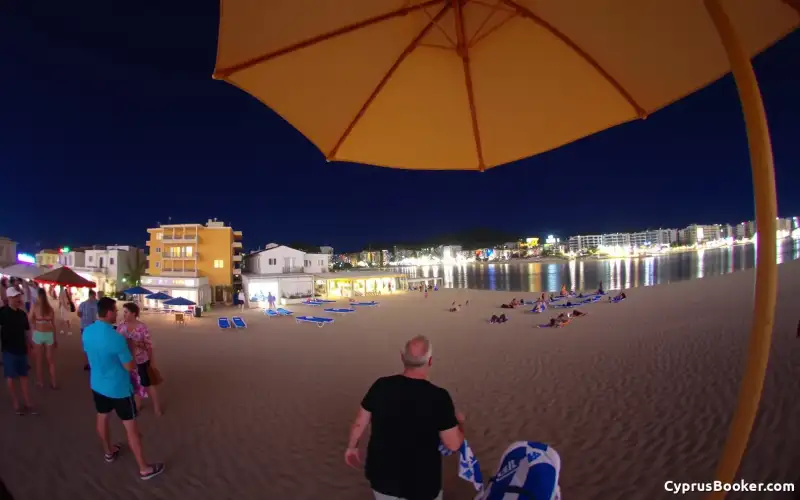
Hotels like the Napa Mermaid, Tsokkos Paradise, and anything near the clubs and bars—this is where the noise starts at 11 p.m. and doesn't stop until 4 a.m. Perfect if you're 25, coming for the nightlife, and planning to sleep until noon. Awful if you've got kids or you want a quiet evening with a book. The beach here is packed with sunbeds and umbrellas from 8 a.m. onward, and there's always someone selling something—jewellery, henna tattoos, boat trips.
The Middle Bit (Town Centre)
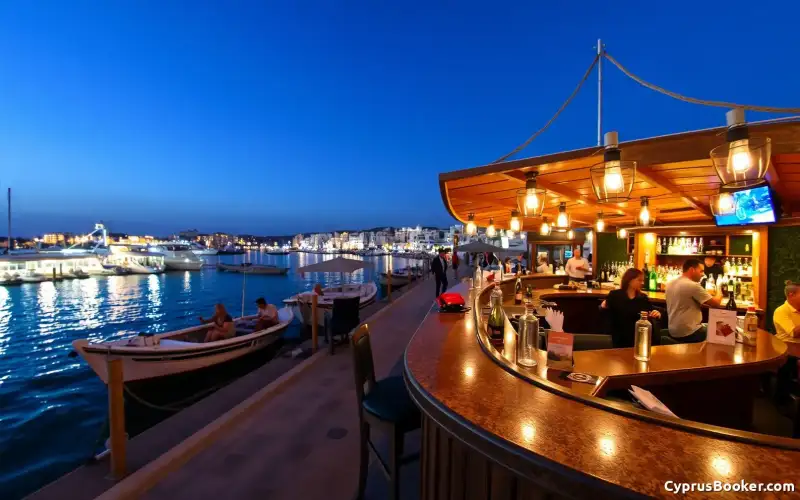
Hotels near the town square and the main restaurants. This is where most British families end up, and it's a solid compromise. You're close enough to walk to bars and clubs, but far enough that you're not in the epicentre of the noise. The beach is decent, the restaurants are reasonable, and you can actually have a conversation on your balcony after 10 p.m.
The Quiet End (West Side)
Protaras direction, or the far eastern stretch toward Kermia Beach. Hotels here are often cheaper, the beaches are genuinely quieter, and you're closer to proper Cyprus—tavernas run by actual Cypriot families, not tourist chains. The downside: you're 15–20 minutes from the nightlife, and taxis back late at night can add up.
The fix: Decide what you actually want before you book. If you're coming for clubs and a laugh with mates, book east. If you've got kids or you want balance, book middle. If you want peace and quiet, go west or look at Protaras instead. Don't book based on price alone—a €40-per-night saving isn't worth seven nights of either deafening noise or a 30-minute taxi ride home.
Ignoring the Shoulder Seasons (And Why August Is a Trap)
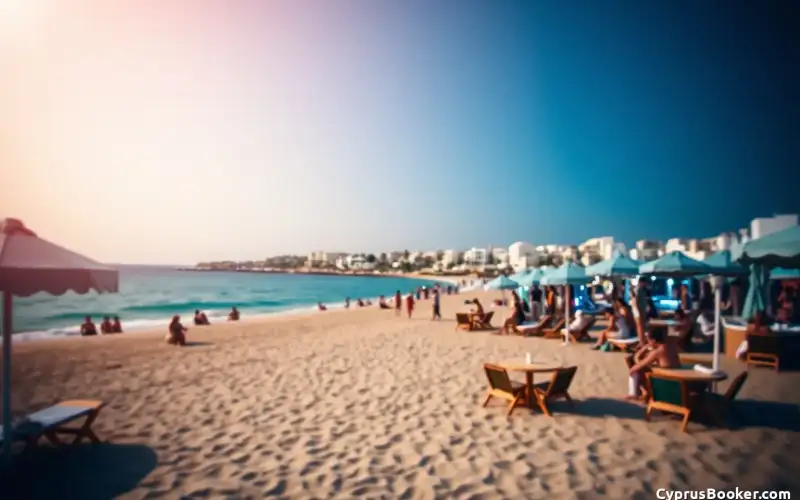
August is peak season, which sounds great until you actually get there. The beach is so rammed you can barely find a patch of sand. A sunbed costs €6–€8 per day (or €10 if you want a parasol). Restaurant tables have queues. Club queues start at midnight and don't move until 2 a.m. And everything costs 20–30% more than it does in June or September.
I took the kids in late August last year and spent half the week just trying to find somewhere to sit. My youngest got sunburnt waiting in a queue for ice cream. Never again.
The fix: Go in June or September if you can. The weather is still 28–30°C, the sea is warm, the beaches are manageable, and prices are lower. If you're stuck with school holidays, go early July or late August—slightly less manic than mid-August. And book restaurants in advance, not on the day.
Underestimating How Much Everything Costs
A lot of British tourists arrive thinking Cyprus is cheap because the flights are cheap. Then they get a bill for two cocktails and some mezze and it's €45. A decent dinner for two with wine is €60–€80. A bottle of water by the beach is €2.50. A boat trip to sea caves is €20–€25 per person.
None of this is outrageous, but it adds up fast if you haven't budgeted for it. I know families who've blown through their holiday money by day four because they didn't realize how quickly the small costs compound.
The fix: Budget €30–€50 per person per day for food and activities, on top of accommodation. Eat lunch at tavernas away from the main strip (you'll pay €8–€12 instead of €15–€18). Buy water and snacks at supermarkets, not beach vendors. Skip the organized boat trips if money's tight—the beaches are free and they're just as nice. And set a daily spending limit, not just a weekly one.
Missing the Actually Good Beaches Because You're Stuck on the Main Strip
The main beach in Ayia Napa town is fine, but it's crowded and it's touristy. If you venture 10 minutes in either direction, you'll find beaches that are genuinely better: Kermia Beach (west, quieter, better for families), Nissi Beach (east, cleaner sand, slightly less rammed than the main beach), or Makronissos Beach (small, scenic, perfect for a quiet afternoon).
Most first-timers never find these because they assume the main beach is the main beach and that's that. They spend their week on the same 200 metres of sand.
The fix: Hire a car for one day (€25–€40 depending on season) and do a beach crawl. Or take the bus. Nissi Beach is about 2 km from town (€1.50 bus ride). Kermia is similar distance west. Spend a day at each and pick your favourite. You'll actually get some decent photos instead of the same shot everyone else has taken.
Booking Excursions Through Your Hotel or a Beach Vendor
The markup is insane. A boat trip to the sea caves that costs €20 through a local operator will cost €35–€45 if you book it through your hotel reception or a vendor on the beach. They're adding commission on top of commission.
I made this mistake years ago with a jeep safari. Paid €60 per person through the hotel. A mate who booked directly with the operator paid €35. Same trip, same guide, same lunch. I was fuming.
The fix: Book excursions online before you leave the UK, or ask locals (bar staff, taxi drivers, restaurant owners) for recommendations and book direct. You'll save 30–40% and you'll usually get better service because the operator isn't dealing with a middleman.
Getting Drunk Too Early and Missing the Actually Good Clubs
This is less a money mistake and more a time management one, but it matters. A lot of British lads arrive and hit the bars by 6 p.m., do shots, get hammered by 9 p.m., and then either pass out in their room or end up in some dodgy late-night place at 3 a.m. They miss the clubs that actually matter: Sensation, Starlight, Liquid, Exchange—places that have decent DJs, proper sound systems, and atmosphere that doesn't feel like a stag do.
The good clubs don't get busy until midnight. If you're already three sheets to the wind by then, you're not going to enjoy them.
The fix: Pace yourself. Have a drink with dinner (around 8 p.m.), relax, maybe have one more at a bar, and then head to a club at 11:30 p.m. or midnight. You'll have a better night, you'll remember it, and you won't wake up with a hangover that ruins the next day. Drink water between alcoholic drinks. It sounds boring, but it genuinely works.
Not Checking the Weather or the Sea Conditions
Cyprus is sunny most of the time, but not always. I've been in Ayia Napa in June when it rained for three days straight. Not tropical rain—proper grey, cold rain. The beach was empty, the sea was rough, and everyone was sitting in bars looking miserable.
The sea can also be choppy, especially in spring or if there's been a storm. If you're planning a boat trip or you want to swim, check the conditions first.
The fix: Check the forecast before you book activities. Have a backup plan for a rainy day (museums, shopping, indoor activities). If you're going out on a boat and the sea looks rough, reschedule. It's not worth being seasick for six hours.
Hiring a Car Without Understanding the Driving Culture
Cypriot drivers are fast, they don't always signal, and they park however they want. If you're used to British roads, it's a shock. Add in the fact that you're on the left side of the road (same as the UK, at least), but the rules feel slightly different, and you've got a recipe for stress.
I hired a car on my second trip and spent the entire time white-knuckling the steering wheel. My husband drove the way back and I sat in the passenger seat with my eyes closed.
The fix: If you're not confident, don't hire a car. Use taxis and buses instead. They're cheap and you won't spend your holiday stressed. If you do hire one, take it easy, leave extra time for journeys, and avoid driving at night if you can. The roads aren't lit well and the potholes are easier to hit when you can't see them.
Not Booking Popular Restaurants in Advance
The decent restaurants—places with actual Cypriot food, not tourist menus—fill up by 7:30 p.m. If you rock up at 8 p.m. expecting to walk in, you'll be waiting until 9:30 or you'll be eating at a chain place instead.
This matters because the difference between a good meal and a mediocre one can make or break an evening. A proper taverna with grilled fish and local wine is what you'll remember. A tourist trap with microwaved moussaka is what you'll complain about.
The fix: Book restaurants by phone or online the day before. Most places have English-speaking staff and they'll hold a table. Eat slightly earlier (7 p.m. instead of 8:30 p.m.) if you want to avoid crowds. And ask locals where they eat—they'll point you to places tourists don't know about.
Forgetting That Ayia Napa Is Just One Part of Cyprus
A lot of first-timers book a week in Ayia Napa and spend the entire week in Ayia Napa. It's convenient, sure, but you're missing the actual island. Nicosia (the capital) is 90 minutes away and it's genuinely interesting. Paphos (west coast) is two hours away and has proper history—ancient ruins, proper beaches, a completely different vibe. Even Limassol, 45 minutes south, is worth a day trip.
Cyprus isn't huge. You can see a lot in a week if you plan it right.
The fix: Spend five days in Ayia Napa and use two days for day trips. Hire a car for one day and drive to Paphos or Nicosia. Or book a guided tour (€35–€50 per person, usually includes lunch). You'll get a better sense of what Cyprus actually is instead of just seeing the tourist bubble.
The Actual Takeaway
Most of these mistakes aren't disasters—they're just annoying. You won't ruin your holiday by booking the wrong hotel or missing a good beach. But you'll have a noticeably better week if you avoid them. The difference between an okay trip and a really good one is usually just planning and a bit of common sense. Don't hire a quad bike on day one. Book your hotel based on what you actually want, not just the price. Pace your drinking. Check the weather. And don't spend your entire week in the same 500 metres of beach.
Your first Ayia Napa trip should be fun, not a learning curve for the next one.

Comments (4 comments)