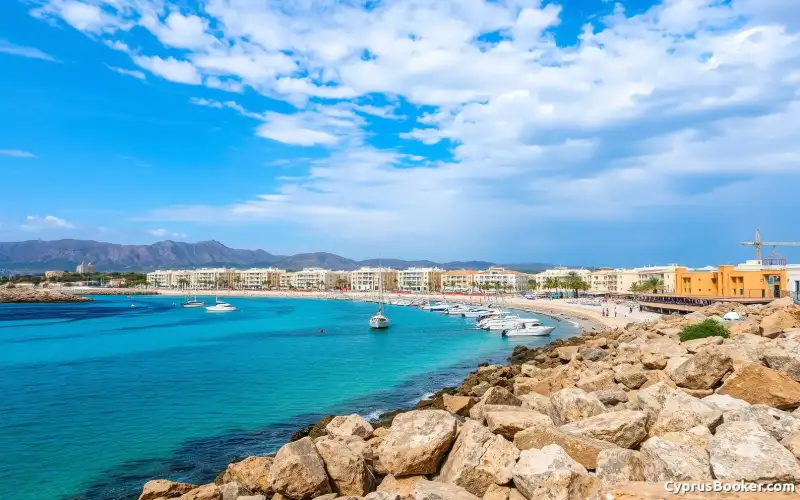
I was standing at Nissi Beach in late August 2015, watching a dad attempt to keep his two kids entertained while the thermometer hit 38°C and the beach was shoulder-to-shoulder packed. He looked absolutely knackered. Two weeks later, I bumped into him at a taverna—he'd come back in May and said it was a completely different experience. That conversation stuck with me, because Ayia Napa's weather isn't just about temperature; it's about whether you'll actually enjoy your holiday.
The truth is, when you visit Ayia Napa matters enormously for families. The same resort that feels magical in May can feel like a sauna in August, and the beaches you've seen in Instagram photos might be completely rammed or eerily quiet depending on the season. After visiting Ayia Napa regularly since 2010 and chatting with countless families at bars, hotels, and beach clubs, I've learned exactly when to recommend families pack their bags.
Overview: Ayia Napa's Climate Throughout the Year
Ayia Napa sits on the east coast of Cyprus, which means it gets more sunshine than almost anywhere else on the island—we're talking 330+ days of sun annually. But that relentless sunshine comes with a catch: summer heat that can genuinely make outdoor activities miserable, especially with kids in tow.
The island follows a classic Mediterranean climate. Winters are mild (rarely dropping below 10°C), but December through February bring occasional rain and cloudy days. Spring explodes with warmth from March onwards, summer turns brutal from July to September, and autumn offers a sweet spot most families overlook entirely.
Here's the practical reality: sea temperature matters as much as air temperature when you've got children. A kid won't swim in 15°C water no matter how sunny it is, but they'll happily splash about in 23°C. Similarly, a 42°C day with two young ones in tow feels like a completely different experience than a 28°C day with a breeze.
Month-by-Month Breakdown: What to Expect
January and February: Quiet, Cool, and Wet
These are the quietest months in Ayia Napa. Hotel occupancy drops, prices fall, and you'll actually get a sunbed without arriving at 7am. Temperatures hover around 15-17°C during the day, and the sea sits at about 15°C—proper bracing stuff.
The downside? Rain. Not constant, but frequent enough that you'll have days where the beach isn't appealing. I've spent January evenings at Limanaki taverna watching actual storms roll in from the sea. It's dramatic and beautiful, but not ideal if your kids are counting on beach time.
Rainfall averages 40-50mm per month, which might not sound like much, but it comes in concentrated bursts. You might get three sunny days, then a rainy day, then more sun. The unpredictability is the real issue for families planning activities.
Best for: Couples without kids, budget-conscious families willing to do indoor activities, people who want to explore the town without tourist crowds. Avoid if: You're relying on consistent beach weather or your kids need warm water swimming.
March and April: Spring Awakening
March is when Ayia Napa starts waking up. Temperatures climb to 20-22°C, rainfall drops significantly, and the sea warms to around 17-18°C. By late April, you're looking at 25-27°C and sea temps pushing 20°C. It's genuinely pleasant.
This is when families start trickling back. The Easter holidays bring a surge in visitors, particularly around mid-April, but it's nothing compared to summer madness. You'll get decent beach days without the crushing heat. Kids can swim without hypothermia risk, and parents won't spend the day melting.
The light is beautiful in spring—long evenings, golden hour lasting until 7:30pm. I've had some of the best nights out in April, sitting at Limanaki or one of the smaller beach bars watching the sun drop into the sea without feeling like I'm being slow-roasted.
One practical note: Easter timing varies year to year. In 2026, Easter falls in April, so expect busier beaches and higher prices mid-month, but nothing approaching July-August levels.
Best for: Families wanting warm-but-not-scorching weather, Easter holidays, budget-conscious travelers (outside Easter week), couples. Sea temperature: 17-20°C (fine for most kids with a rash guard). Crowds: Light to moderate.
May: The Sweet Spot
If I had to pick one month to recommend to families, it's May. Temperatures sit at 28-30°C—warm enough to be proper summer, but not so hot that you're hiding indoors. The sea reaches 22-23°C, which is genuinely swimmable without a wetsuit. Rainfall is minimal, maybe 10-15mm for the entire month.
Crowds are manageable. You'll see families and groups of friends, but the beaches aren't packed solid. You can actually find a decent spot at Nissi without paying for a sunbed, or grab a table at a beach bar without waiting 20 minutes. Accommodation prices are still reasonable—you're not paying peak summer rates, but you're getting reliable weather.
The light is stunning. Sunrise around 5:30am, sunset around 8:15pm. Even if you're not a morning person, those long evenings mean kids can play on the beach until 7pm, then you can grab dinner without them being exhausted and grumpy.
I've spent countless May evenings at smaller beaches like Makronissos or Kermia, watching families actually enjoying themselves rather than just surviving the heat. The water's warm enough for extended swimming, the sun's strong enough for a proper tan, but there's usually a breeze that keeps things comfortable.
Best for: Families wanting guaranteed good weather without extreme heat, school holidays (May half-term in UK), value for money, couples, groups of friends. Sea temperature: 22-23°C (ideal for kids). Crowds: Light to moderate. Price level: Mid-range.
June: The Transition Month
June is when summer properly arrives. Temperatures climb to 32-34°C, the sea reaches 25-26°C, and you're starting to see the serious heat. Humidity creeps up, particularly in the last week of the month.
Families are back in force—summer holidays start mid-month in the UK, and hotels fill up noticeably. Beaches get busier, prices edge higher, but it's still not peak August chaos. You can still find space if you're willing to arrive early or try less famous beaches.
The real question with June is whether your kids can handle 33°C. Some thrive in it; others wilt. If you've got young children (under 8) or kids who burn easily, this is getting into uncomfortable territory. The water's properly warm, which is brilliant, but afternoon beach time becomes less appealing as the heat intensifies.
Evening temperatures don't drop much—it stays warm even after sunset, which is either lovely (evening beach walks, ice cream runs) or uncomfortable (trying to sleep in a non-air-conditioned room). Most decent family hotels have AC, but budget places might struggle.
Best for: Families with heat-tolerant kids, school summer holidays, teenagers who don't mind intense heat. Avoid if: You have very young children or anyone prone to heat exhaustion. Sea temperature: 25-26°C (excellent for swimming). Crowds: Moderate to heavy. Price level: Peak pricing starts.
July and August: Peak Season Madness
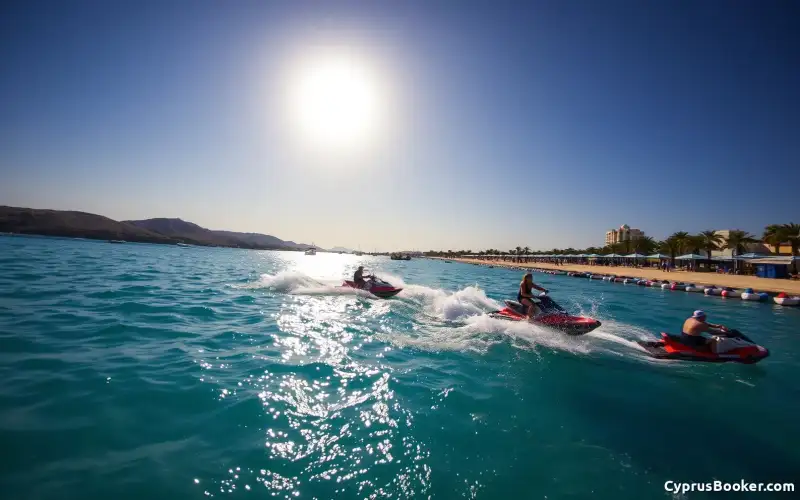
Right, let's be honest. July and August are when Ayia Napa becomes a different beast entirely. Temperatures regularly hit 35-38°C, sometimes higher. The sea's a lovely 27-28°C, but you'll barely get in it because the beaches are rammed.
This is peak season. Every beach is packed by 10am. Sunbeds cost extra, bars are heaving, restaurants have queues, and prices are at their absolute highest. Hotel rooms that cost £60 in May go for £150+. You're paying premium prices for the worst experience—it's genuinely baffling why families choose this time.
The heat is genuinely dangerous with small children. I've watched parents struggling to keep toddlers from overheating, dealing with meltdowns from exhausted kids, and basically giving up on beach time because it's unbearable. One mum I spoke to at a bar said she spent most of July in air-conditioned shops and restaurants, which isn't exactly the holiday she'd paid for.
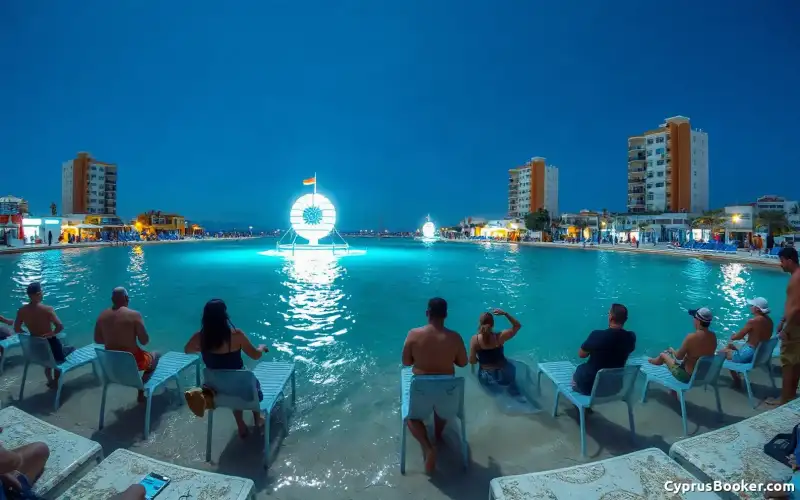
Nights are warm and humid. Kids struggle to sleep, everyone's irritable, and the magic of a beach holiday evaporates. The town itself is chaotic—bars and clubs are packed, which is fun if you're after that scene, but not ideal if you're trying to have a relaxed family experience.
Avoid if: You have young children, you want value for money, you enjoy actually being able to move at the beach, or you prefer a relaxed holiday. Only choose if: Your kids are teenagers who want the party scene, you've got specific school holiday dates with no flexibility, or you genuinely love intense heat and crowds.
September: The Underrated Month
Here's a secret most families don't know: September is brilliant. Yes, it's still hot—temperatures sit around 32-34°C—but the air feels different. Summer's oppressive humidity starts lifting around mid-month. The sea's still warm at 26-27°C.
More importantly, families start heading home. Schools go back in the UK mid-September, so beaches clear out noticeably. You get proper space, shorter queues, and better service at restaurants. Prices drop from peak levels but are still higher than shoulder season.
The first two weeks of September can still feel summery and busy, but from mid-month onwards, it's noticeably quieter. If your kids' school allows a late summer holiday or you're flexible with dates, this is a goldmine. You get summer weather and water with spring-like crowds and mid-range prices.
The only consideration is occasional rain. September can bring sudden storms, particularly towards the end of the month, though these are usually short and fierce rather than day-long deluges. Rainfall averages 10-20mm, which is minimal.
Best for: Families with flexible school dates, late summer holidays, anyone wanting summer heat without summer crowds, budget-conscious travelers. Sea temperature: 26-27°C (excellent). Crowds: Light to moderate (mid-September onwards). Price level: Mid-range.
October and November: Autumn Perfection
October is genuinely underrated. Temperatures drop to 28-30°C—still warm, but noticeably more comfortable than summer. The sea sits at 24-25°C, perfectly swimmable. Humidity drops significantly, making everything feel fresher.
Rainfall increases slightly (averaging 20-30mm in October), but it's still minimal and usually comes as brief showers rather than day-long rain. You might get one rainy day in a week of sunshine, which is manageable.
Families are back, but in a civilized way. Hotels are comfortably full but not bursting. Beaches have space. Restaurants serve without hour-long waits. Prices are reasonable—you're paying less than summer but more than winter. It's the Goldilocks season: not too hot, not too cold, not too crowded, not too empty.
November gets trickier. Temperatures drop to 22-24°C, and rainfall increases to 40-50mm. Some days are gorgeous; others are cloudy or rainy. The sea cools to around 20°C, which is borderline for kids without a wetsuit. It's fine if you're flexible about beach time and happy doing other activities, but if beach swimming is essential, it's getting iffy.
Best for: Families wanting perfect weather without crowds, half-term holidays (late October), couples, anyone avoiding summer heat and chaos. October sea temperature: 24-25°C (ideal). November sea temperature: 20°C (cool but swimmable). Crowds: Light to moderate. Price level: Mid-range, good value.
December: The Festive Wildcard
December starts pleasantly enough—temperatures around 20-21°C, sea at 18-19°C—but rainfall increases noticeably (averaging 50-60mm). You're looking at maybe 60% sunny days, 40% rainy or cloudy.
Christmas week brings holiday travelers and higher prices, but outside that period, it's quiet. If your family celebrates Christmas abroad, Ayia Napa's definitely doable—you'll get some beautiful sunny days mixed with occasional rain. The sea's cold for swimming, but plenty of families don't mind that.
New Year's Eve and New Year's Day are busy and pricey, with a younger party crowd dominating. If that's your scene, great. If you want a relaxed family holiday, avoid those specific dates.
Best for: Christmas holidays, budget travelers (outside Christmas week), families happy with mixed weather. Avoid if: You need consistent beach weather or warm sea swimming.
Practical Weather Considerations for Families
Heat Safety and Timing
The single biggest issue families face is managing heat with kids. Temperatures above 35°C genuinely affect how much time children can safely spend outdoors. Heat exhaustion in young kids can escalate quickly—you're not just talking discomfort; you're talking actual health risk.
If you're visiting with children under 10, seriously consider avoiding July and August. The heat is intense, beaches are rammed, and you'll spend most of the time managing the downsides rather than enjoying yourself. May, June, September, and October offer warm, swimmable conditions without the danger zone.
For teenagers and older kids, the heat's less of a concern, and they might actually prefer the busier, more social atmosphere of peak season. But for younger children, shoulder seasons are genuinely better.
Sea Temperature and Swimming
Sea temperature determines whether your kids will actually get in the water. Here's the practical breakdown:
- Below 18°C: Most kids won't swim without a wetsuit. It's cold enough to cause discomfort quickly.
- 18-22°C: Swimmable with a rash guard or after 10 minutes of acclimatization. Fine for older kids, borderline for younger ones.
- 22-25°C: Ideal. Kids will happily swim for extended periods without getting too cold.
- Above 25°C: Perfect swimming conditions. You could stay in all day.
This is why May through October is genuinely better for families than winter months. The sea's actually warm enough for kids to enjoy without turning into ice blocks.
Rainfall and Rainy Day Planning
Cyprus is generally dry, but winter months (December to February) do see rain. If you're visiting with young kids, consider what you'll do on a rainy day. Ayia Napa has water parks (Waterworld is excellent), indoor attractions, and plenty of tavernas, but if your holiday plan relies entirely on beach time, winter's riskier.
Spring and autumn rarely have rain. Summer never does. Winter has the most, but even then, it's usually brief showers rather than all-day downpours.
Crowds and School Holidays
British school holidays dramatically affect Ayia Napa's crowds and prices:
- Easter holidays (mid-April): Moderate surge, prices up slightly.
- Summer holidays (mid-July to early September): Peak chaos, highest prices.
- Half-terms (late May, late October): Moderate busy, mid-range prices.
- Christmas/New Year: Busy around specific dates, quieter otherwise.
If you can travel outside school holidays, you'll genuinely have a better experience. May and October offer school holiday breaks (half-terms) with far fewer crowds than summer.
Verdict: When Should Your Family Actually Visit?
The honest answer depends on your specific situation, but here's my recommendation based on 16 years of visiting Ayia Napa:
For families with young children (under 8): May is your best bet. You get warm weather, swimmable sea, manageable crowds, and reasonable prices. October's your backup option if May doesn't work. Avoid July and August completely—the heat and crowds make it genuinely unpleasant with small kids.
For families with older kids (8-15): May and October are still brilliant, but June and September work too. These months offer better value than peak season while keeping kids entertained with warm water and decent beach conditions. If your teenagers want the party atmosphere, June onwards is busier and more social.
For budget-conscious families: April, May, September, and October offer the best value. You're paying significantly less than summer while getting genuinely good weather. November and March work if you're flexible about occasional rain.
If you're forced into summer dates: Go in June rather than July/August if possible. It's still hot and busy, but noticeably less intense than peak season. Arrive at beaches early (before 9:30am), use hotel pools during peak afternoon heat, and plan indoor activities for midday.
The reality is this: Ayia Napa in May is a completely different experience from Ayia Napa in August. Same resort, same beaches, same bars—but one feels magical and manageable, the other feels chaotic and exhausting. If you've got any flexibility with your dates, use it to avoid peak summer and hit the sweet spots instead.
Your kids will have more fun, you'll spend less money, and you'll actually remember it as a great holiday rather than just surviving two weeks of heat and crowds. That's worth planning around.

Comments (4 comments)