
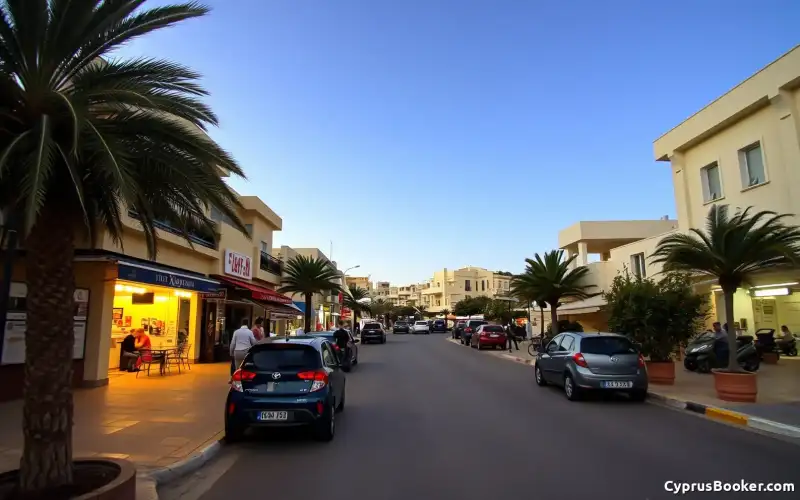
Last summer I watched a British couple argue for twenty minutes outside the car rental office in Ayia Napa town centre. The daily rate had jumped, insurance was murky, and neither of them fancied navigating the coastal roads after a night out. They walked away frustrated. That conversation stuck with me, because it reflects what hundreds of visitors face every year: the assumption that Ayia Napa demands a rental car. It doesn't. Not even close.
The truth is messier and more interesting than the guidebooks suggest. You can move around Ayia Napa using buses, taxis, hired scooters, and your own two feet—and if you're smart about it, you'll spend less money, see more of the real town, and avoid the stress of driving on unfamiliar roads after a few drinks. This guide covers exactly how to do it, with current 2026 fares, actual bus schedules, and honest advice about what works and what doesn't.
Understanding Ayia Napa's Transport Landscape
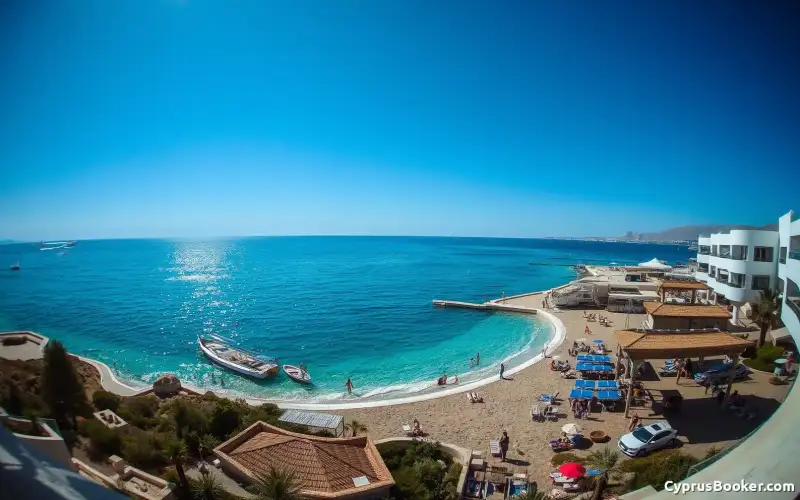
Ayia Napa is geographically compact—the main tourist zone stretches roughly 3 kilometres along the coast from the harbour to Nissi Beach, with the town centre sitting about 500 metres inland. That matters because it shapes what transport you actually need. The town is walkable for short distances, but the beaches spread out enough that you'll want reliable options to move between them without melting into the tarmac.
The local transport system is run by OSEA (Ίδρυμα Συγκοινωνιών Ενωμένων Αμμοχώστου), a regional bus company that operates fixed routes and seasonal tourist services. There's no metro, no train, no tram. It's buses, taxis, and whatever you can hire. That simplicity is actually an advantage—fewer options means fewer mistakes.
The main hub is the central bus station on Leoforos Nissi Avenue, a five-minute walk from the town square. This is where you'll catch most OSEA services. The station isn't glamorous—it's a tarmac yard with a small ticket office—but it's functional and central. Buses run from around 6:00 AM to 11:00 PM on main routes, though frequency drops significantly in the evening and varies wildly by season.
OSEA Buses: Routes, Fares and Schedules for 2026
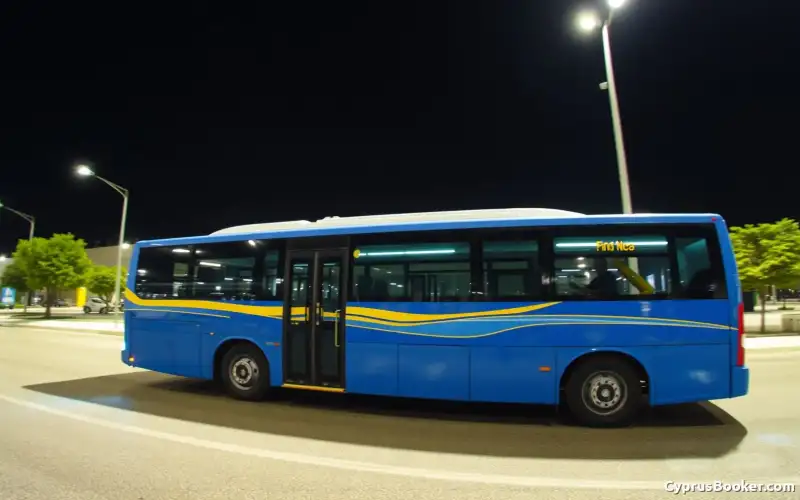
OSEA operates three main local routes within Ayia Napa and surrounding areas. These are your workhorse services if you're moving around without a car.
Route 101: Ayia Napa Town Centre to Nissi Beach and Beyond
This is the most useful route for tourists. It runs from the bus station through the town centre, past the Monastery, and down to Nissi Beach. The journey takes about 12 minutes end-to-end. As of 2026, a single journey costs €1.50, and a day ticket valid until midnight is €4.00. The buses run every 20-30 minutes during peak hours (June to September) and every 45 minutes in shoulder seasons.
Last bus from Nissi back to town is at 11:15 PM in summer, 10:30 PM in winter. If you're planning a beach day followed by dinner and drinks, time your return carefully. I've seen people stranded at Nissi at 11:30 PM on a quiet October evening, which is neither fun nor safe.
Route 102: Ayia Napa to Protaras via the Coastal Road
This route heads east along the coast toward Protaras, passing Fig Tree Bay and several smaller beaches. It's longer—about 25 minutes to Protaras—and less frequent than Route 101. Single fare is €2.00, day ticket €5.00. Buses run hourly in summer, every two hours in winter. Take this one if you want to explore beyond the main Ayia Napa cluster without hiring your own transport.
Route 103: Ayia Napa Town to Larnaca Airport
This is the long-distance service, roughly 45 minutes to the airport. Single fare is €6.50, and it's your cheapest option if you're arriving or leaving by air without pre-arranged transfers. Buses run five times daily in each direction during peak season, three times daily in winter. Schedules change, so check at the ticket office or ask your hotel.
Buying Tickets and Passes
You can buy single tickets at the bus station ticket office or from the driver (though drivers prefer exact change and don't always have it). A 7-day pass costs €20.00 and covers unlimited travel on all three routes. If you're staying more than four days and planning to move around, it pays for itself quickly. The ticket office opens at 6:00 AM and closes at 9:00 PM daily.
The Ayia Napa-Protaras Hop-On Hop-Off Service
Separate from OSEA's fixed routes, there's a dedicated tourist hop-on hop-off service that runs between Ayia Napa and Protaras during summer months (May to October). This is a double-decker open-top bus that stops at roughly twelve points along the coast, including Nissi Beach, Agia Thekla, Konnos Bay, and various hotels.
The service runs every 30 minutes during peak season and every 45 minutes in shoulder months. A full loop (Ayia Napa to Protaras and back) takes about 90 minutes. You can hop off at any stop, explore, and catch the next bus. A single all-day ticket costs €12.00 per adult, €6.00 for children under 12. It's not the cheapest option if you're just moving point-to-point, but it's excellent for beach-hopping because you get the flexibility to spend as long as you want at each stop without worrying about timetables.
The main boarding points are the central bus station in Ayia Napa and the harbour area near the Monastery. If you're staying in a mid-range hotel on the seafront, the bus usually stops within 200 metres of your door. Ask reception for the nearest stop and times.
Taxis: When to Use Them and What to Pay
Taxis in Ayia Napa are metered and reasonably reliable, though you need to stay alert about fares. The flag fall (starting charge) is €3.50. After that, you pay €0.70 per kilometre during the day (6:00 AM to 8:00 PM) and €0.85 per kilometre at night. A journey from the town centre to Nissi Beach—roughly 2 kilometres—costs about €4.50 to €5.00 during the day, €5.50 to €6.00 at night.
From the harbour to Protaras is roughly 12 kilometres and will run €10.00 to €12.00 depending on time of day. Make sure the driver switches the meter on. Most do automatically, but if yours doesn't, ask directly. It's not rude; it's standard practice.
Taxis are genuinely useful for three situations: late-night journeys after buses stop running, when you're carrying luggage or tired, or when a group of four or five can split the fare and it works out cheaper than individual bus tickets. Trying to hail a taxi on the street works, but booking one through your hotel is more reliable. Hotels have standing arrangements with drivers and can confirm arrival times.
Scooter and Motorcycle Hire
If you're confident on two wheels, scooter hire is cheap and gives you flexibility. You'll find hire shops clustered around the town centre and harbour. A 50cc automatic scooter costs €20.00 to €25.00 per day in 2026, a 125cc manual €30.00 to €40.00. Helmets are mandatory by law and always provided.
You'll need a valid driving licence from your home country and a passport for ID. Insurance is usually included, but check the fine print—some companies charge extra for damage to fairings or mirrors. Read the damage clause carefully before signing.
Scooters are genuinely useful for reaching quieter beaches and exploring the roads toward Cape Greco or inland toward Protaras. They're also fun, which matters when you're on holiday. The downsides: you're exposed to sun and wind, parking isn't always obvious, and if you're not experienced, the coastal roads can be tight and steep. I've seen too many tourists in flip-flops on hired scooters to recommend it casually. Wear proper shoes, go slowly, and don't ride at night if you've had a drink.
Walking: Which Beaches and Distances
The town centre itself is genuinely walkable. From the Monastery square to the harbour is about 400 metres. From the harbour to Nissi Beach entrance is roughly 1.5 kilometres along the coast road—flat, straightforward, takes 20 minutes. You pass the main beach strip with its bars and restaurants, so it's not boring.
Agia Thekla Beach sits about 2 kilometres southeast of the town centre, roughly a 25-minute walk through quieter residential streets. It's less crowded than Nissi and has a small Byzantine church right on the sand, which is worth seeing. The walk is flat but involves some navigation—ask at your hotel for directions or use a map app offline.
Konnos Bay is 4 kilometres from town, which is a proper hike in July heat. Doable, but you'd be sweating hard by the time you arrived. A bus or scooter makes more sense. The same applies to Cape Greco and the more remote beaches further east—they're beautiful, but distance and heat mean transport is practical, not optional.
Practical Tips for Getting Around
Here's what actually matters when you're moving around Ayia Napa in 2026:
- Download offline maps before you arrive. Your phone's data will work fine, but having maps cached removes uncertainty. Google Maps works well here, and so does Citymapper for bus routes.
- Carry small change or a card for buses. The ticket office takes cards, but drivers prefer cash. Having €5.00 in coins saves friction.
- Plan journeys around bus schedules, not the other way around. Check times at the ticket office or ask your hotel. Guessing is how you end up waiting 45 minutes in the dark.
- Avoid taxis at peak times (8-9 AM, 6-7 PM) unless you book ahead. They're all occupied with hotel transfers and airport runs. Buses are actually faster during these windows.
- Night buses stop running around 11:00 PM. If you're out late, either book a taxi in advance or accept that you're walking back. Walking through town at midnight is safe, but it's long if you're tired.
- Scooter hire shops open late but close early in winter. In November to March, some close by 6:00 PM. Plan ahead if you want evening hire.
Common Mistakes to Avoid
I've watched enough tourists navigate Ayia Napa to know where people get stuck. The first mistake is assuming buses don't run when you want them. They do, but not as frequently as in a city. Missing the last bus at 11:15 PM is frustrating; planning around it is just logistics.
The second is underestimating distance. Ayia Napa looks small on a map, but walking 4 kilometres in 35-degree heat carrying beach bags is genuinely unpleasant. Use transport for anything over 2 kilometres unless you're acclimated and it's early morning.
The third is booking a scooter if you're not genuinely comfortable on one. Hiring something to save €5.00 on a taxi isn't worth a scraped knee or worse. Be honest with yourself about your skills.
The fourth is not checking bus schedules for Sundays and public holidays. OSEA runs reduced services on these days—sometimes significantly reduced. A journey that takes 30 minutes on Wednesday might involve a 90-minute wait on a Sunday in October. Check ahead.
Putting It Together: Sample Journeys
To make this concrete, here's how you'd actually move around in different scenarios:
Scenario one: A day beach-hopping between Nissi, Agia Thekla, and Konnos. Buy a day ticket (€4.00) and hop on the hop-on hop-off service (€12.00 per person). Spend two hours at each beach, catch the next bus. Total cost for two people: €32.00. You're done by 5:00 PM with time for dinner. It's efficient and takes the thinking out of timing.
Scenario two: A night out in Ayia Napa town centre followed by drinks in Protaras. Take the 7:30 PM bus from town to Protaras (€2.00). Spend the evening there. Book a taxi back at 11:30 PM (€11.00). Total: €13.00 for two people. Cheaper than a car, safer than driving after drinking.
Scenario three: You're based in a hotel outside the main tourist zone and want to explore. Rent a scooter for the day (€25.00). Ride to Cape Greco, park, walk the coastal path, ride to Protaras for lunch, ride back. You've covered 40 kilometres and had flexibility that buses can't offer. Cost: €25.00 per person, plus fuel (roughly €5.00).
Getting Around Without a Car: The Honest Take
The reality is that Ayia Napa's transport system works, but it requires you to think slightly differently than you would in London or Manchester. You can't just wander out expecting a bus in five minutes. You check schedules. You plan journeys. You sometimes walk further than you'd like or wait longer than you'd prefer.
But here's what you gain: you're not stressed about parking, you're not navigating unfamiliar roads, you're not worrying about drinking and driving, and you're spending significantly less money. Over a week-long holiday, the difference between a rental car and buses plus occasional taxis is easily €150 to €200 per person. That's meals, drinks, or a boat trip you can actually afford.
The buses are reasonably reliable, taxis are straightforward, scooters offer freedom if you want it, and walking connects you to the actual town rather than a sanitised tourist corridor. It's not glamorous, but it works. And honestly, after three visits to Cyprus in the past two years, I'd rather navigate Ayia Napa on foot and by bus than deal with another rental car.


Comments (3 comments)