
When the Summer Madness Finally Stops
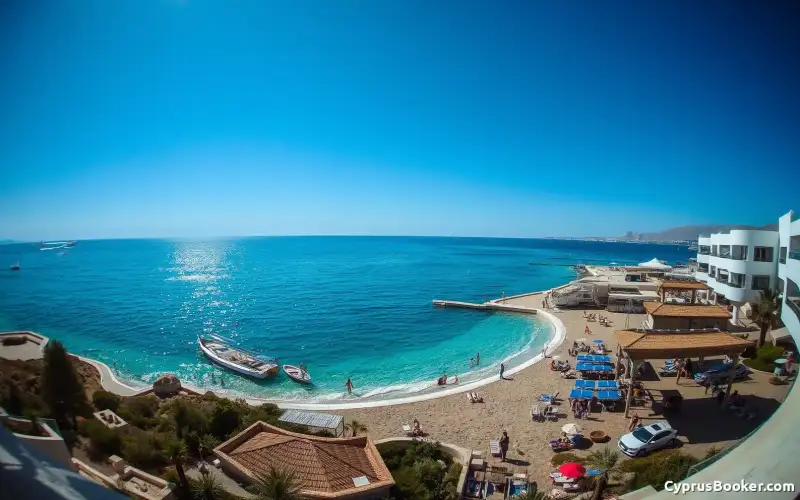
I arrived in Ayia Napa on October 3rd last year and nearly wept with relief. The waterfront wasn't a human car park. The tavernas had tables available without a two-hour wait. The sea—still a proper 24°C—felt like bathwater without the usual August thrashing crowd of 15,000 British tourists all trying to take the same selfie at the same moment.
October is when Ayia Napa stops performing for the Instagram masses and starts being a place you can actually enjoy. The Cypriot summer proper ends around mid-September, but October is the sweet spot: warm enough to swim and sunbathe without melting, cool enough that you don't spend the entire day sweating through your shirt, and populated by people who actually chose to be there rather than those trapped by school holiday dates.
The numbers tell the story. Peak August sees around 45,000 visitors in the town and surrounding beaches. By October, that drops to roughly 18,000—still busy, but breathable. Hotel rates fall by 40-50% compared to July-August. Restaurant mains that cost £18-22 in summer settle at £12-15. And the clubs? They're still pumping, but you can actually move without being crushed against a stranger's armpit.
The Sea Temperature Question—And Why It Actually Matters
Let's get the obvious question out of the way: is the water still swimmable in October? Yes, absolutely. Cyprus sits at the eastern edge of the Mediterranean, which means it holds heat longer than places like Greece or Croatia. By the first week of October 2026, the sea around Ayia Napa sits at around 24-25°C. By late October, it drops to 22-23°C.
That sounds cold on paper, but in practice? You're comfortable swimming without a wetsuit for 45 minutes to an hour. Most people stay in longer. Compare that to the UK's September seawater (around 15°C) and you realise you're still in genuine summer conditions.
Nissi Beach, the main tourist strip, warms up fastest because it's shallow and faces southwest. Agia Thekla, a smaller cove about 2km east, stays slightly cooler but offers more shelter if there's any wind. The water's clearest in October too—summer algae blooms have settled, and visibility underwater hits 30+ metres if you're into snorkeling.
The air temperature hovers around 26-28°C during the day, dropping to 18-20°C at night. You'll need a light jumper for evenings, especially if you're sitting waterside with a drink. It's the kind of weather where you can comfortably do a full day of activities without the grinding exhaustion that August heat brings.
Ayia Napa Half Marathon Weekend: The Unexpected Draw
Here's something most travel guides skip: the Ayia Napa Half Marathon lands in October 2026, typically around the second weekend. It's become a proper fixture, drawing 2,000+ runners from across Europe, but it's not some elite racing event—it's genuinely inclusive, and the whole town pivots around it for three days.
If you're a casual runner, this is brilliant. The 21km route loops through the town, past Nissi Beach, and into the surrounding villages. You get to see the real Cyprus—not just the seafront tourist strip—and the atmosphere is genuinely supportive. Locals line the route with water stations, and there's a festival vibe rather than anything intimidating.
Even if you're not running, the weekend brings a buzz that's different from summer madness. There are pasta nights, health talks, a proper expo with local food vendors, and the finish-line celebration actually feels like a community event rather than a corporate sponsorship exercise. I ran it in 2024 and spent the evening at a taverna in the old town eating grilled halloumi with a Greek runner I'd met at the water station. That's the October energy.
The race doesn't clog up the town—it's well-managed—but it does mean accommodation books up faster that specific weekend. If you're planning to visit, either book around it (earlier in October) or lean into it and make it part of the trip.
Getting Around October Ayia Napa: Transport Reality Check
This is where things get practical, and where most guides get vague. Let me be specific.
Hiring a Car
Renting from the airport (Larnaca International, about 45km west) costs £18-28 per day for a basic hatchback in October—significantly cheaper than summer rates. You'll need your UK licence and an International Driving Permit (get it from Post Office before you travel; costs £5.50, takes five minutes). Cypriot driving is... enthusiastic. Speed limits are polite suggestions, parking is creative, and roundabouts are treated as optional. That said, having a car gives you genuine freedom. The A3 motorway from Larnaca to Ayia Napa is straightforward and takes 50 minutes in normal traffic.
Petrol costs roughly £0.95-£1.05 per litre (October 2026 prices). A full tank in a small car costs about £45-50 and gets you around 450km. Parking in central Ayia Napa is chaotic but cheap—street parking is free, and there's a large paid car park near the town hall (€1.50 per hour, €8 maximum per day).
Public Transport
The EMEL bus network covers Cyprus, and the main route is the 101 bus from Larnaca Airport to Ayia Napa. Journey time: 90 minutes. Cost: €6 one-way, €10 return. Buses run roughly every 90 minutes during the day (6am-11pm), less frequently in evening. October schedules are still summer-ish (they switch to winter timetables in November), so you get decent frequency.
In town, the local bus service (Ayia Napa Town Buses) covers the main beaches and suburbs. Single journeys cost €1.50. A seven-day pass is €15. Buses are reliable and frequent enough for getting to Nissi, Agia Thekla, and Kermia Beach without a car. The main bus station is on Leoforos Grigori Afxentiou, about 10 minutes' walk from the seafront.
Taxis and Ride Apps
Taxis are everywhere and reasonably priced. A journey from the airport to central Ayia Napa costs about €35-45 (negotiate before you get in, or use the meter). Bolt operates in Cyprus and works much like Uber—cheaper than traditional taxis, with upfront pricing. October is quiet enough that you'll rarely wait more than 5 minutes for a Bolt pickup.
For specific recommendations: use a car if you want to explore beyond Ayia Napa (Protaras is 20 minutes east, Larnaca 45 minutes west, the Troodos Mountains are a stunning day trip). Use buses if you're staying put and don't mind slower travel. Use taxis for nights out when you've had a drink.
Which Clubs Actually Stay Open in October
This is the question everyone asks, and the answer's complicated. The mega-clubs that dominate summer—Senor Frogs, Castle Club—technically stay open year-round, but October sees reduced hours and smaller crowds. Some nights they don't bother opening at all if bookings are light.
The places that reliably stay open and stay lively are the smaller, more local venues: Starlight Bar (rock and indie, proper dive-bar atmosphere), The Dome (live music, more relaxed vibe), and various taverna-bars that pivot from daytime eating to evening drinks. October's not the month for massive club nights with international DJs—that's summer territory. It's the month for actual bars where you can have a conversation and hear live bouzouki music.
If you're specifically coming for clubbing, October's probably not your month. Come in June or July instead. If you're coming for a mix of beach, food, and some evening entertainment, October's perfect. The bars stay open, the atmosphere's less frantic, and you'll actually remember conversations you had.
Food: Why October Tastes Better
Here's where my chef background becomes relevant. October is when Cyprus's autumn harvest hits the tavernas properly. Grapes are being pressed for wine. Pomegranates appear on market stalls. Mushrooms start showing up in woodland areas, and foragers begin selling them to restaurants.
The tourist-facing tavernas serve the same menu year-round, but if you venture into the old town—around the Church of Agia Napa and the surrounding narrow streets—you'll find places that actually cook seasonally. Meze (small plates: grilled halloumi, saganaki fried cheese, dolmades, grilled octopus) cost £8-12 per plate in October versus £12-16 in summer. A full dinner for two with wine comes in around £35-45 instead of £55-70.
I spent an evening at a family-run taverna called something roughly translatable as



Comments (4 comments)