
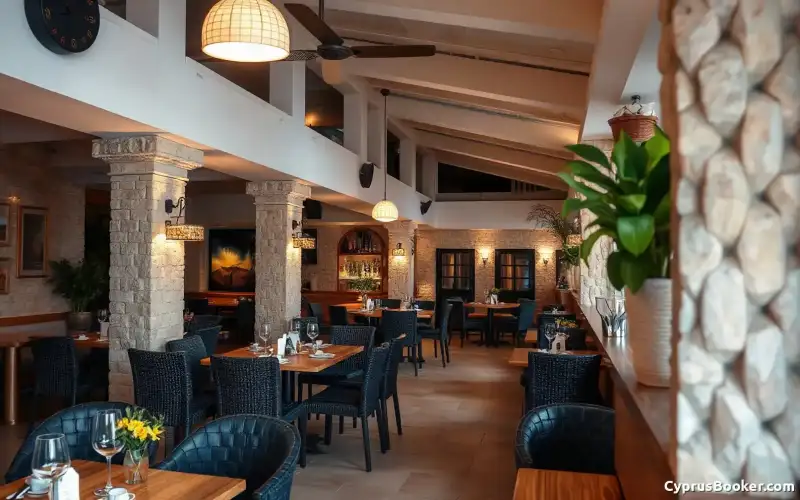
I still remember my first proper meze night in Ayia Napa back in 2011. I'd wandered into a family-run taverna near the old harbour expecting a quick souvlaki, and four hours later I was still there with a table of strangers, half a dozen empty plates between us, and absolutely no regrets. That's the thing about meze – it's not just food, it's an event. Yet I meet tourists all the time who've never experienced it, mainly because they don't know where to start or what the hell they're actually ordering.
This guide answers the questions I get asked most often about meze in Ayia Napa. Whether you're a first-timer or a seasoned diner wondering which taverna's worth your money in 2026, this should sort you out.
What Exactly Is Meze? And Why Should I Care?
Right, let's start with the basics. Meze (pronounced meh-zeh) isn't a single dish – it's a whole dining philosophy. Think of it as Cyprus's answer to Spanish tapas, except the portions are bigger, the pace is slower, and you'll leave feeling genuinely stuffed rather than still a bit peckish.
A traditional meze spread brings out 15 to 25 small plates to your table over the course of an evening. We're talking dips, grilled meats, seafood, cheese, vegetables, bread – the works. You don't order individual dishes; instead, the kitchen sends out whatever they've prepared that day, and you pick and choose as things arrive. It's communal, it's unpredictable, and it's absolutely brilliant if you like variety.
The reason tourists should care? Because meze represents genuine Cypriot hospitality. You're eating the way locals eat, sitting down with your mates for hours, proper conversation, no rushing. Plus, for the money, you get an insane amount of food. A full meze for two people typically runs £30–£50, and you'll be rolling out of there unable to move.
How Many Courses Does a Proper Meze Actually Have?
There's no fixed number – it depends on the restaurant and what they've got in the kitchen that day. But here's roughly what you'll experience at a decent taverna:
- First wave (cold dips and starters): Tzatziki, melitzanosalata (aubergine dip), feta cheese, olives, maybe some saganaki (fried cheese). Usually arrives within 5 minutes of ordering.
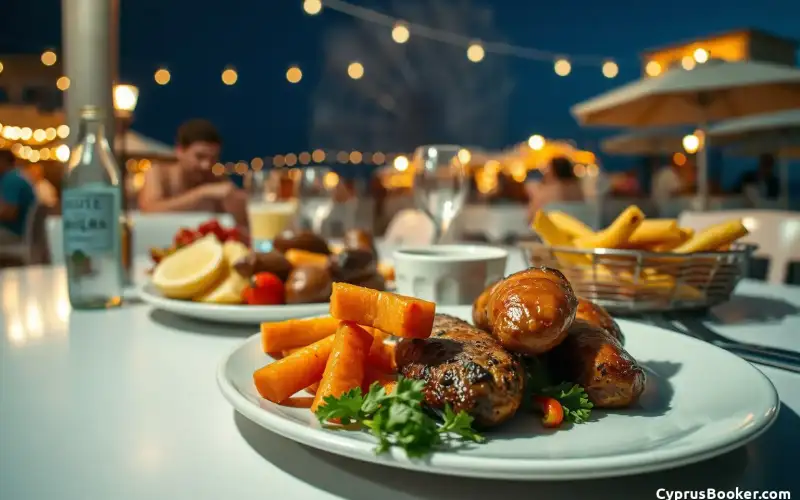
- Second wave (hot starters): Grilled halloumi, sheftalia (Cypriot sausage), maybe some kolokasi (taro root). These come out a few minutes later.
- Main wave (grilled meats and seafood): Lamb chops, chicken, pork, sometimes fish. This is where things get serious.
- Vegetable courses: Grilled tomatoes, peppers, courgettes. Often overlooked but genuinely delicious.
- Bread and final bits: Fresh bread appears throughout, and they'll usually finish with a final plate of something – maybe halloumi again, or grilled octopus if you're lucky.
Most places will keep bringing food until you tell them to stop or you physically cannot eat another bite. I've had mezes with 18 separate plates arrive, and I've had simpler ones with about 12. The quality matters more than the quantity, but at a good taverna, you get both.
What's the Average Price for Meze in Ayia Napa Right Now?
Prices have gone up a bit since I first started coming here, but meze is still exceptional value compared to what you'd pay for equivalent food anywhere else in Europe.
For 2026, expect to pay:
- Per person (full meze): £15–£25 at casual family tavernas, £25–£35 at mid-range spots, £35–£50+ at fancier places near the harbour.
- For two people sharing: £30–£60 is typical. You'll both be stuffed, and you'll still have change from a £50 note if you're at a proper local place.
- Drinks: Local wine (Cypriot red or white) runs £3–£8 per glass. Beer is about £2–£4. Coffee afterwards is 80p–£1.50.
The tourist-facing restaurants right on the main strip charge more – you might pay £40–£60 per person – but you're paying for the view and the convenience rather than better food. My advice? Head one street back from the seafront, and you'll find the same quality for 30% less.
Which Restaurants Serve the Best Meze in Ayia Napa?
I've eaten at most of the decent tavernas in Ayia Napa over the past 15 years, so here's my honest take on where to go:
For traditional, no-nonsense meze: Taverna Yiorgos (near the old harbour, family-run since the 1980s) is the real deal. The owner knows everyone, the portions are generous, and they don't mess about with fancy presentation. Expect to pay £18–£22 per person. They're open year-round, and they do a brilliant meze with lamb chops that'll change your life.
For seafood-heavy meze: Psaropoulos (literally five minutes' walk from the main beach) specializes in fish. Their meze includes grilled octopus, prawns, and fresh sea bass. It costs a bit more – around £28–£35 per person – but if you love seafood, it's worth every penny. The owner, Nikos, is chatty and genuinely interested in where you're from.
For value and atmosphere: Taverna Christos (tucked away in a side street near the municipal market) does meze for around £16–£20 per person, and honestly, it's one of the best spreads you'll get. The kitchen is visible from your table, and you can watch them grilling everything. It gets busy with locals, especially on weekends, which is always a good sign.
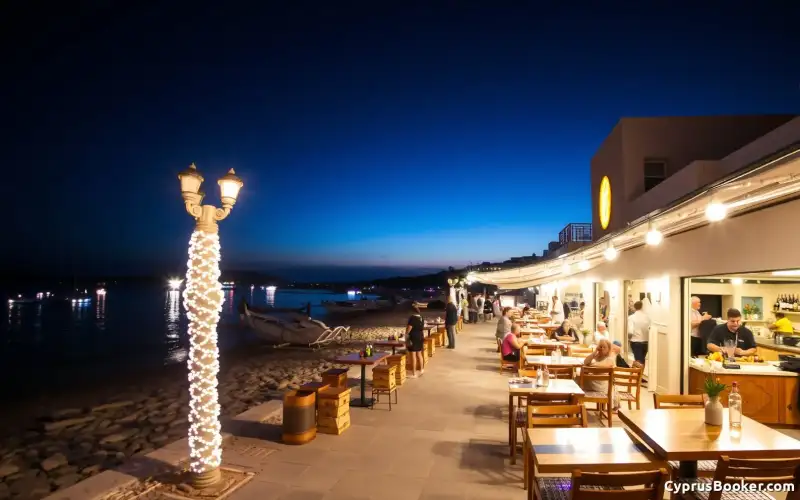
For something a bit fancier: Thalassa (harbour-front, modern décor) does a refined take on traditional meze. Prices are £35–£45 per person, but the presentation is slick and the ingredients are top-notch. It's less chaotic than a traditional taverna – better if you want a romantic dinner rather than a raucous night out.
For groups and families: Taverna Adonis (near the municipal gardens) has a big outdoor terrace and serves meze family-style. They're used to handling large groups, and they won't rush you. Around £20–£25 per person, and the vibe is relaxed.
What Should I Expect When I Arrive? Is There a Right Way to Order?
Here's where first-timers often get confused. You don't sit down with a menu and tick boxes. Instead, you tell the waiter you want meze, and they'll ask if you want it for one, two, or more people. That's literally it.
Some restaurants will ask if you have any dislikes or allergies, which is helpful. Tell them if you don't eat pork or if you're vegetarian – they'll adapt what they bring. But otherwise, just sit back and let the kitchen do its thing.
The food will arrive in waves over 45 minutes to two hours. This isn't a bug; it's a feature. You're meant to chat, drink wine, enjoy the pace. If you're in a rush, meze isn't for you – go grab a souvlaki instead.
Bread arrives early and keeps coming. Don't fill up on it. The dips are addictive, but pace yourself. By the time the grilled meats arrive, you should still have room.
One thing I always do: order a bottle of local wine to share rather than individual glasses. It's cheaper, it tastes better (you get to try both red and white), and it sets the right tone for a proper evening.
What's the Difference Between Meze and À La Carte? Should I Ever Order À La Carte?
À la carte means you order individual dishes – a plate of saganaki, a souvlaki, a fish fillet, whatever. Meze is the set experience.
À la carte is fine if you're popping in for a quick lunch or if you know exactly what you want. But if you've got an evening free and you want the full Cypriot experience, meze wins every time. You get more variety, better value, and you're eating the way locals eat.
That said, some restaurants do a hybrid – they'll offer a
Comments (0 comments)
No comments yet — be the first!